Fish & Shrimp Diseases
Common illnesses, symptoms, quarantine procedures, mortality rates, and treatments.
🐟 Fish Diseases
🔗 Useful Links
- How to Effectively Identify and Treat Common Diseases in Your Aquarium Fish
- Common Betta Fish Diseases
- Fish Diseases - Aquarium Science
- Fish Diseases Symptoms - Aquarium Science
- Fish Diseases Treatment - Aquarium Science
- Fish Diseases - FishLab
- Fish Diseases - Aquarium Coop
- Fish Care - Aquarium Industries
- Fish Diseases - Advanced Aquarist
- Diseases - The Shrimp Farm
- 🦐 Shrimp Diseases - The Shrimp Farm
- 🦐 Shrimp Diseases and Parasites - Aquarium Breeder
- 🦐 7 Common Diseases & Health Issues in Freshwater Shrimp - Shrimpy Business
- 🦐 Ellobiopsidae or Cladogonium - Aquarium Breeder
- 🦐 Shrimp Diseases and Diagnosis - SKFAquatics
- 🦐 Understanding Scutariella Japonica in shrimp - Superior Shrimp Aquatics
- 🦐 Scutariella Japonica (Nose Worms) in Shrimp - The Shrimp Farm
- 🦐 Common Shrimp Problems - Shrimp Corner
- 🦐 Ellobiopsidae / Cladogonium (Green Fungus) in Shrimp - The Shrimp Farm
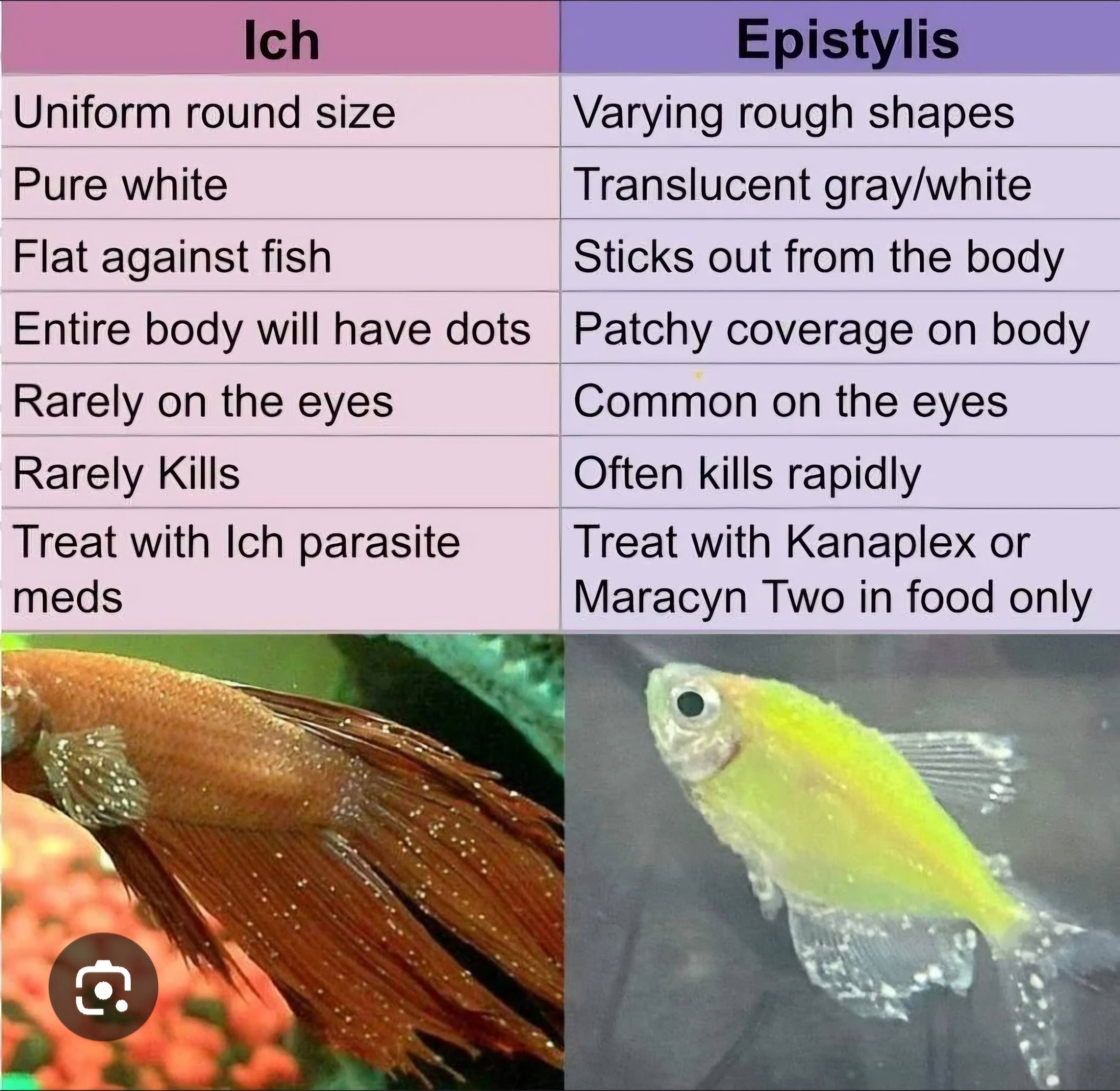
Comparison: Ich vs. Epistylis
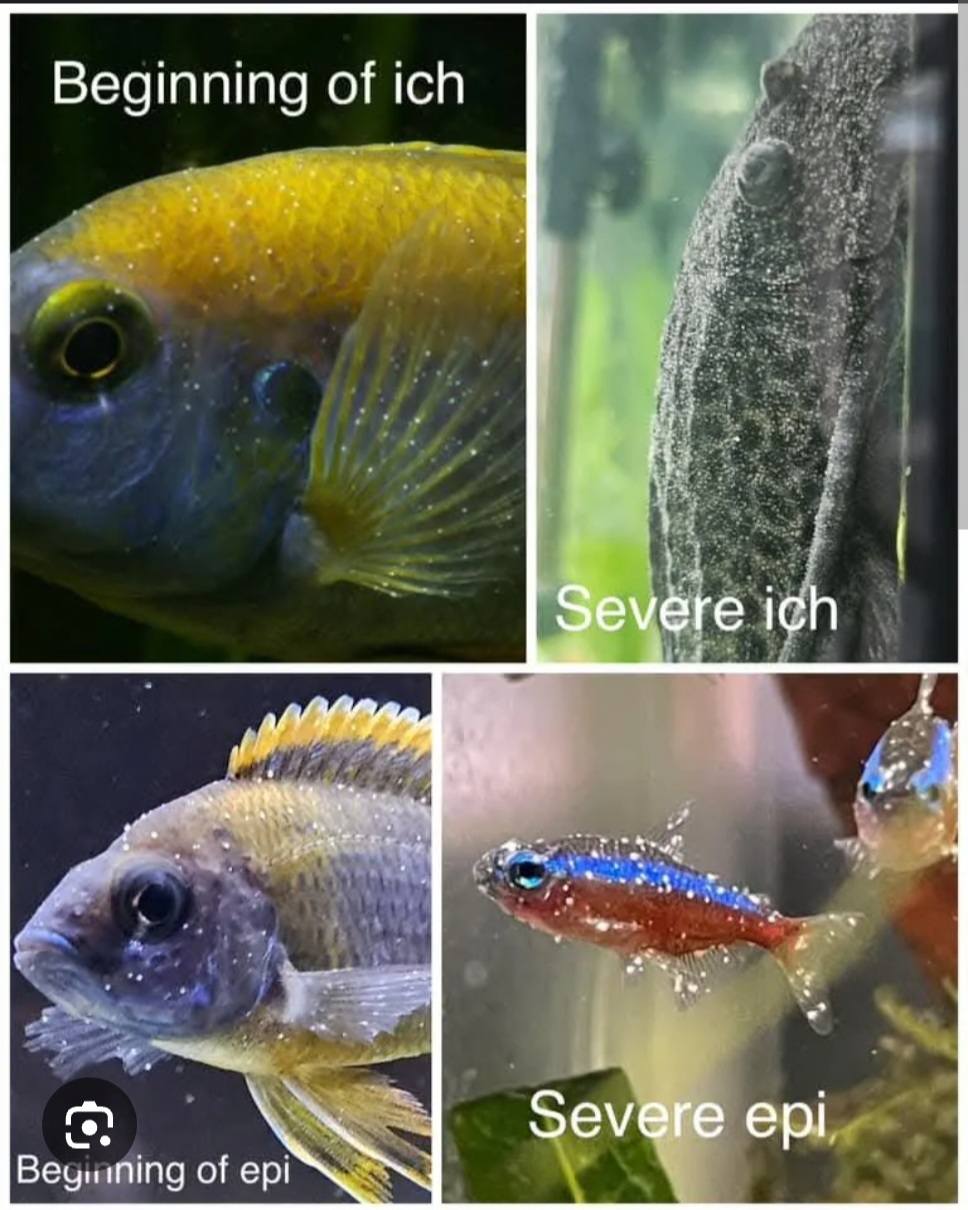
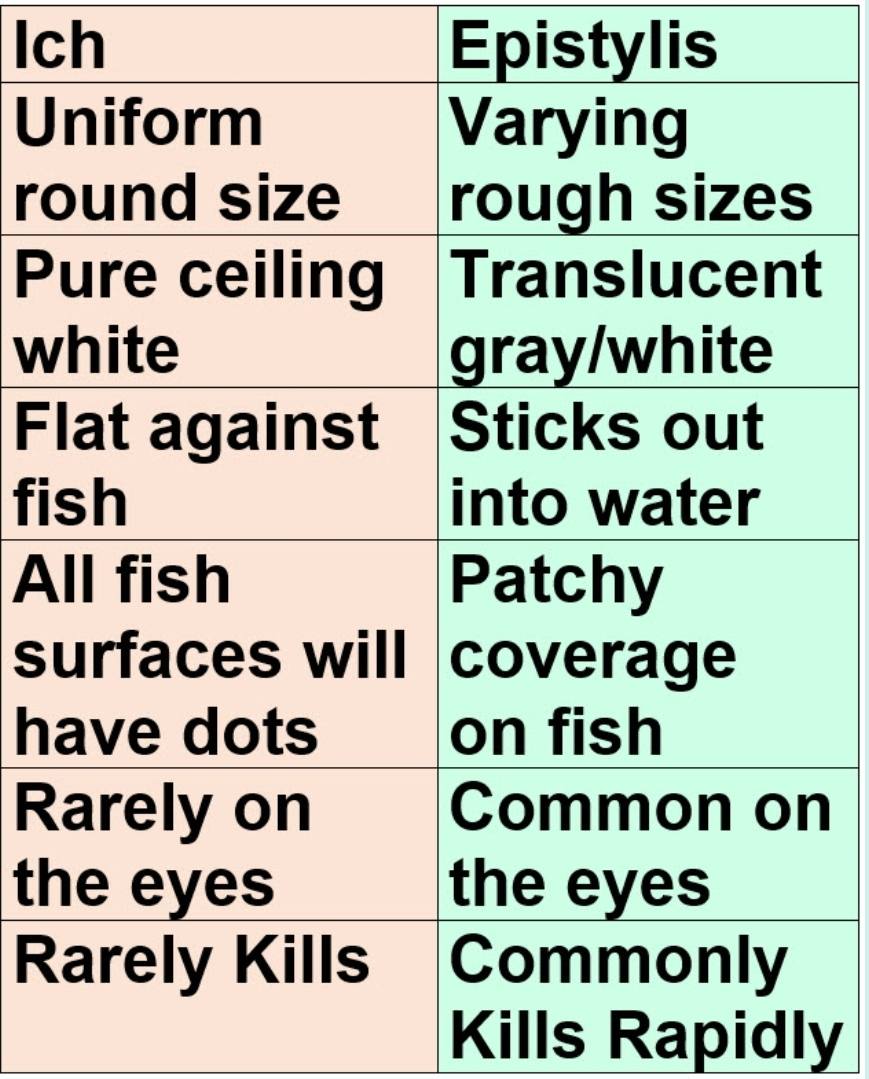
Comparison: Fin rot vs Fin nipping
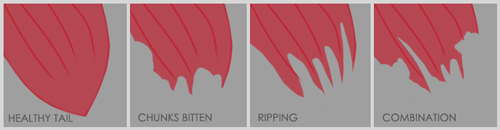
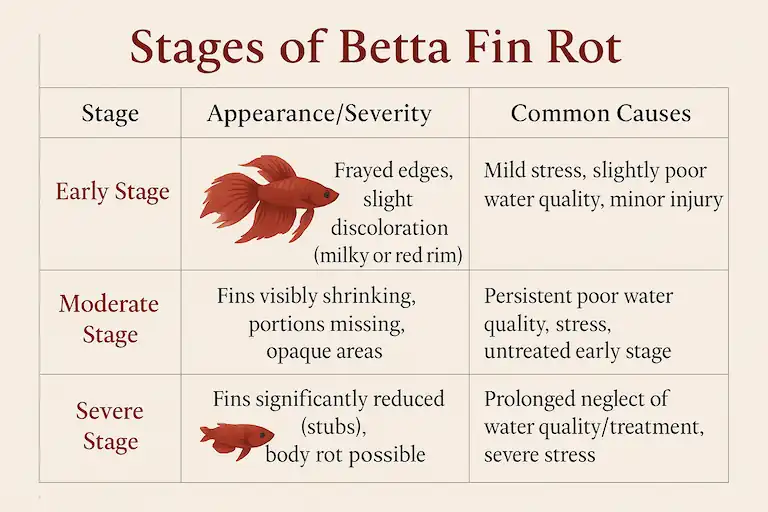
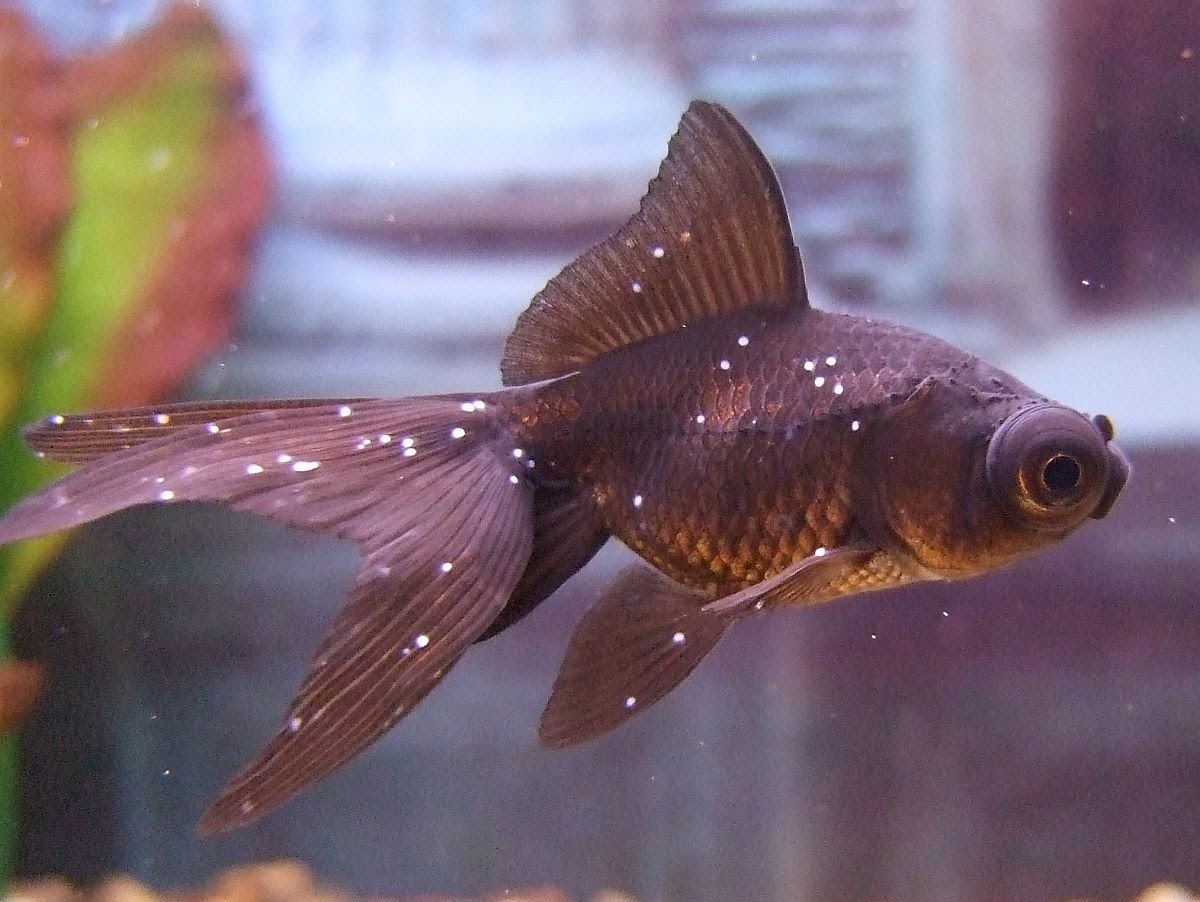
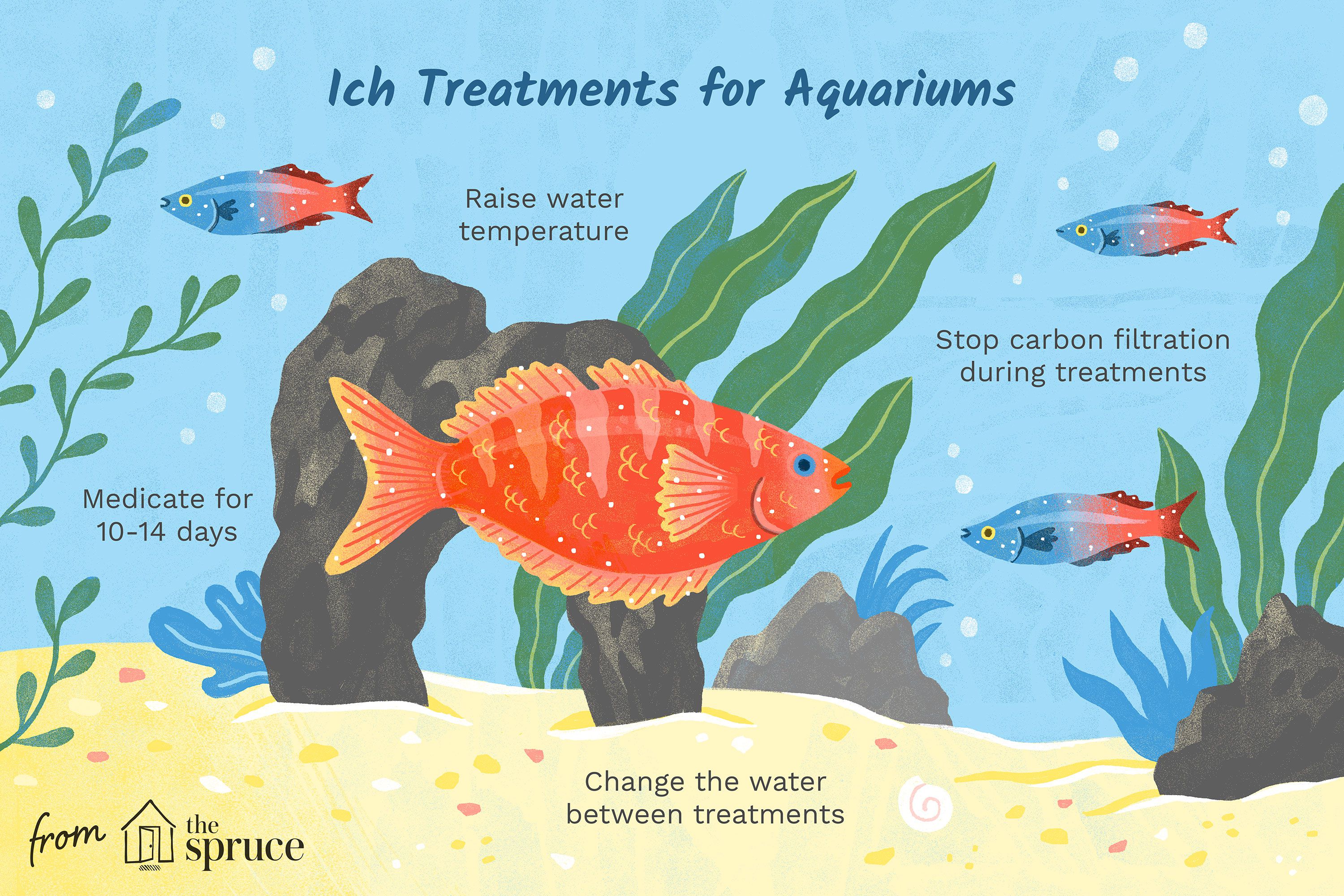
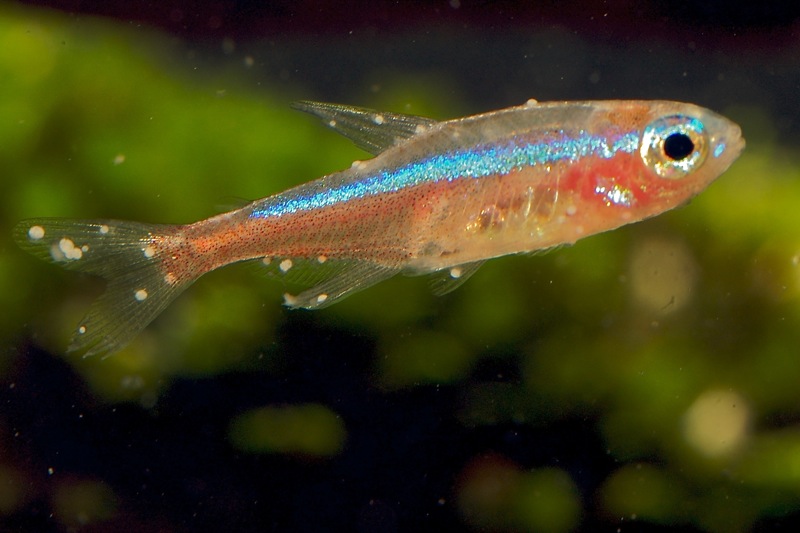
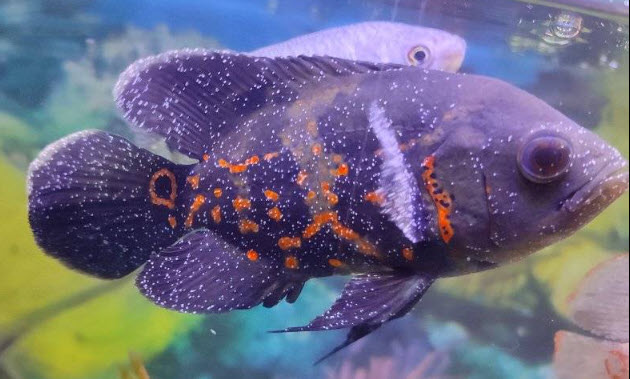
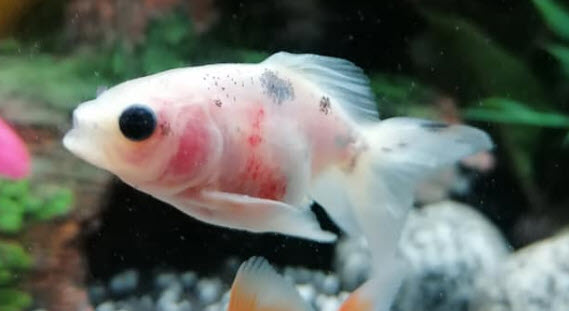
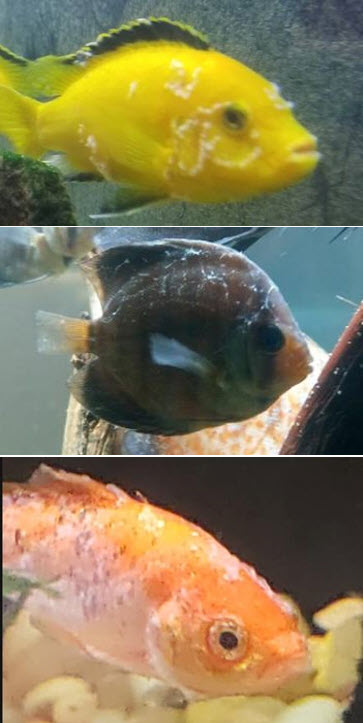
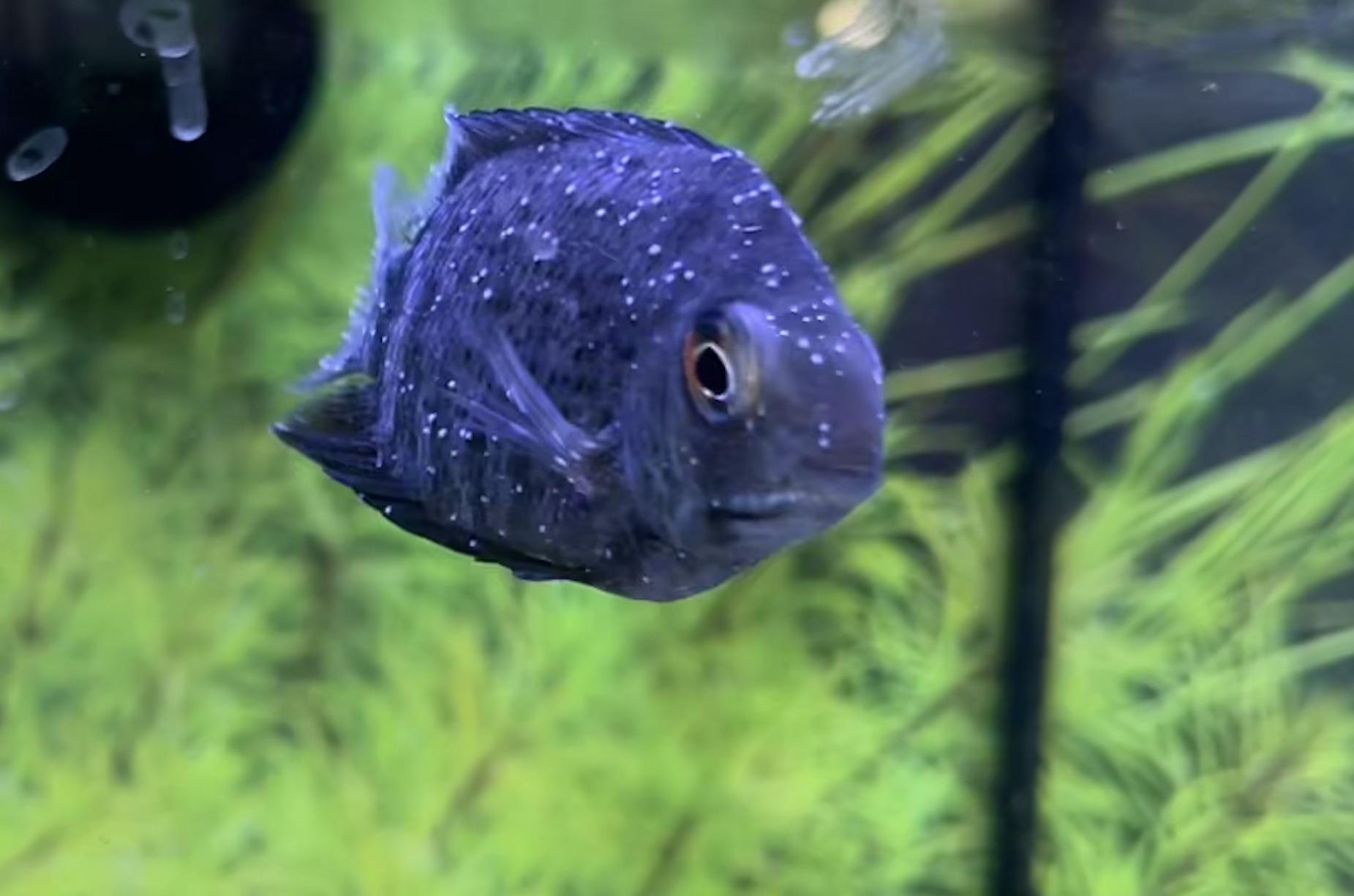
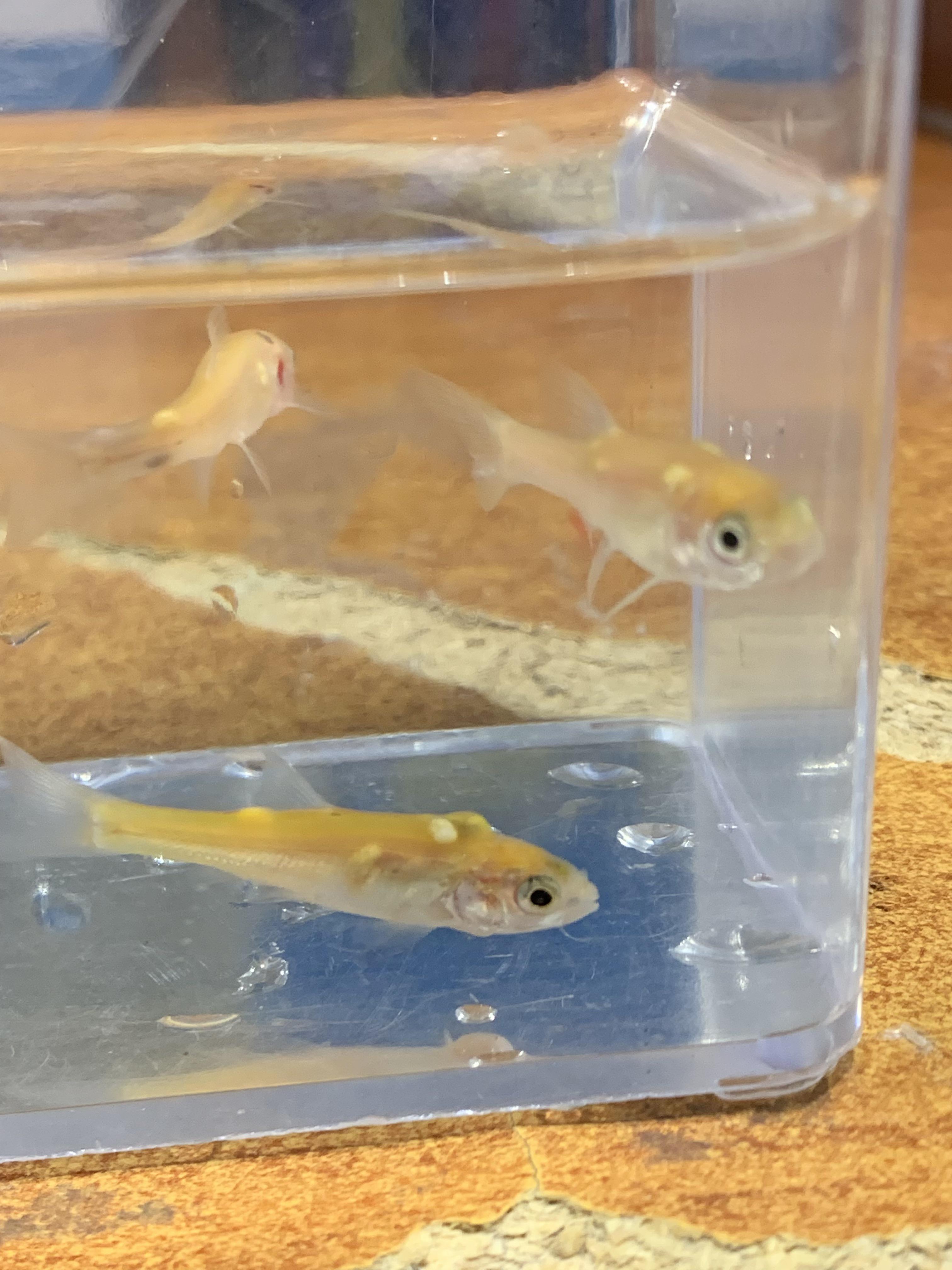
Ich / White Spot
White parasite spots on body and fins.
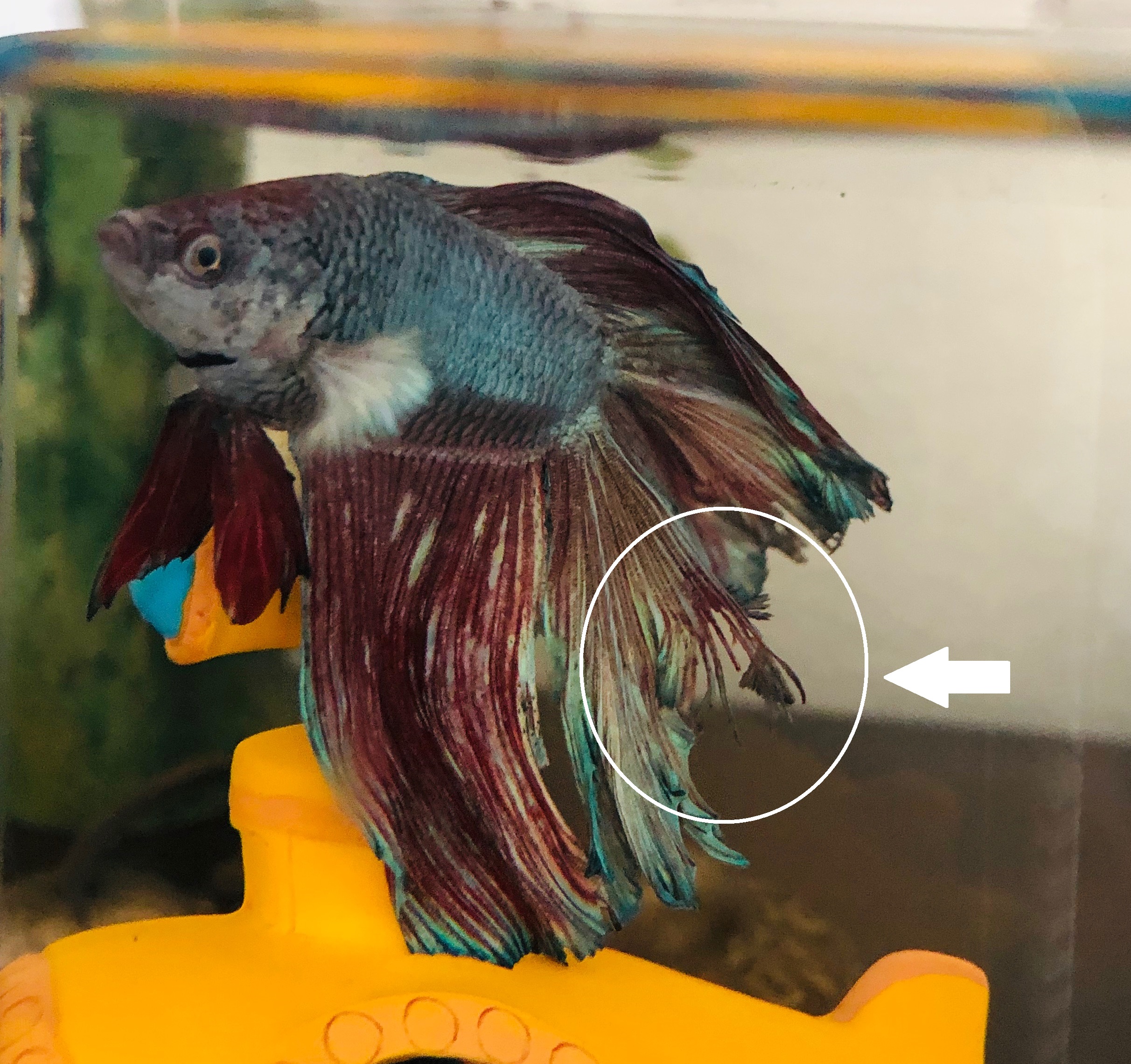
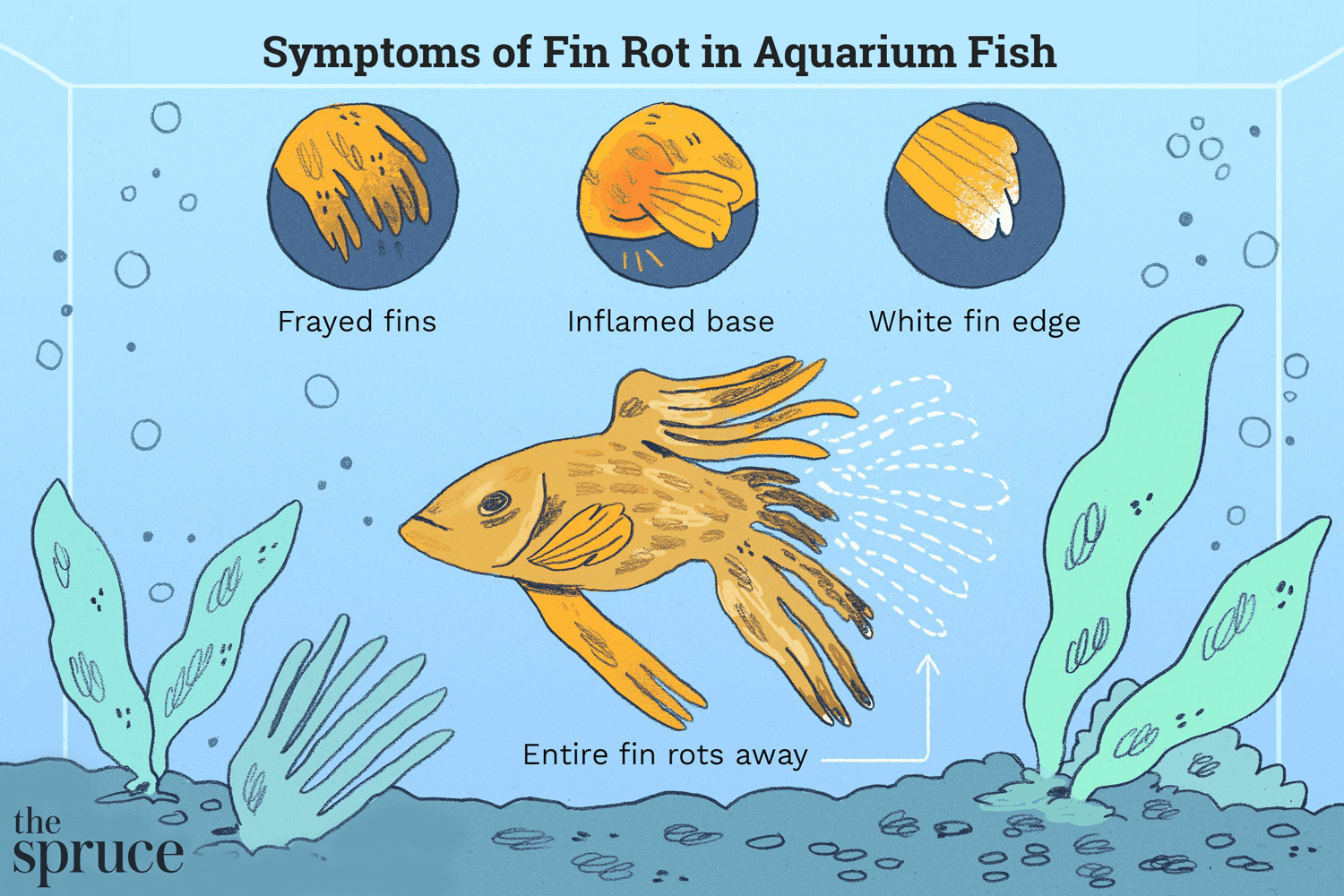
Fin Rot
Bacterial infection causing damaged fins.
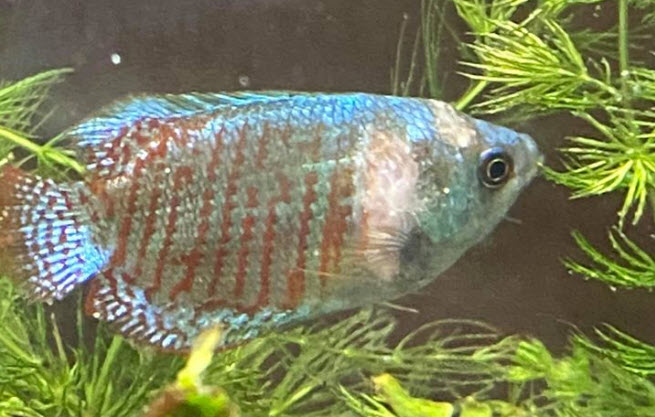
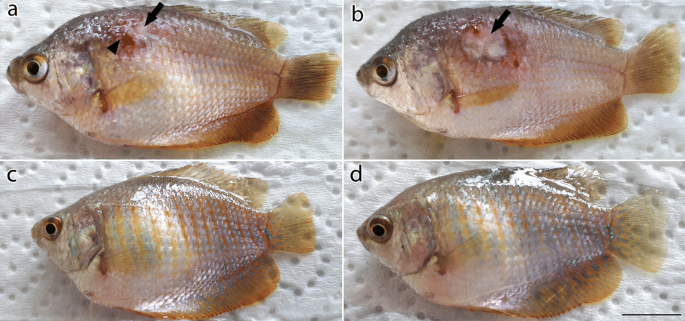
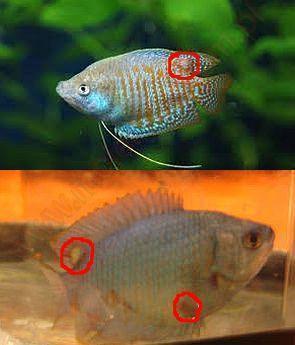
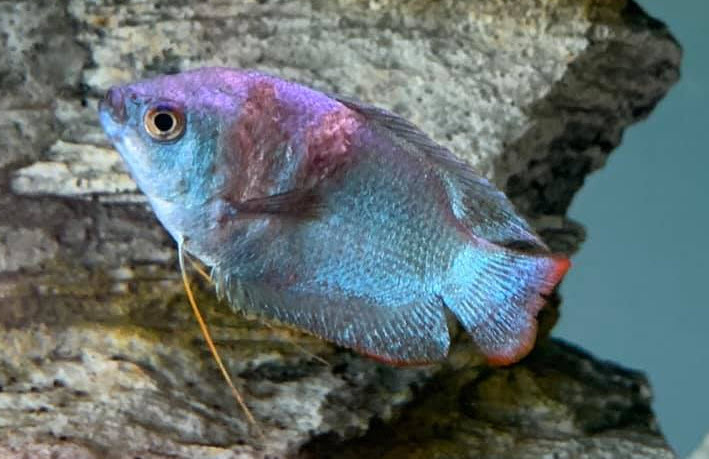
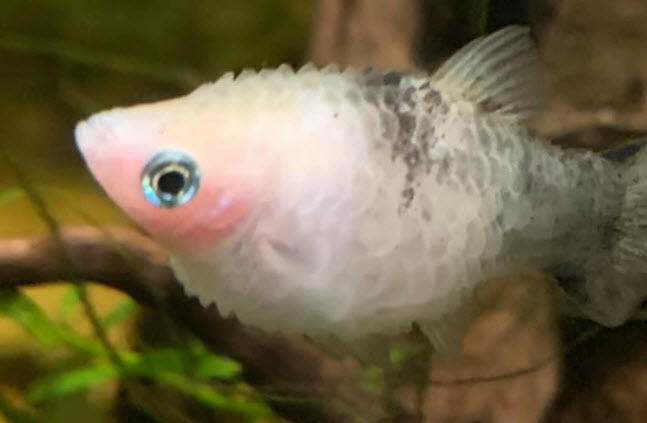
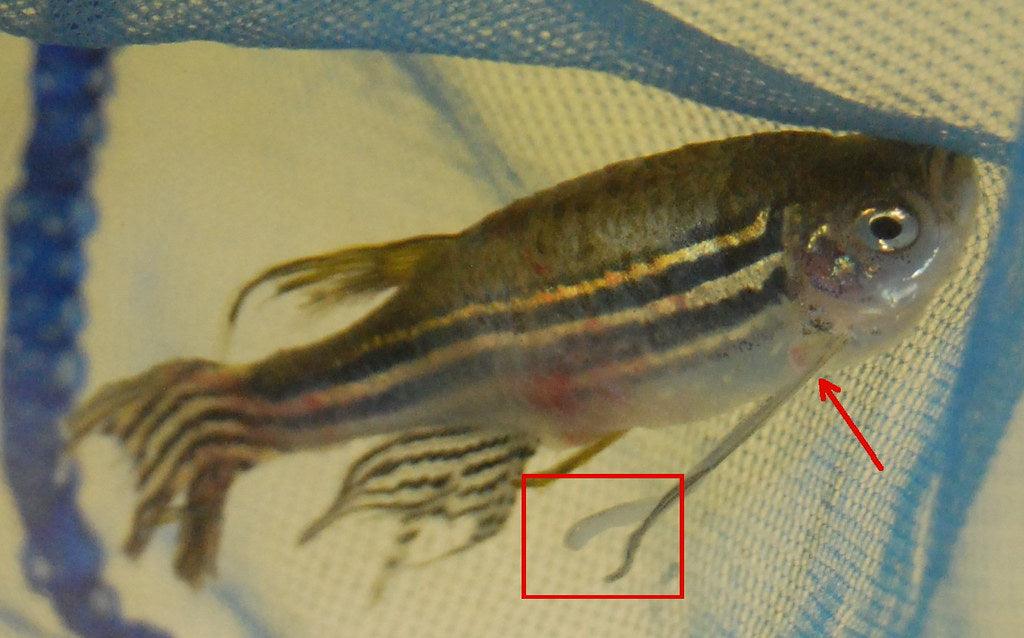
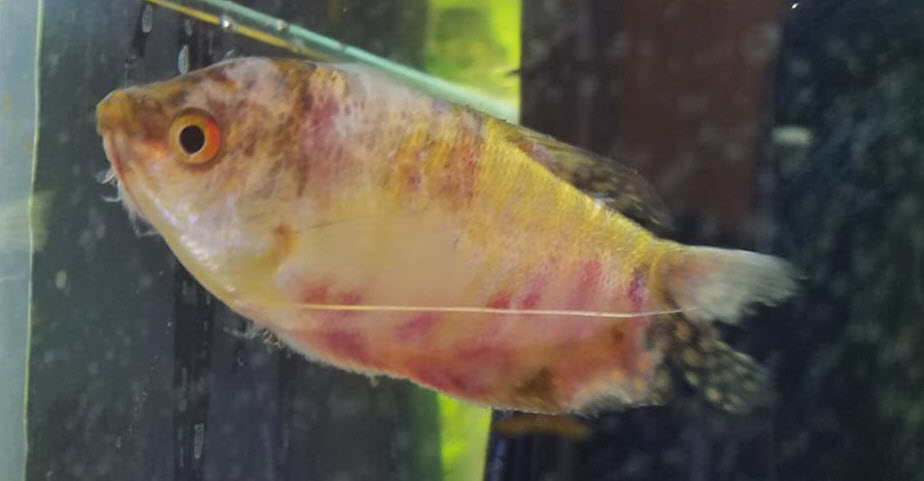
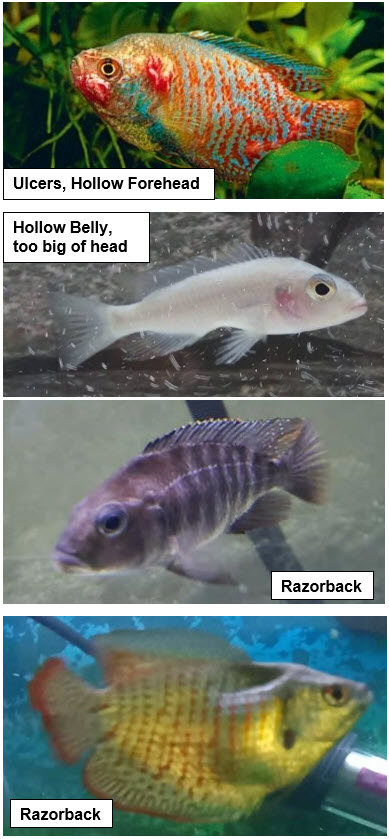
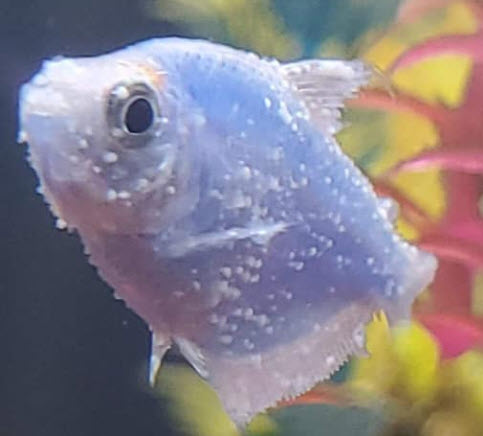
Iridovirus
Highly contagious viral disease affecting fish and shrimp. Mostly caused by poor genetics with Dwarf Gouramis.
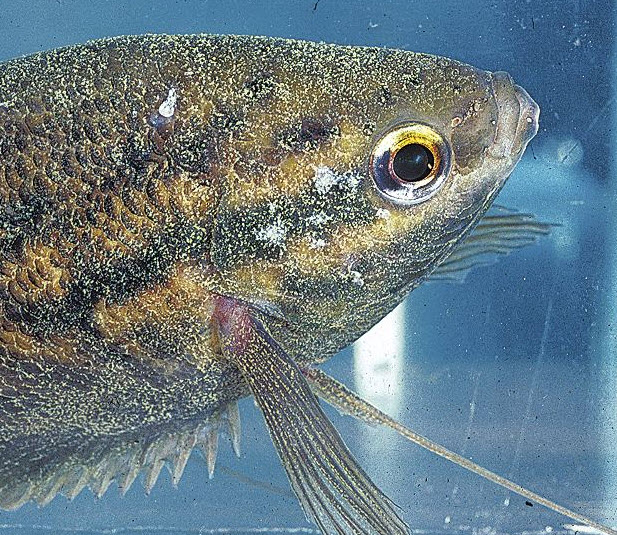
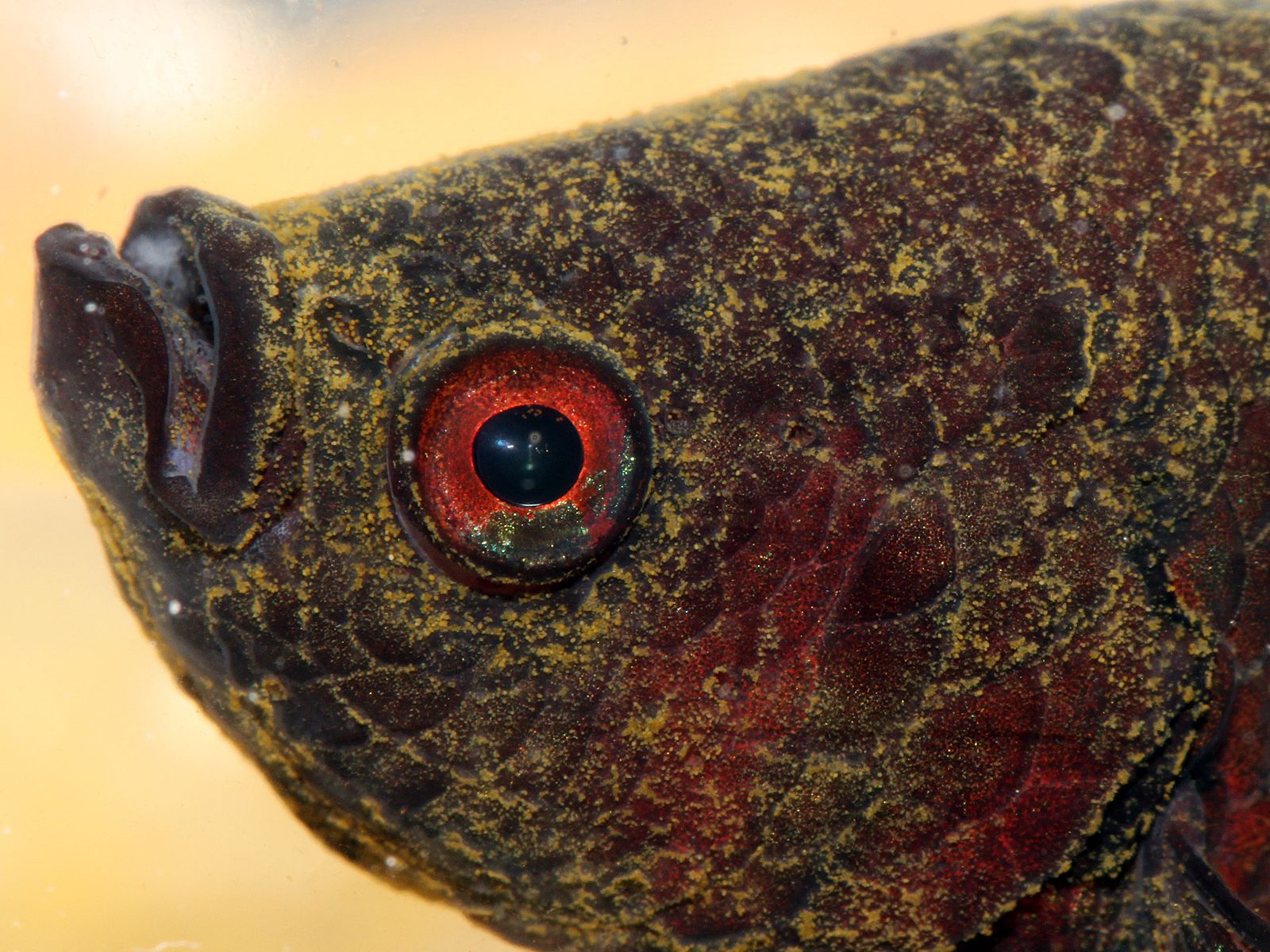
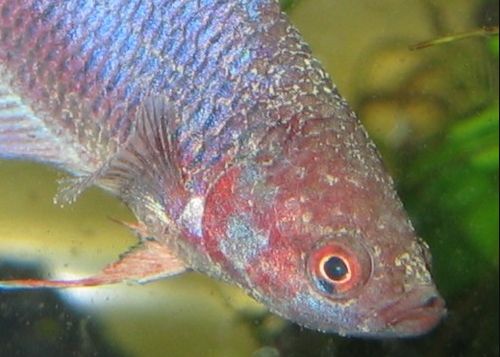
Velvet Disease / Rust Disease / Gold Disease
Gold dust-like parasitic infection affecting fish skin and gills.
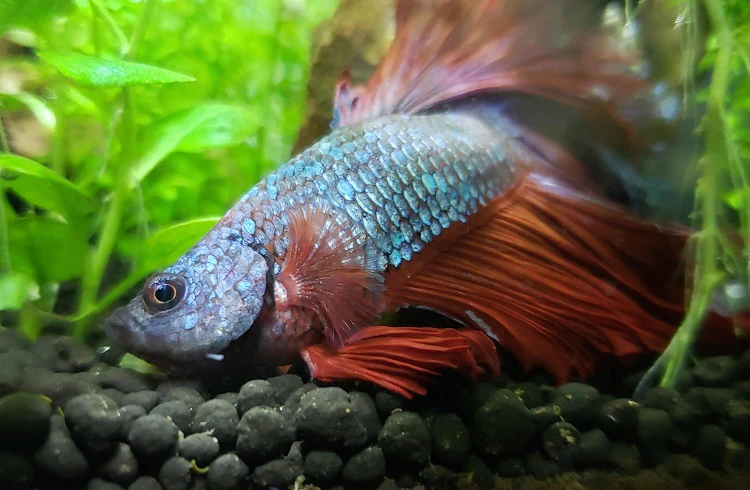
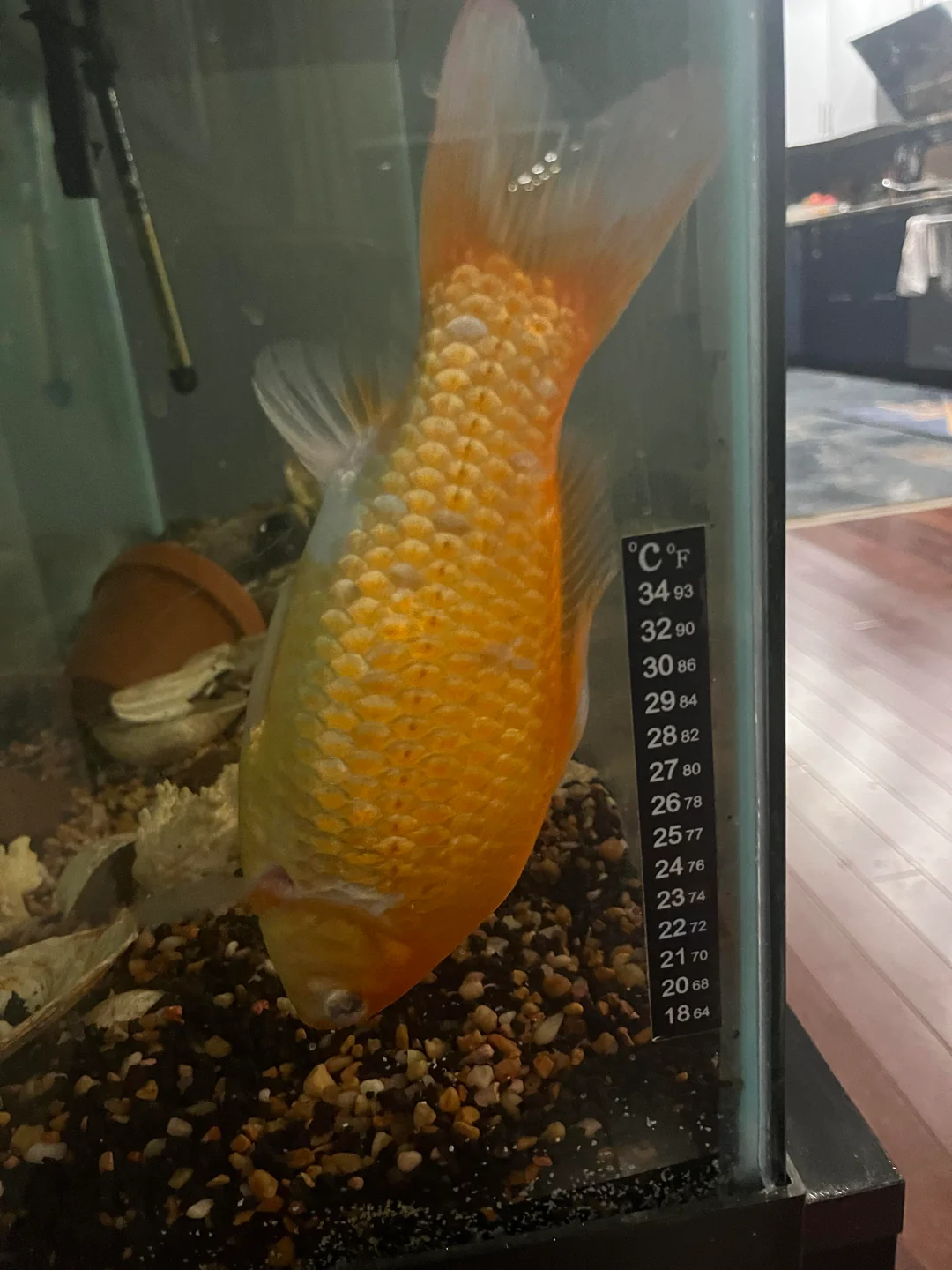
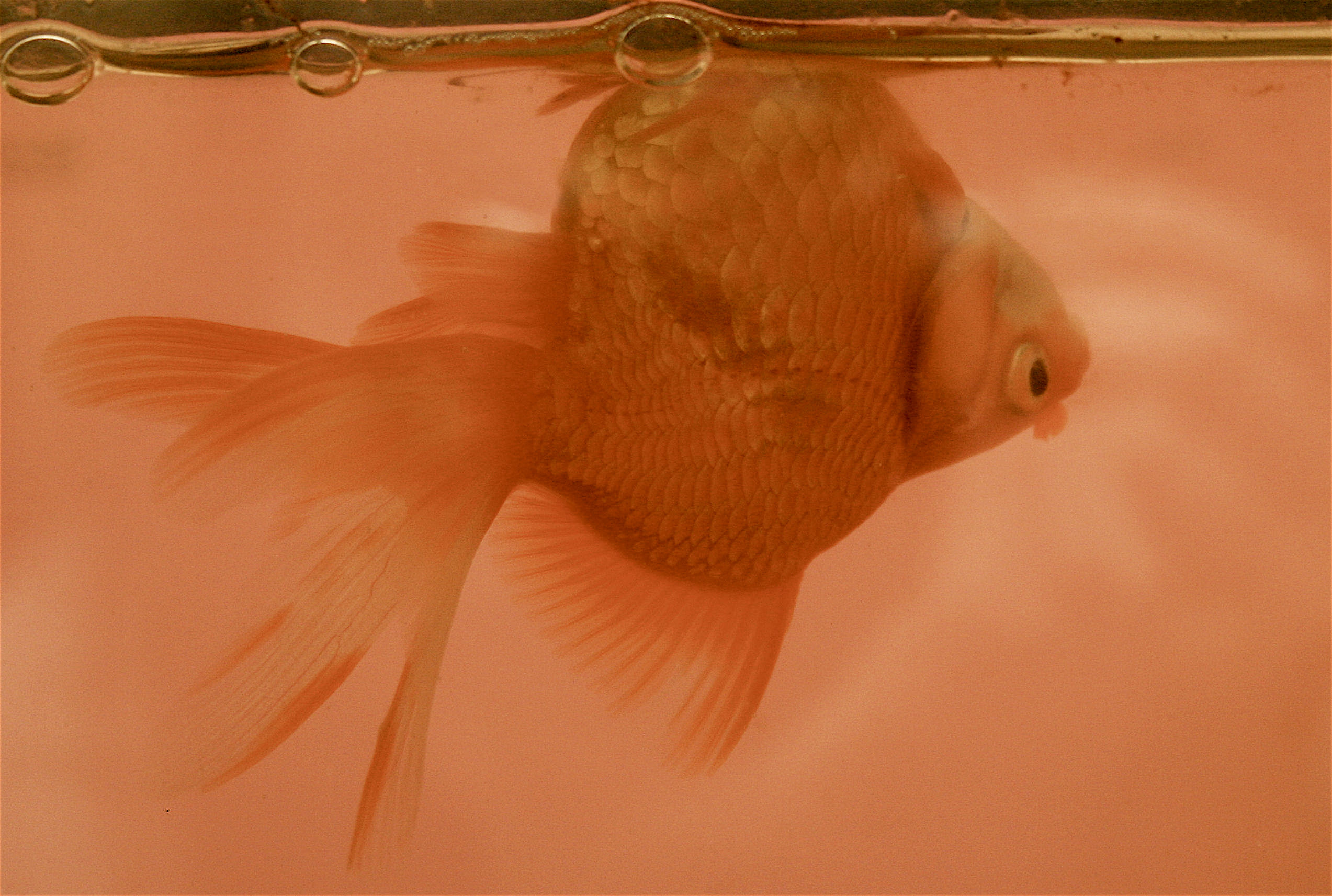
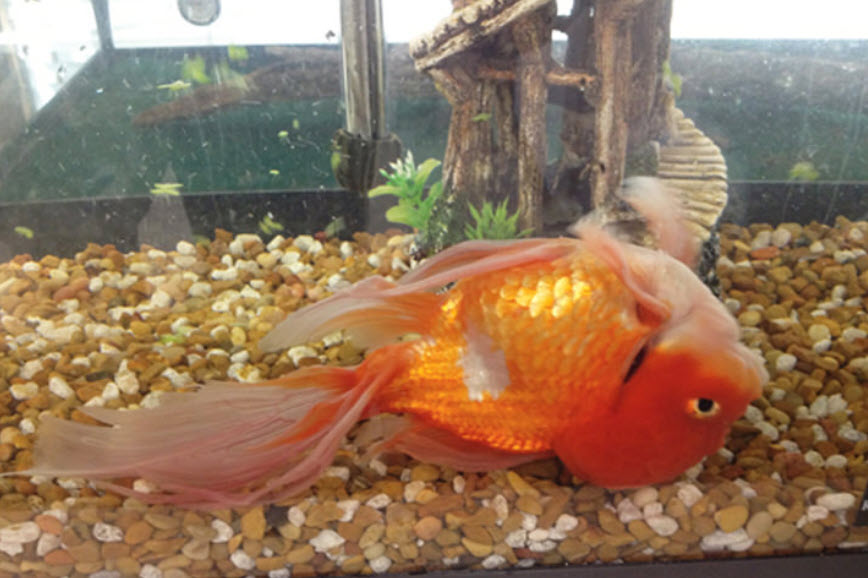
Swim Bladder Disease
Buoyancy disorder causing floating, sinking, or upside-down swimming. Mostly affects fancy goldfish and other cyprinids.
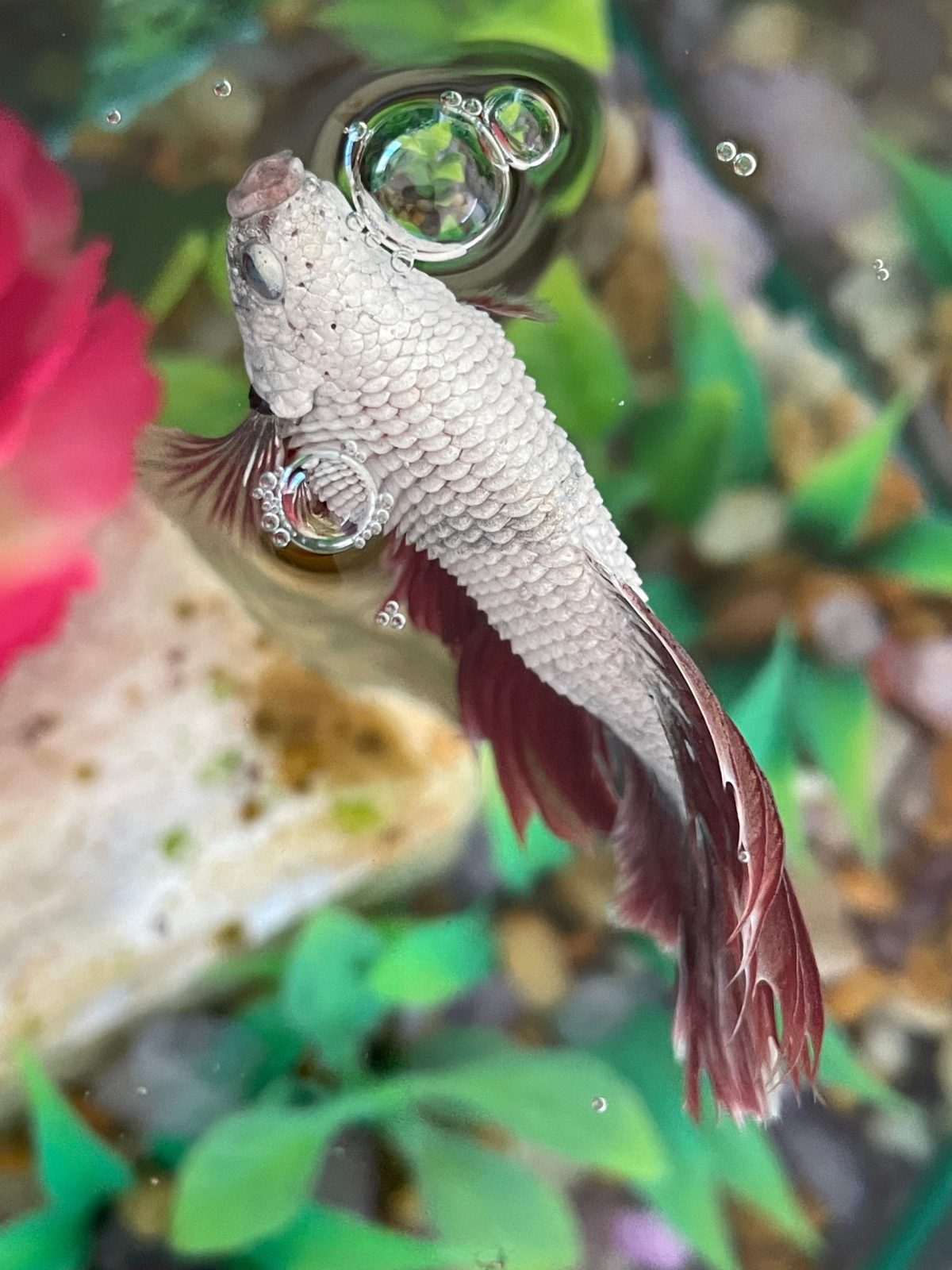
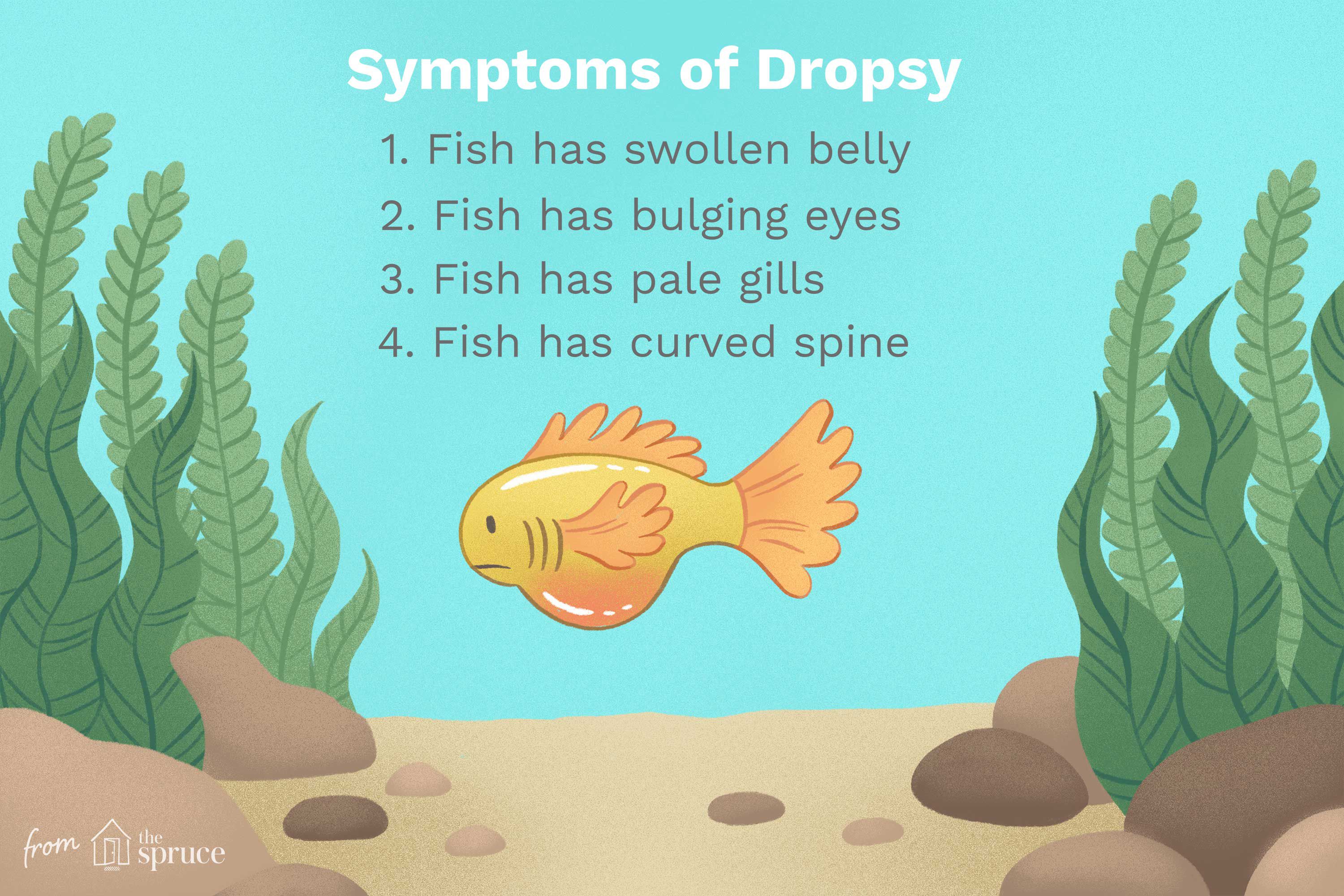
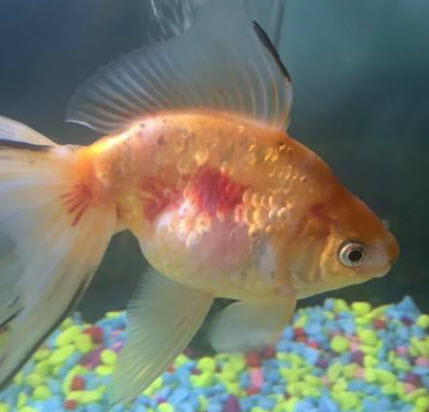
Dropsy
Severe internal swelling causing pinecone-like scales.
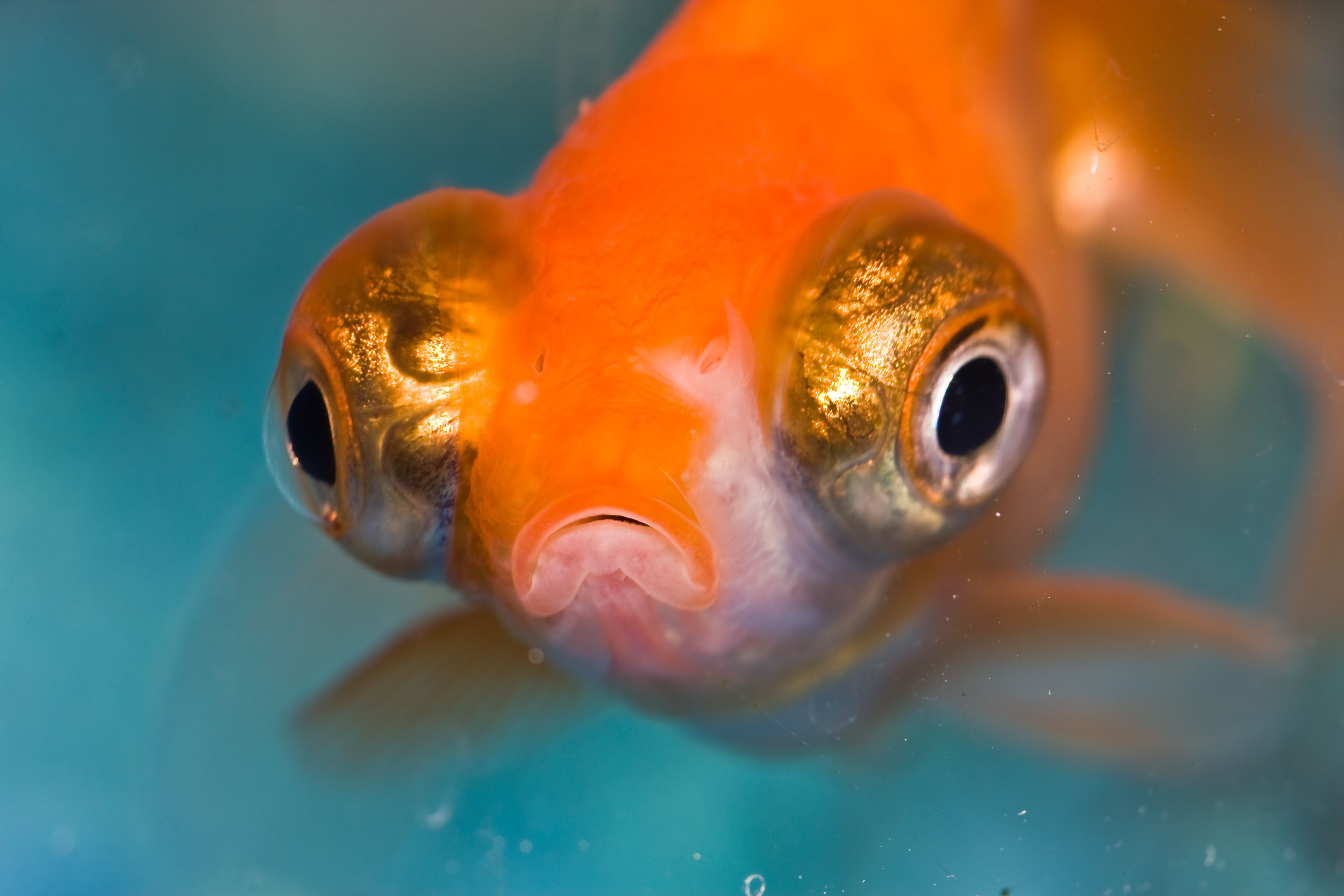
Popeye
Bulging eyes caused by infection or injury.
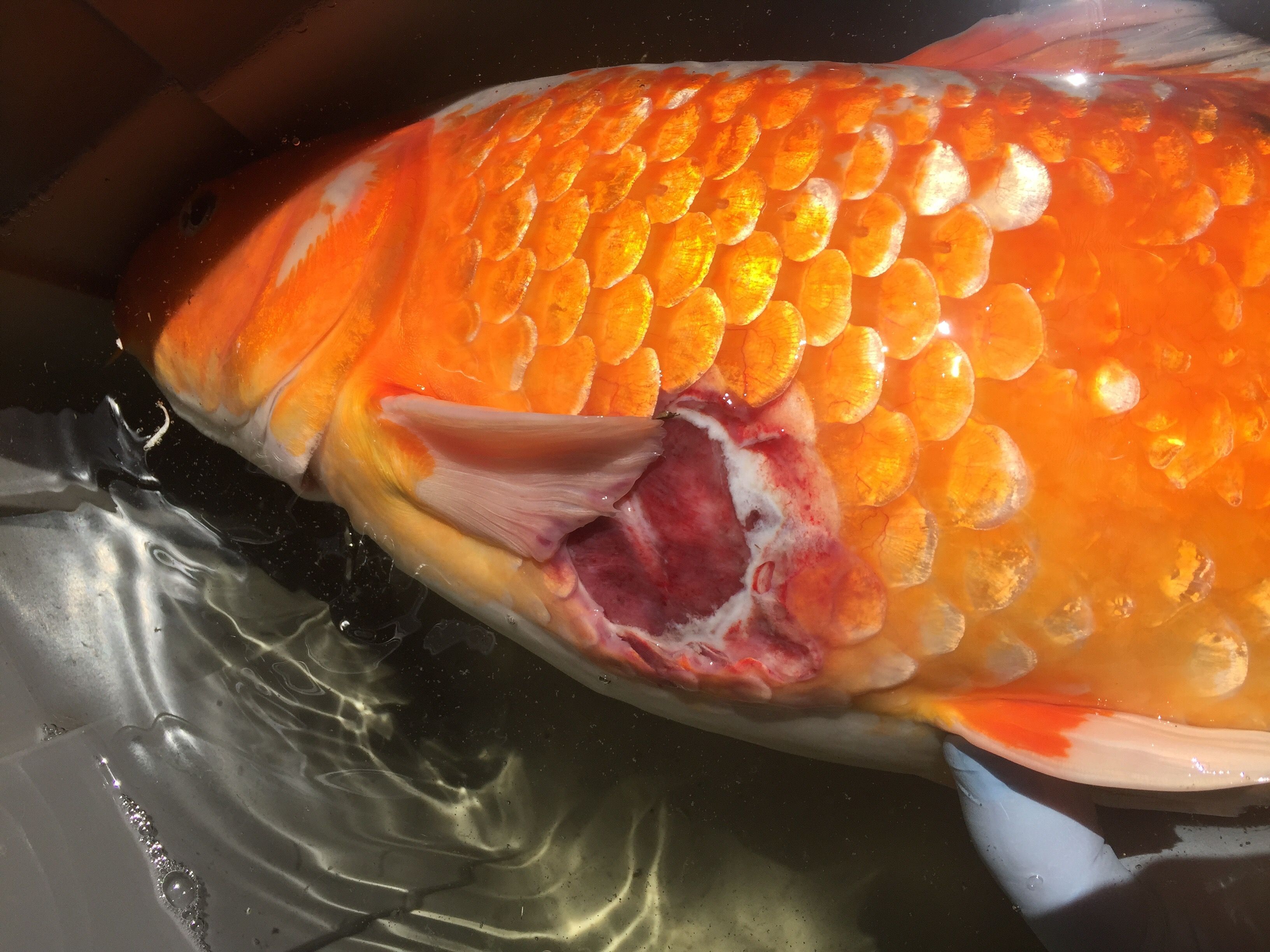
Columnaris
Fast-spreading bacterial infection also called cotton mouth.
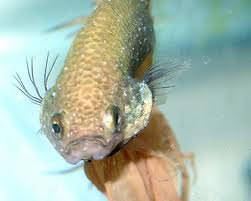
Gill Flukes
Microscopic parasites damaging fish gills.
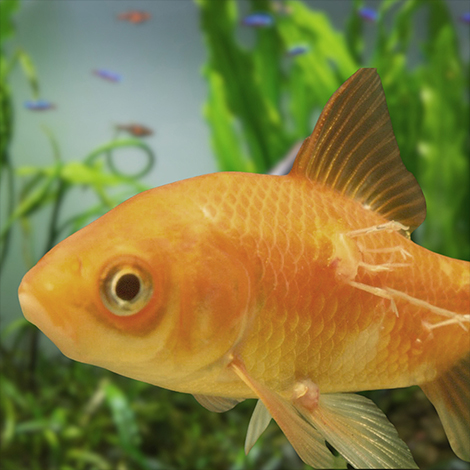
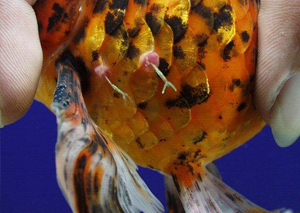
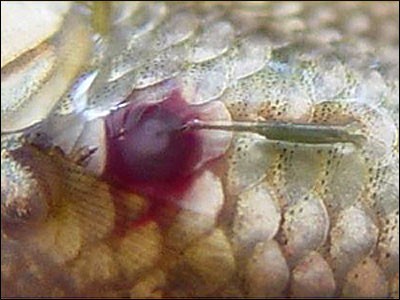
Anchor Worms
Visible parasitic crustaceans embedded in fish skin.
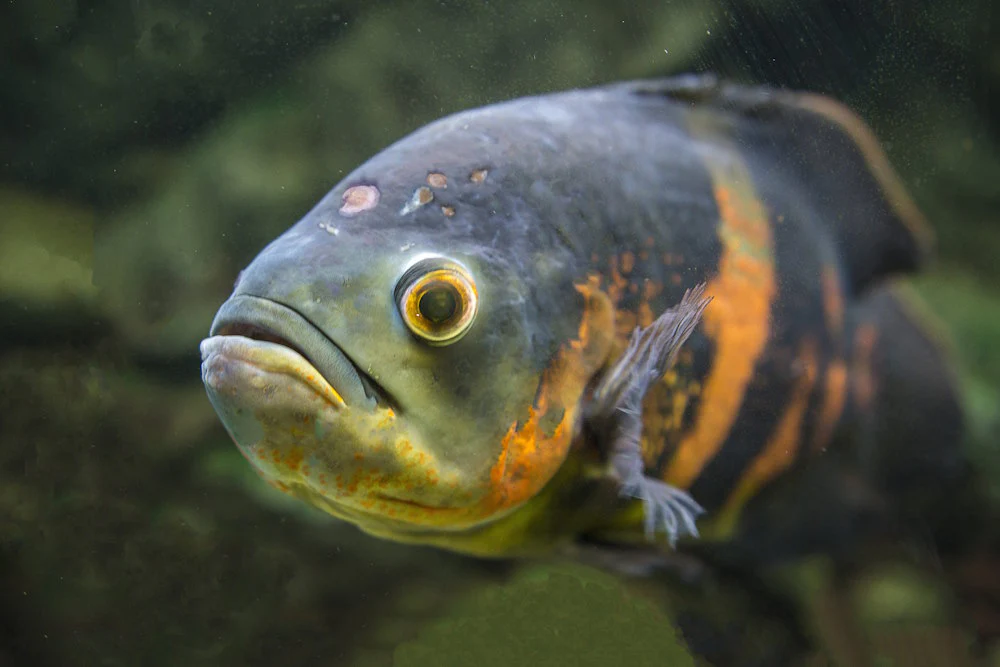
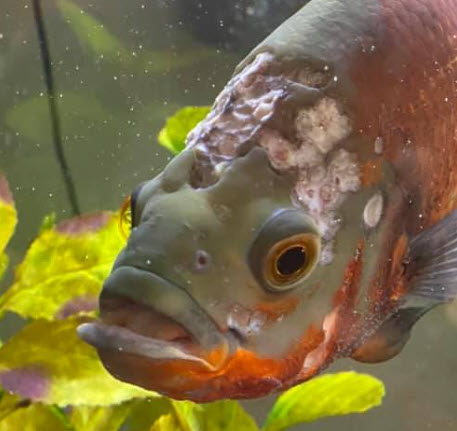
Hole in the Head (HLLE)
Erosive disease affecting head and lateral line tissue.
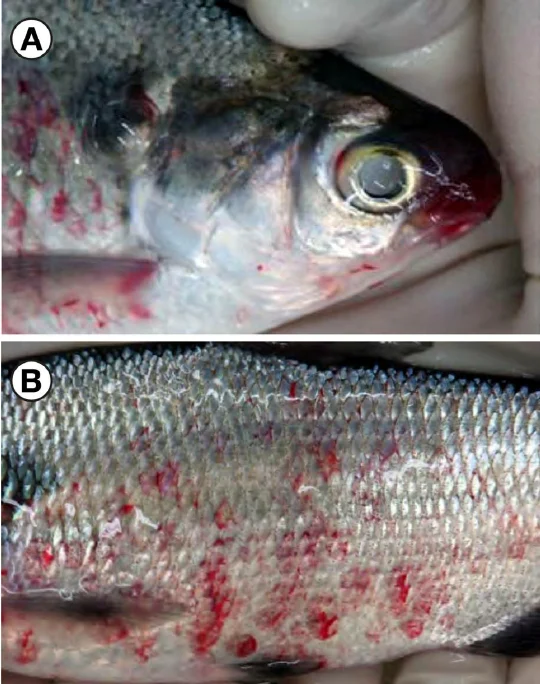
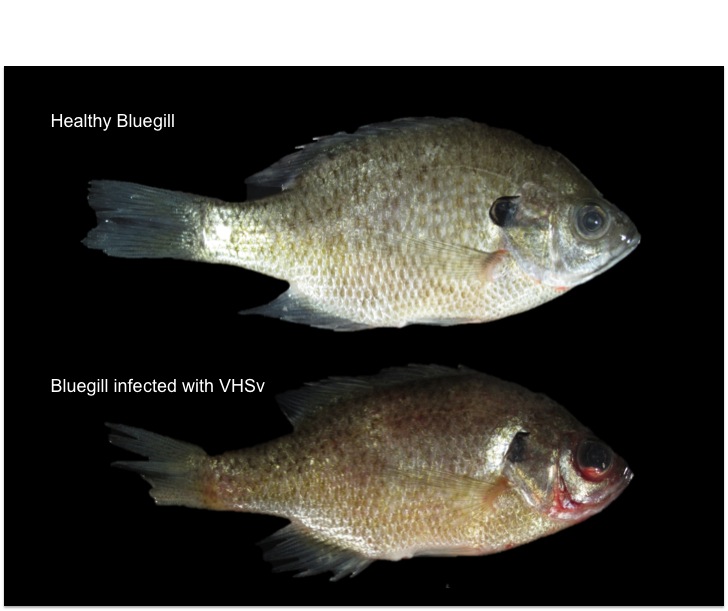
Hemorrhagic Septicemia
Serious bacterial or viral infection causing bleeding.
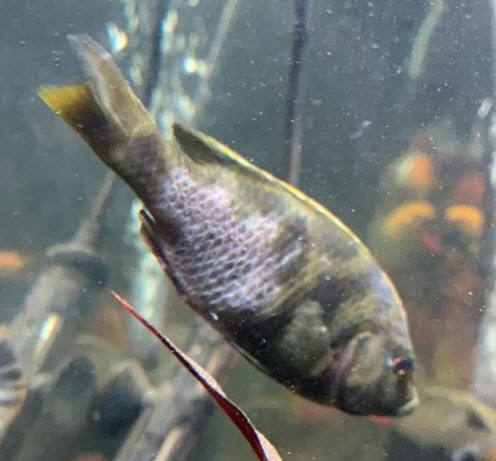
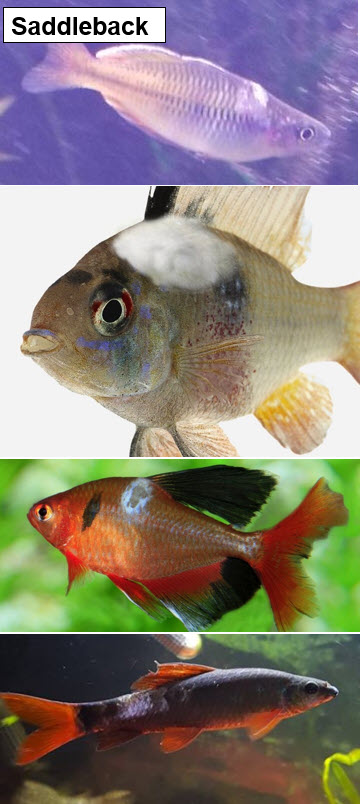
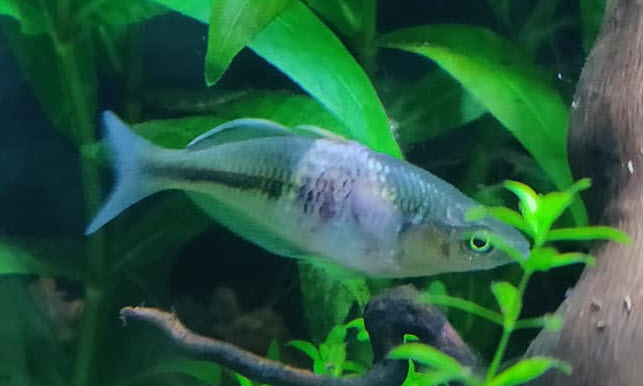
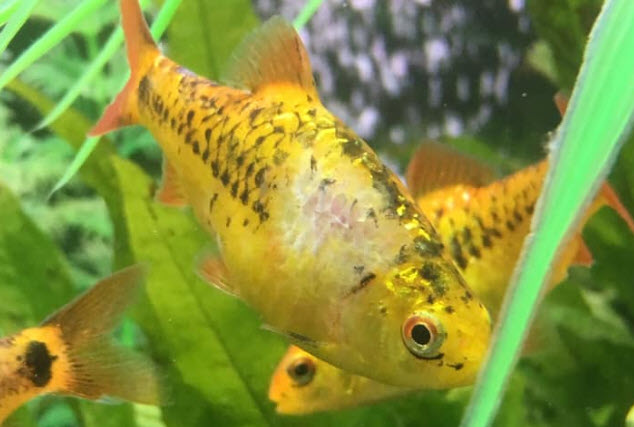
Saddleback Disease
Bacterial infection creating pale saddle-shaped lesions on the back.
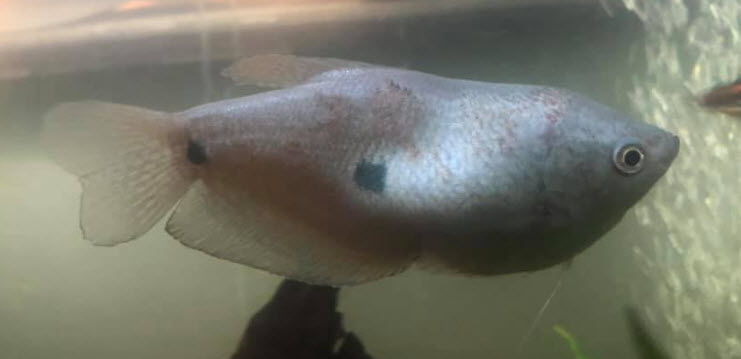
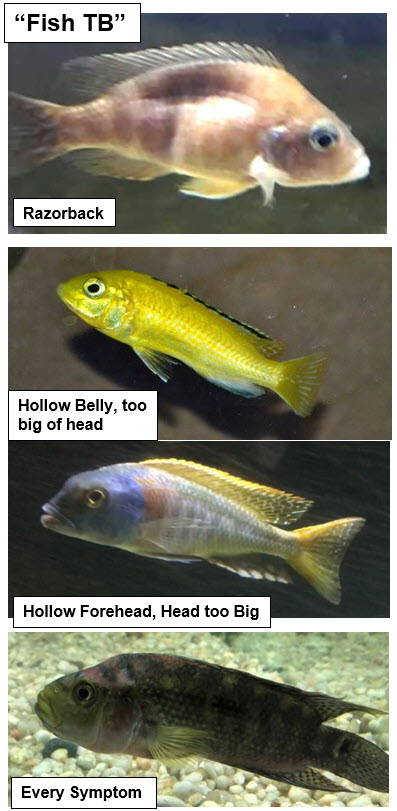
Fish Tuberculosis (TB)
A chronic, wasting disease that can also infect humans.
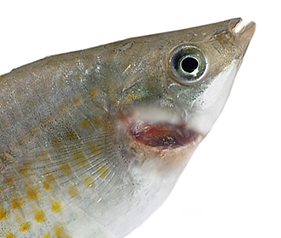
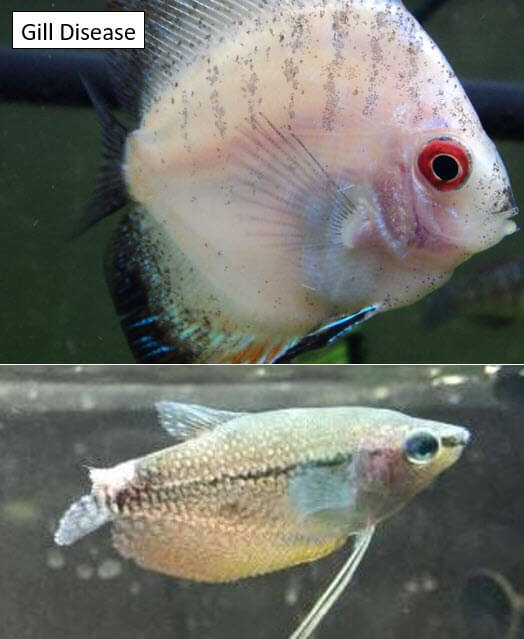
Gill Rot
Aggressive fungal infection damaging fish gills and respiration.
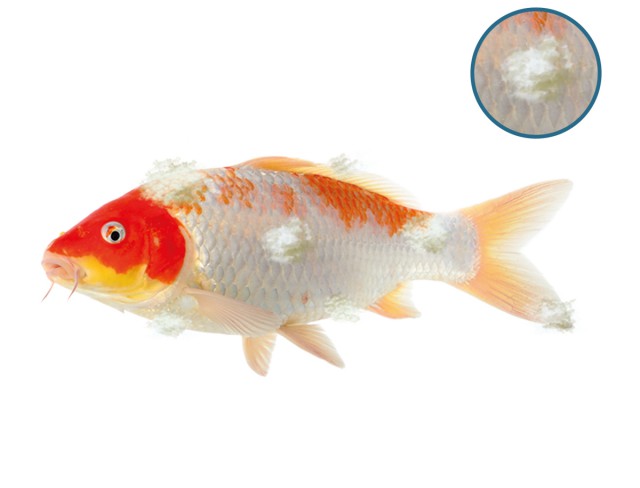
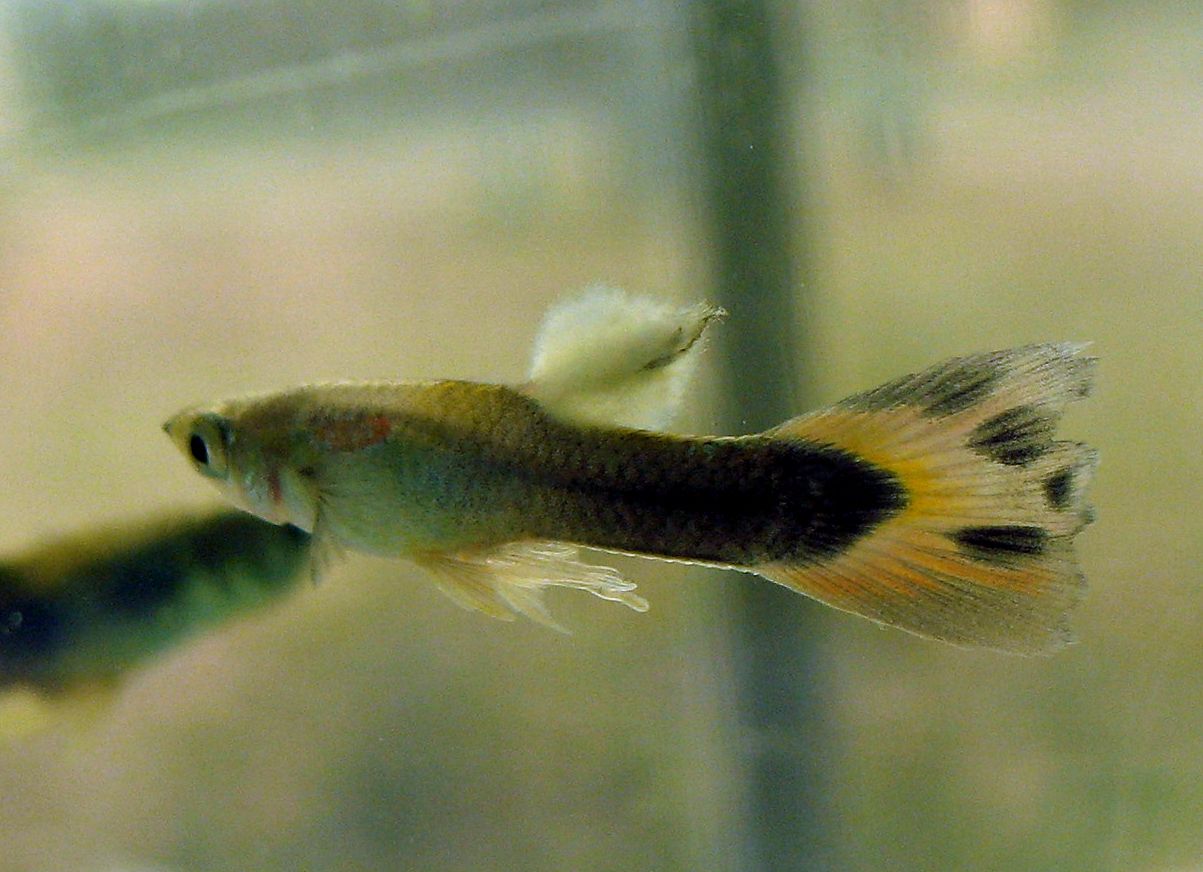
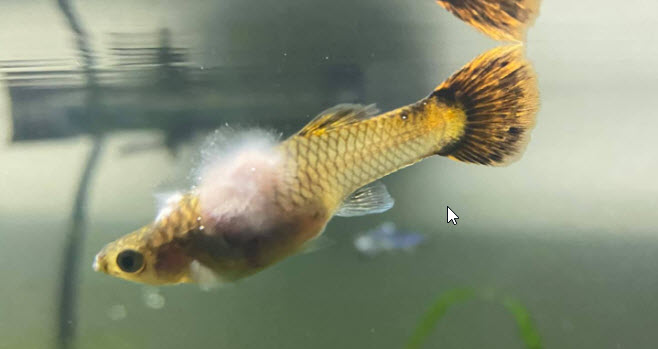
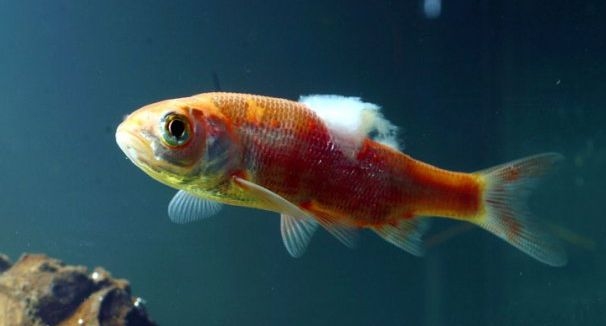
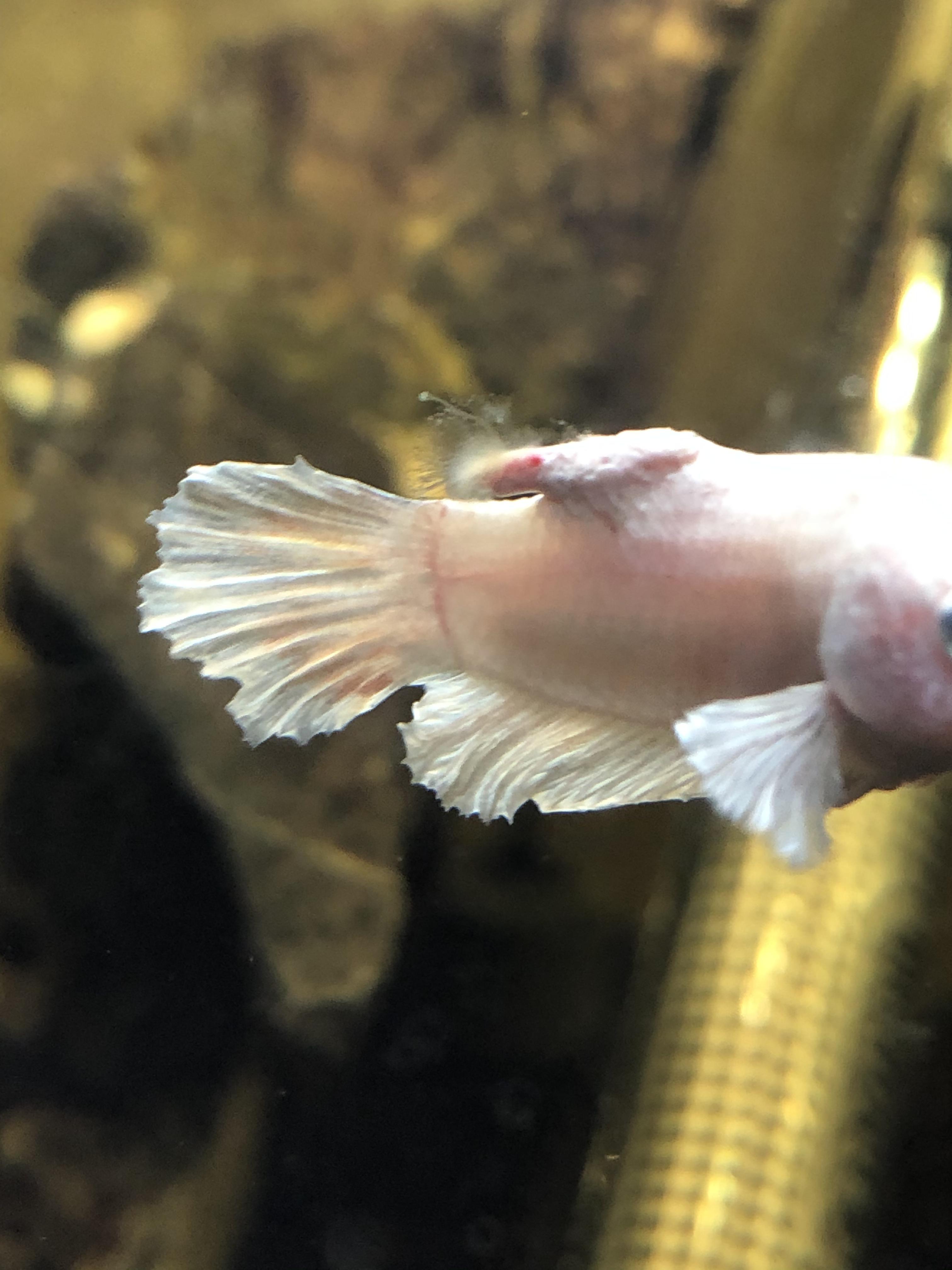
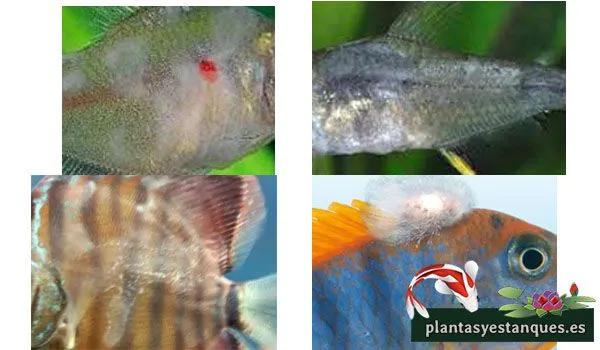
Cotton Wool Disease
White fluffy fungal-like growths caused mainly by Saprolegnia.
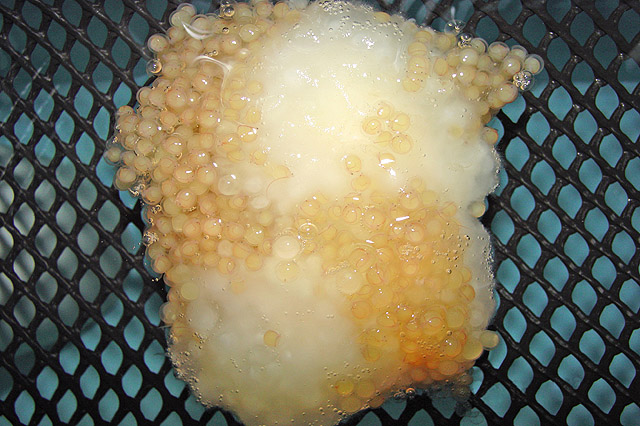
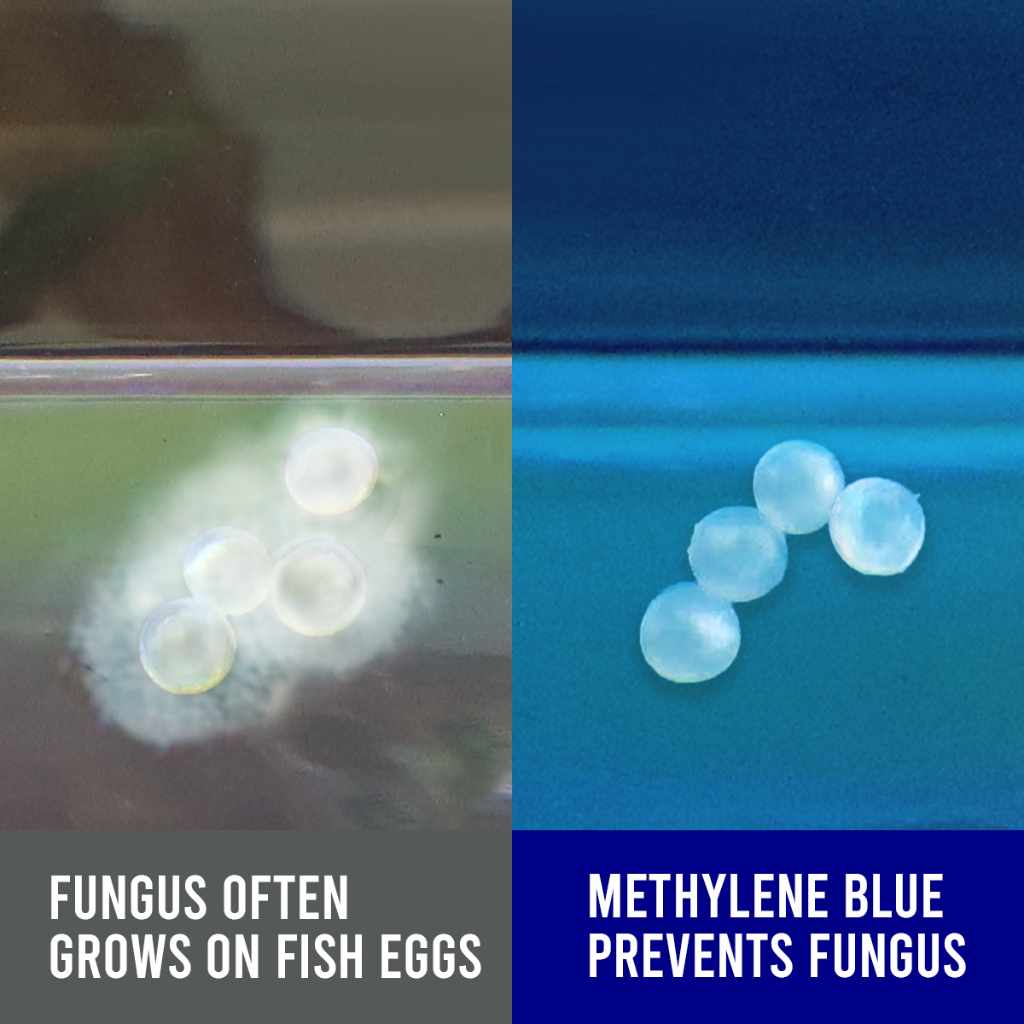
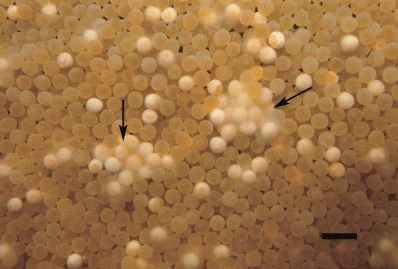
Egg Fungus
Fungal infection commonly affecting infertile or damaged eggs.
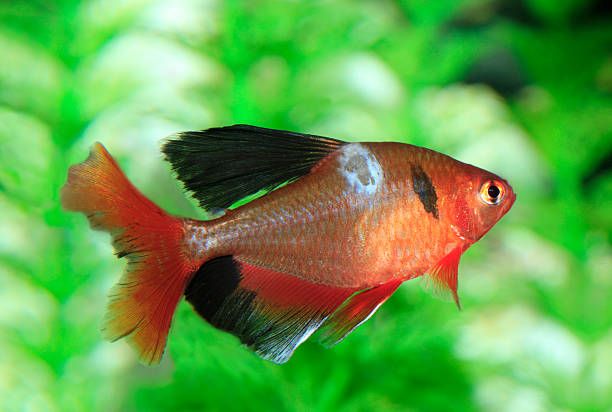
Fish Saprolegnia
Classic water mold infection forming fuzzy white growths.
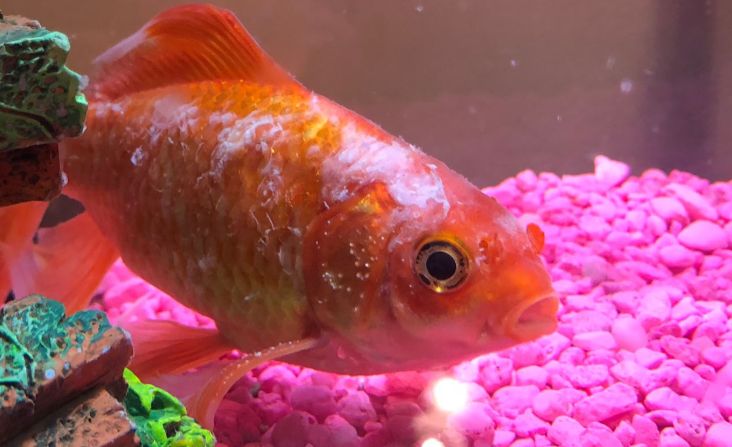
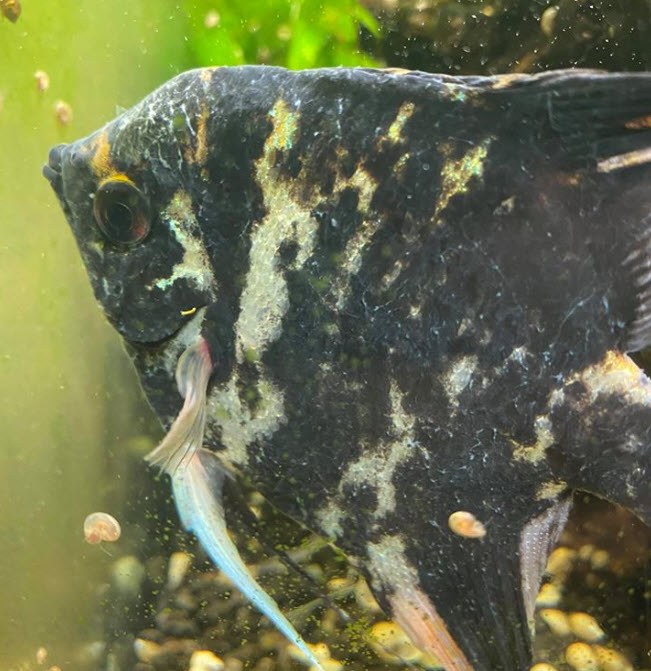
Slime Coat Syndrome / Slime Disease
Excessive mucus production causing a cloudy, peeling, or ragged appearance.
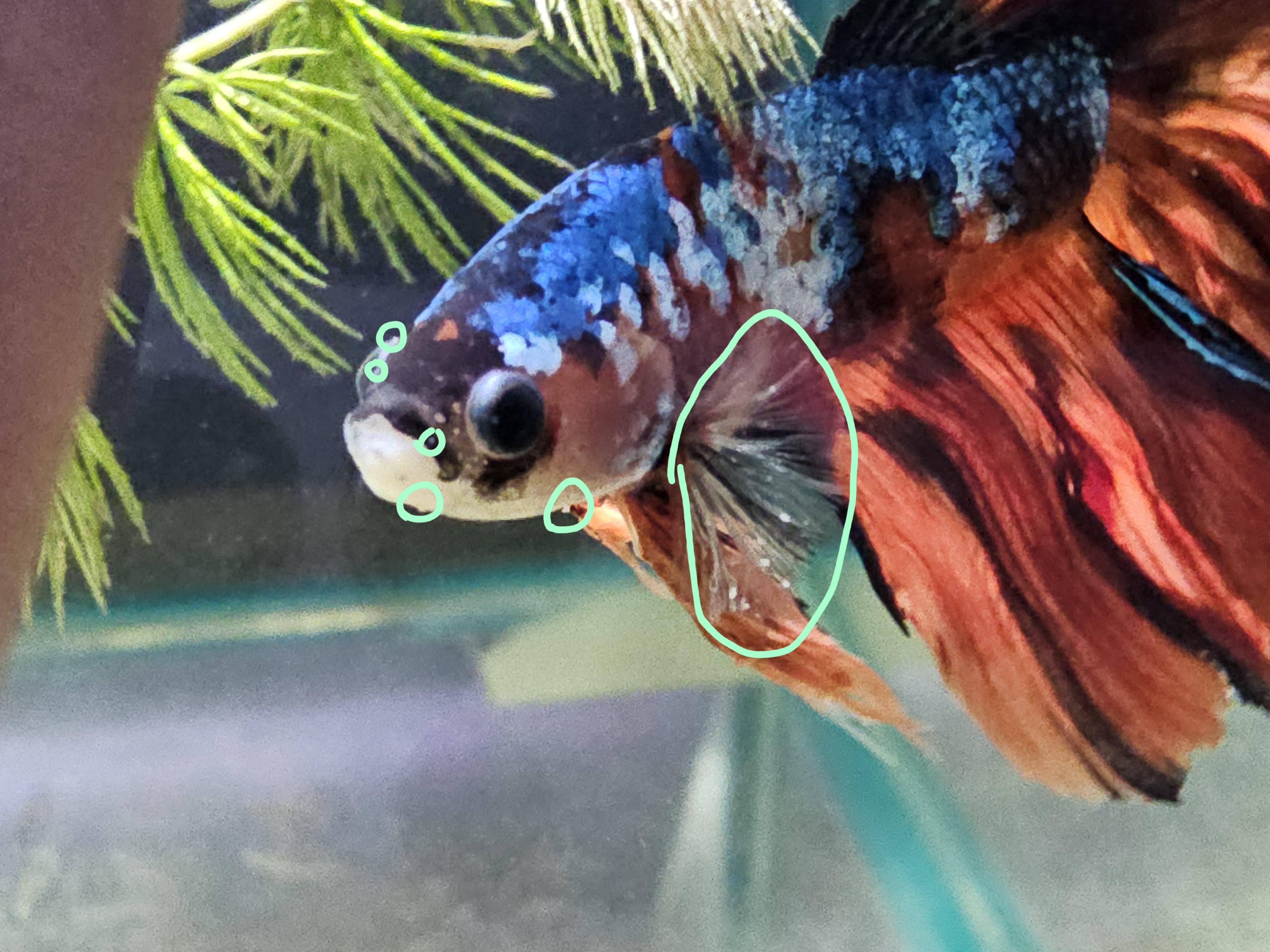
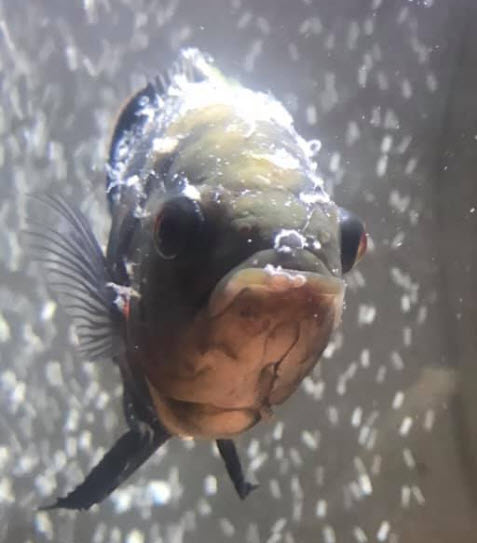
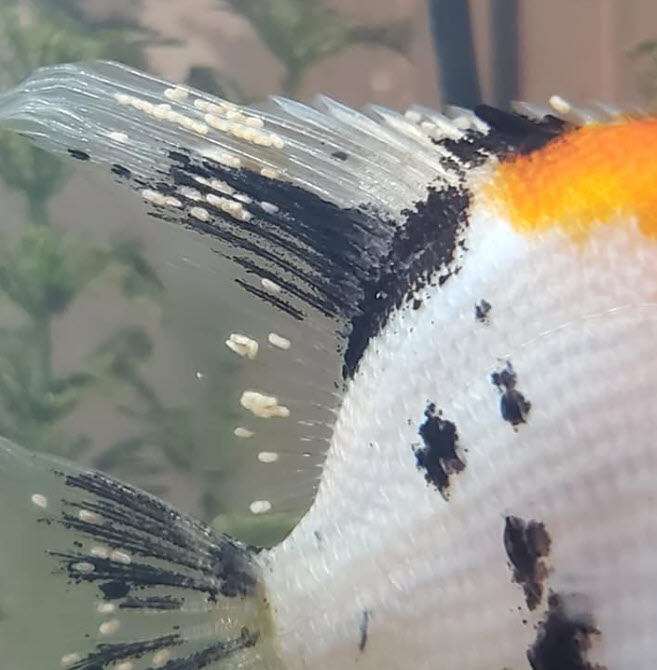
Epistylis
Protozoan infection often mistaken for Ich due to white raised lesions.
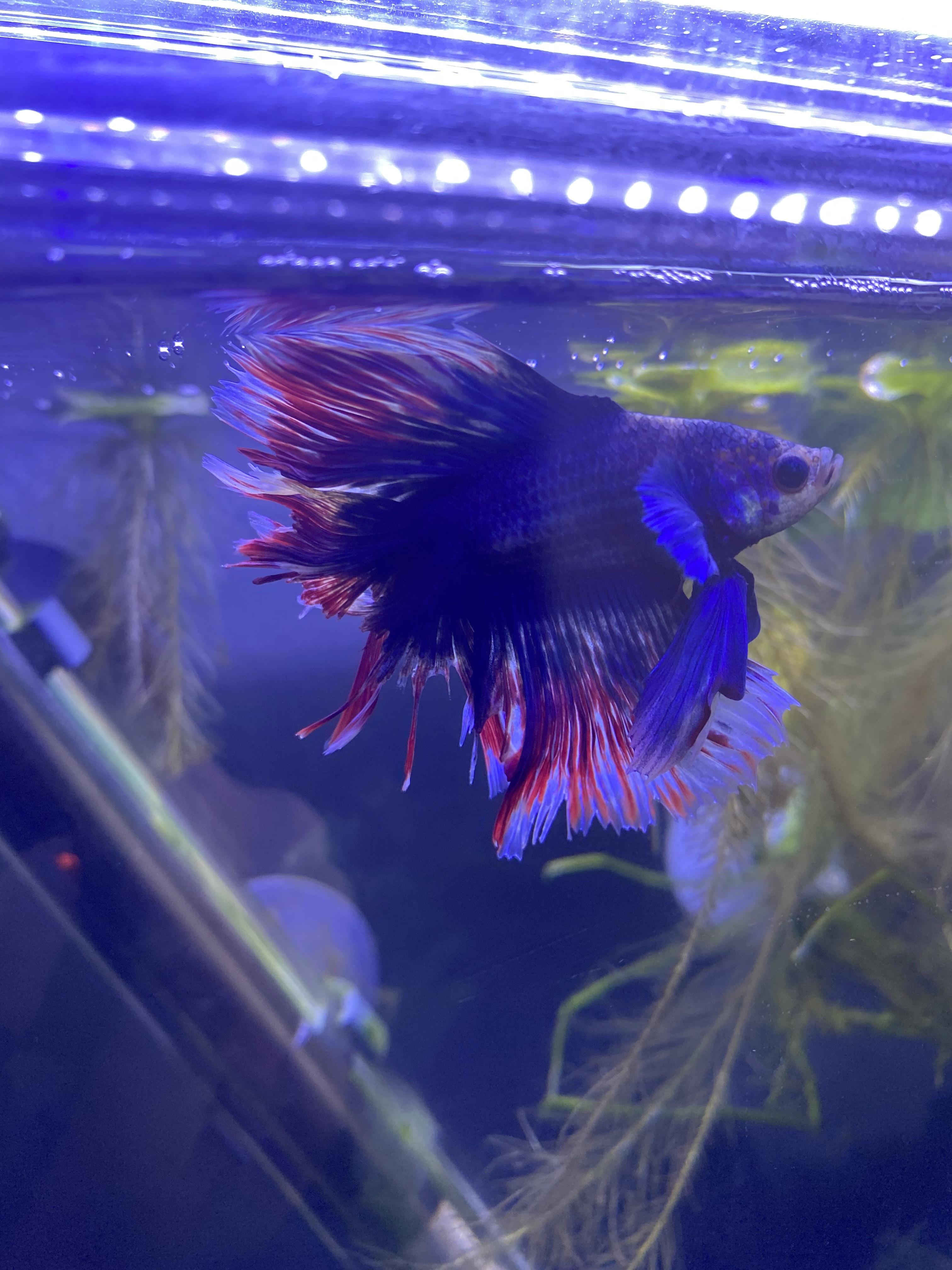
Tail & Fin Biting
Damage caused by aggression, stress, boredom, or self-mutilation.
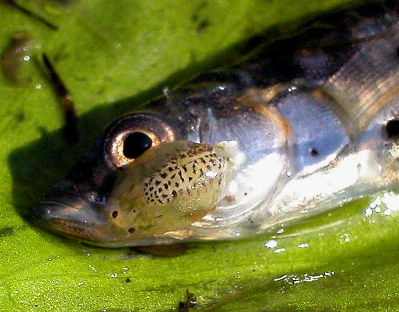
Fish Lice
External crustacean parasites attaching to fish skin and fins.
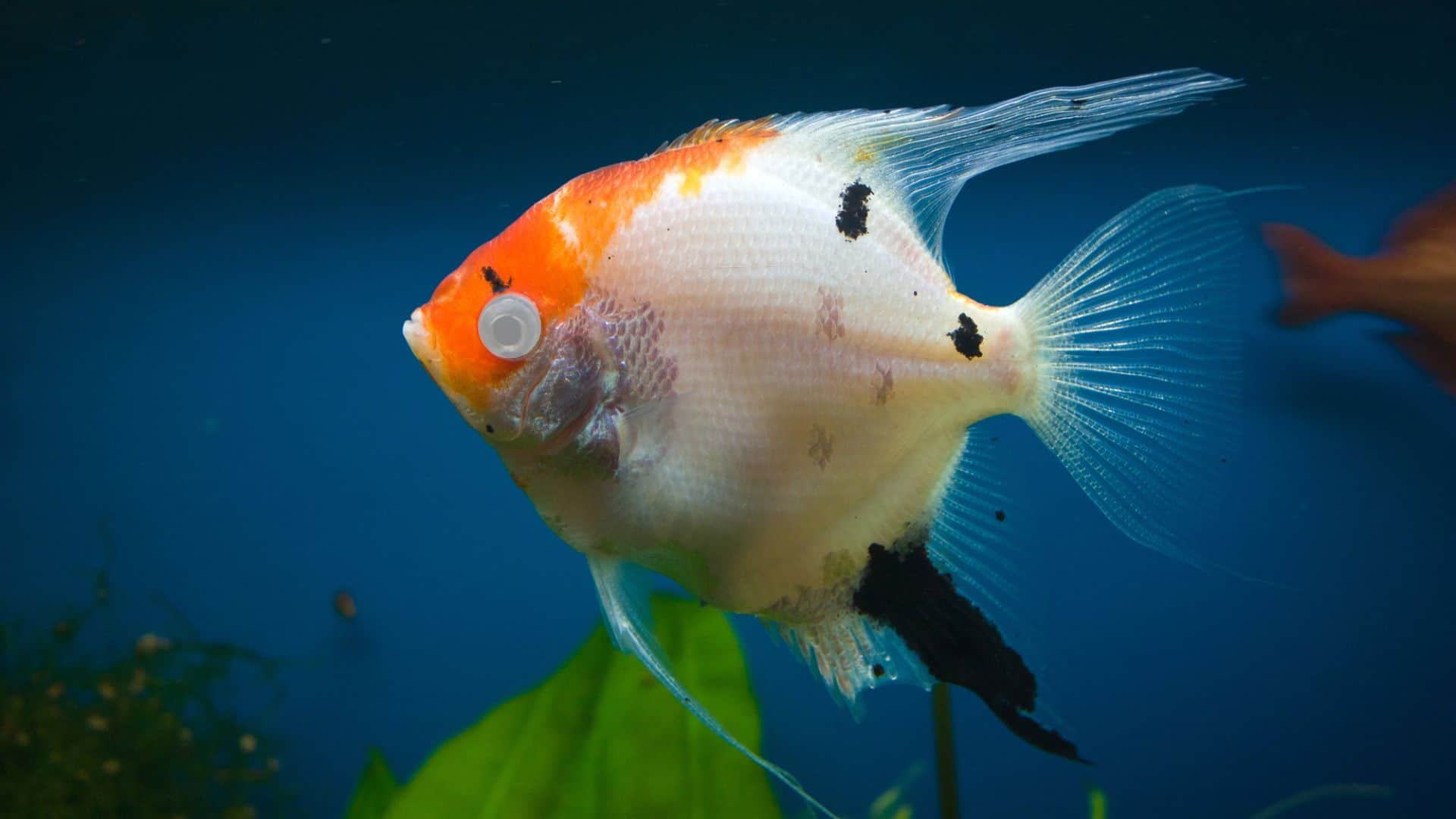
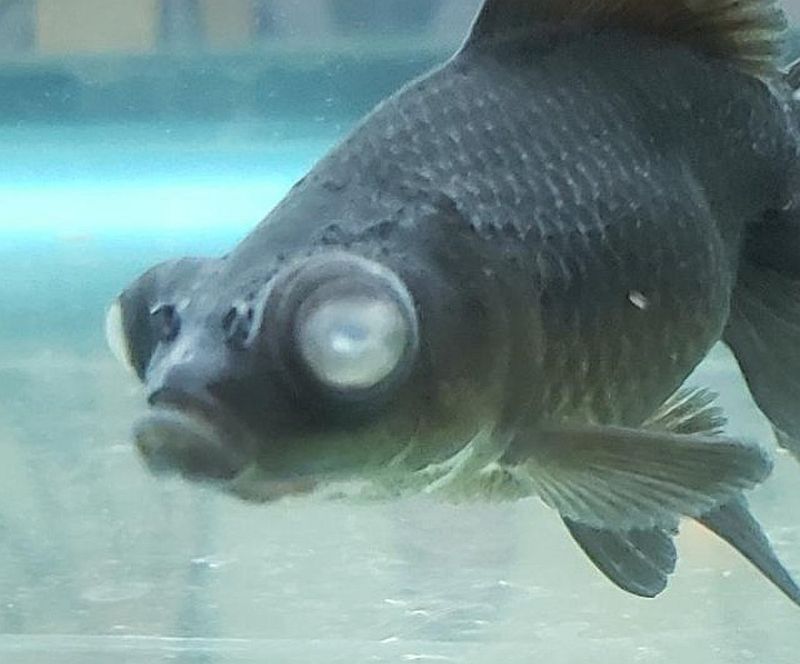
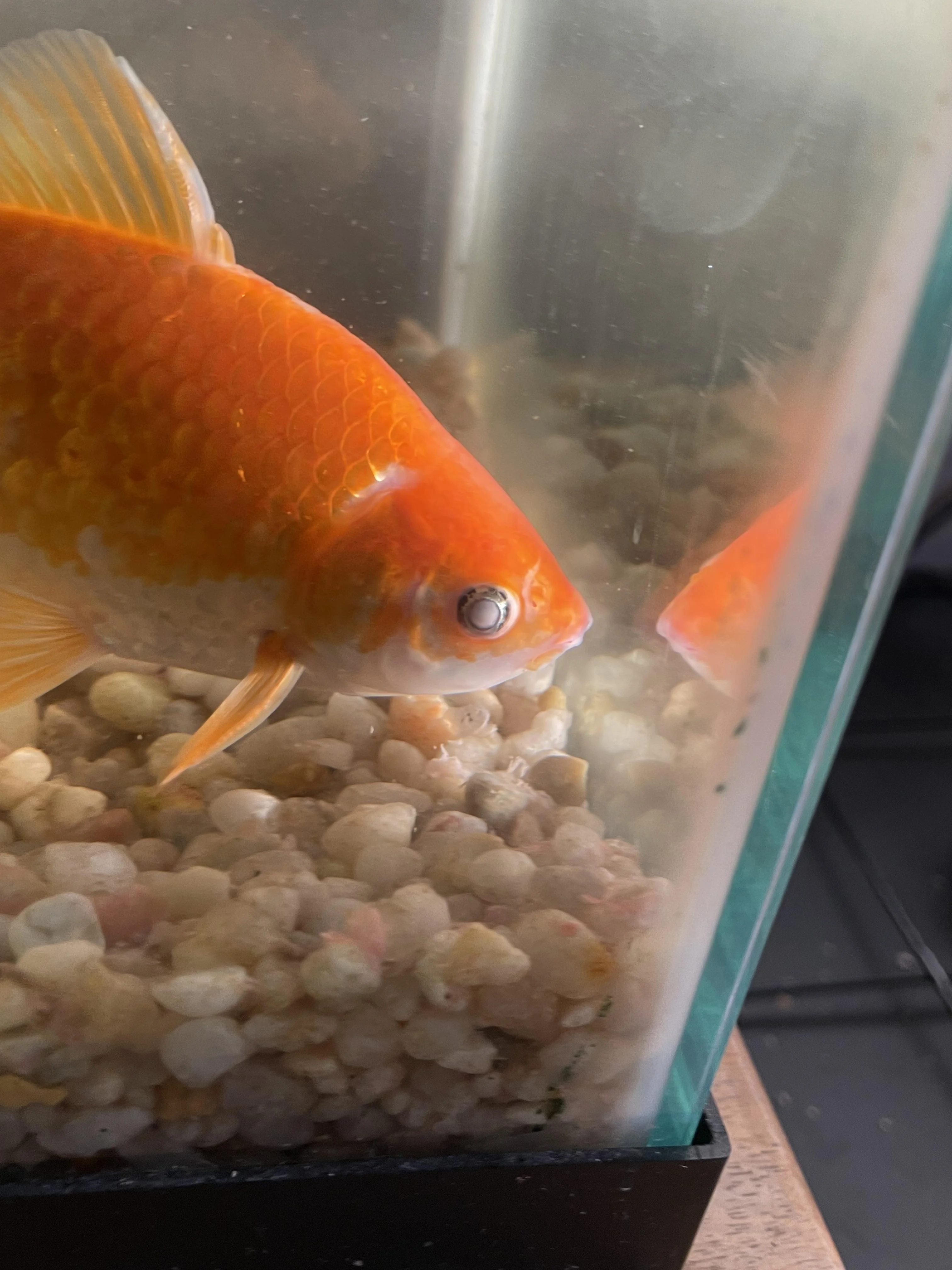
Cloudy Eye
Eye opacity caused by injury, bacteria, poor water quality, or parasites.
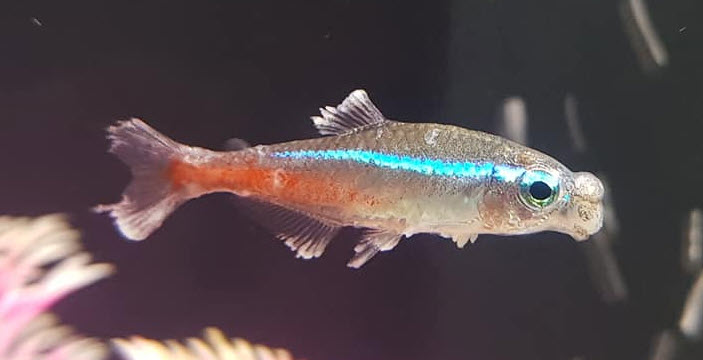
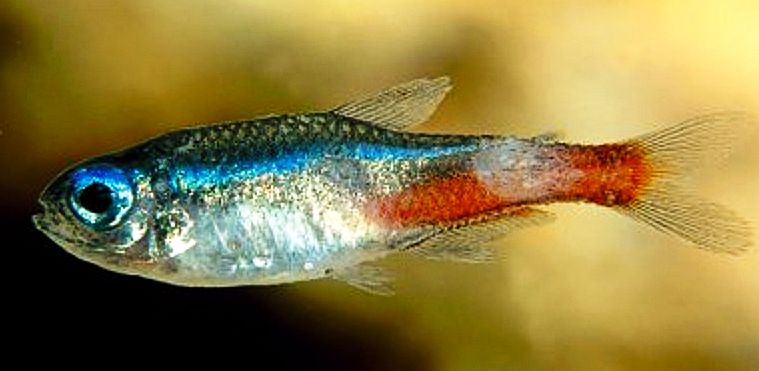
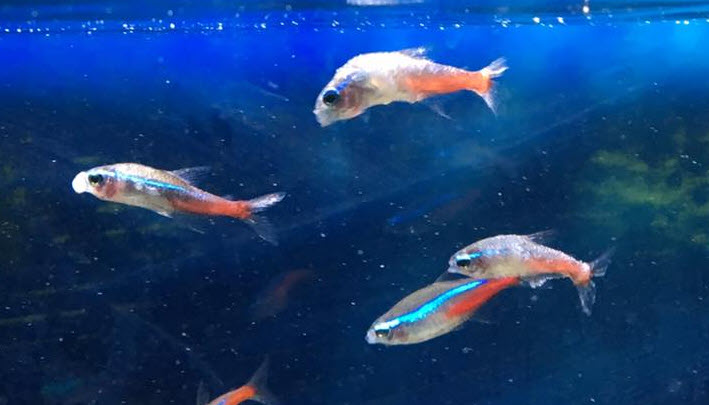
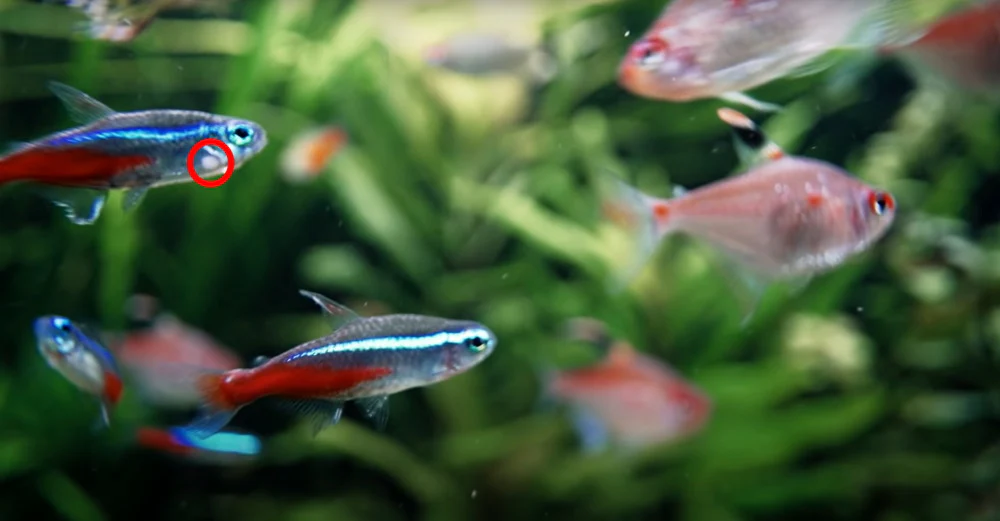
Neon Tetra Disease
Parasitic infection causing pale patches and wasting.
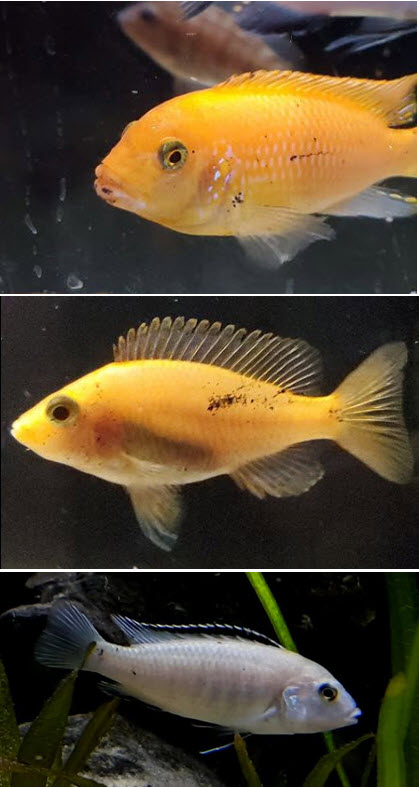
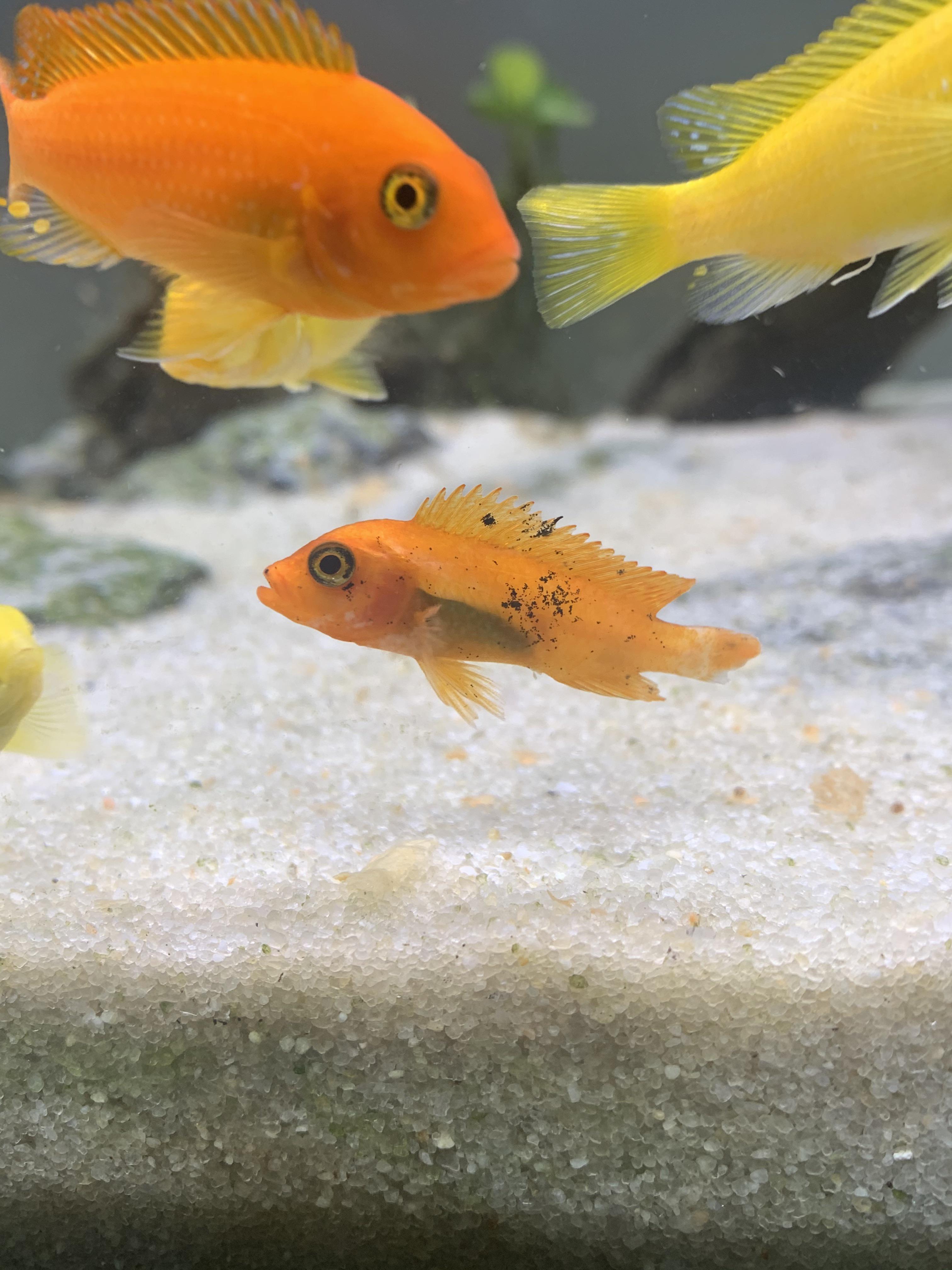
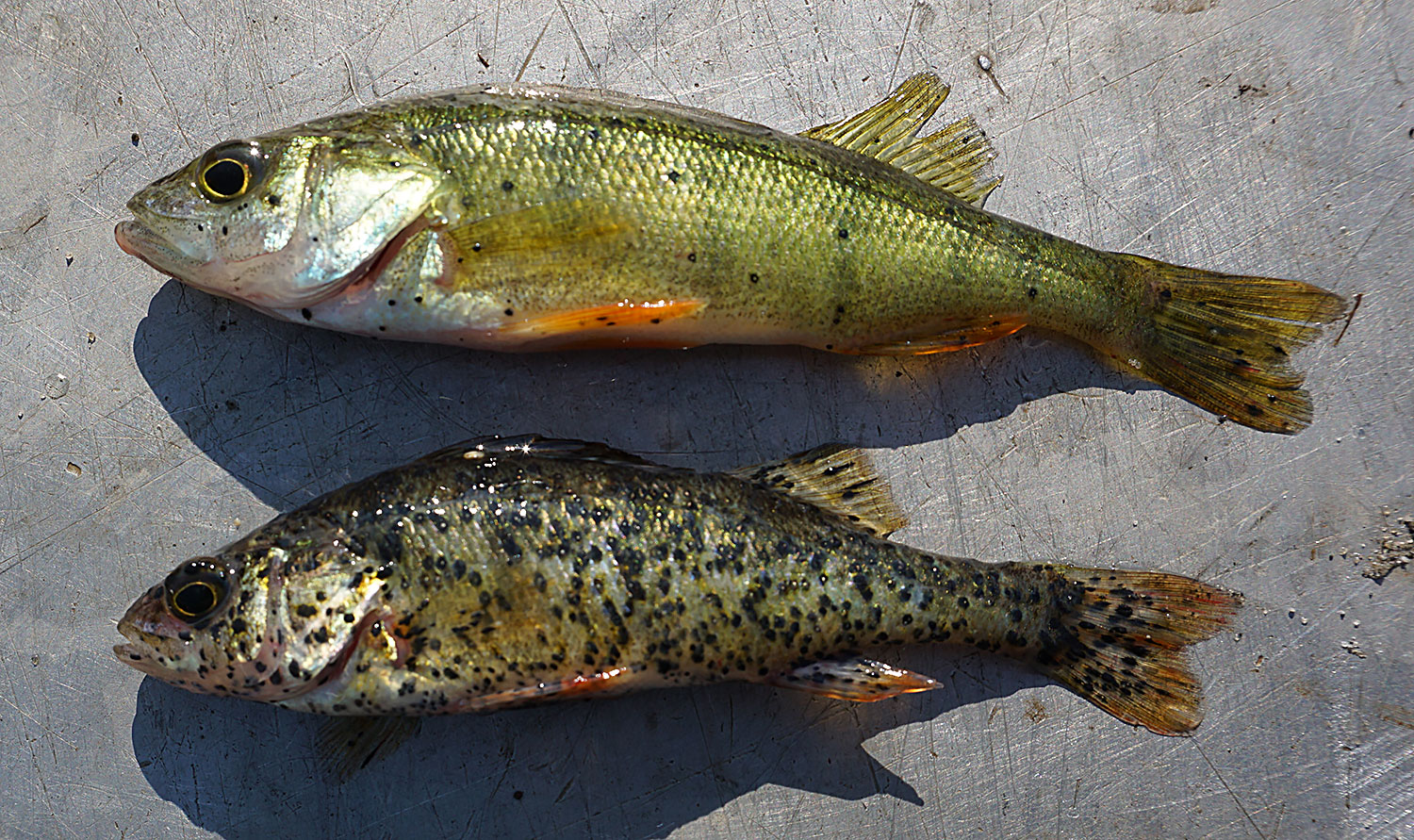
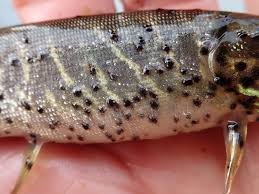
Black Spot Disease / Black Ich
Small black dots caused by parasitic trematode larvae.
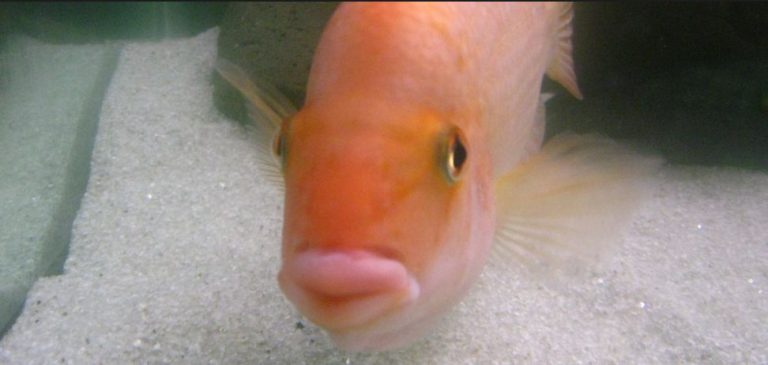
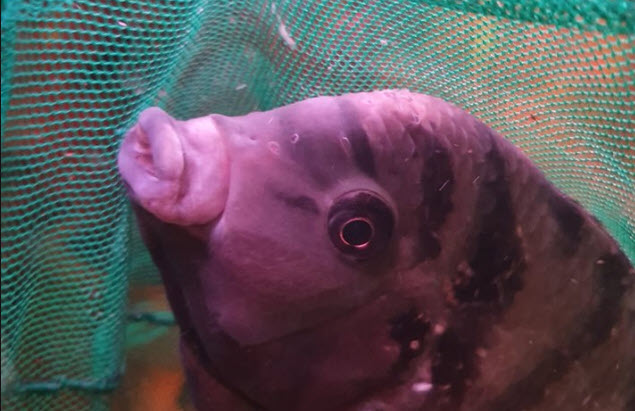
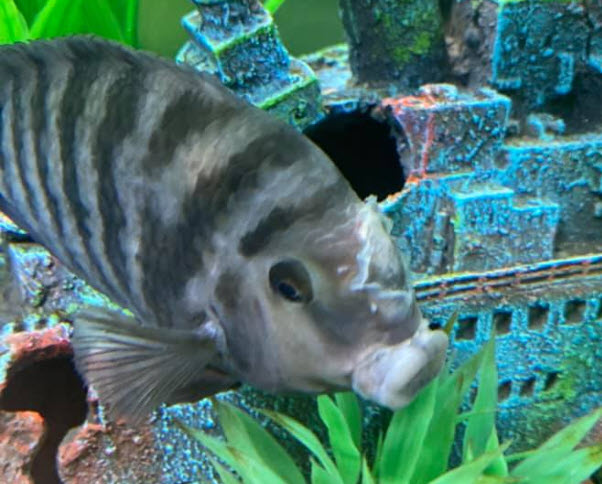
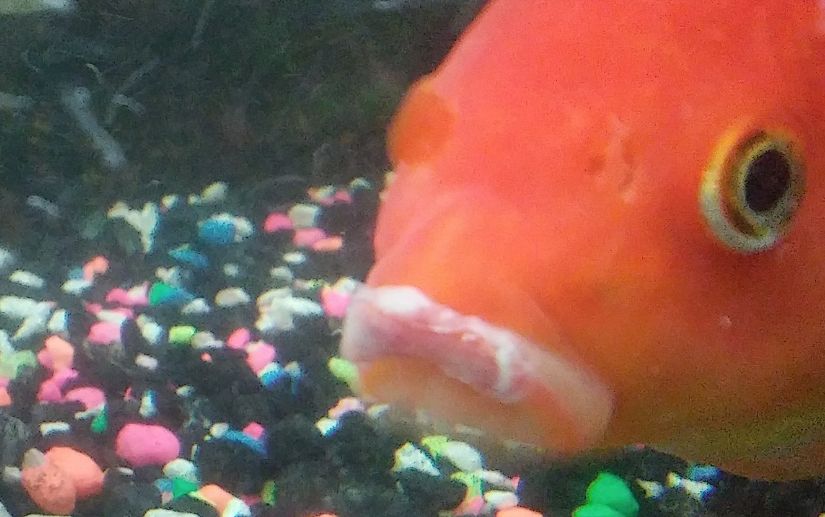
Duck Lips Disease
Fungal infection causing mouth lesions and swelling.
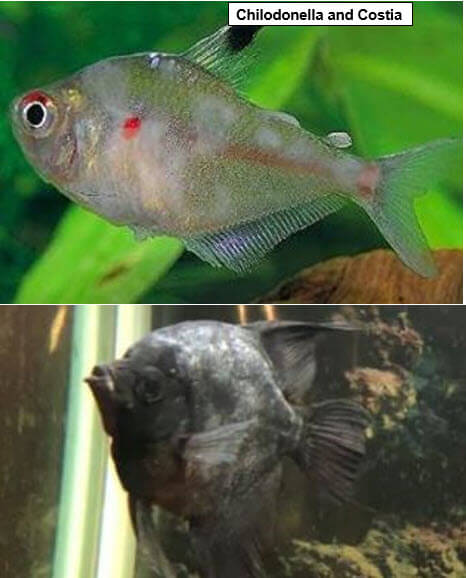
Chilodonella
Highly lethal parasitic infection of skin and gills.
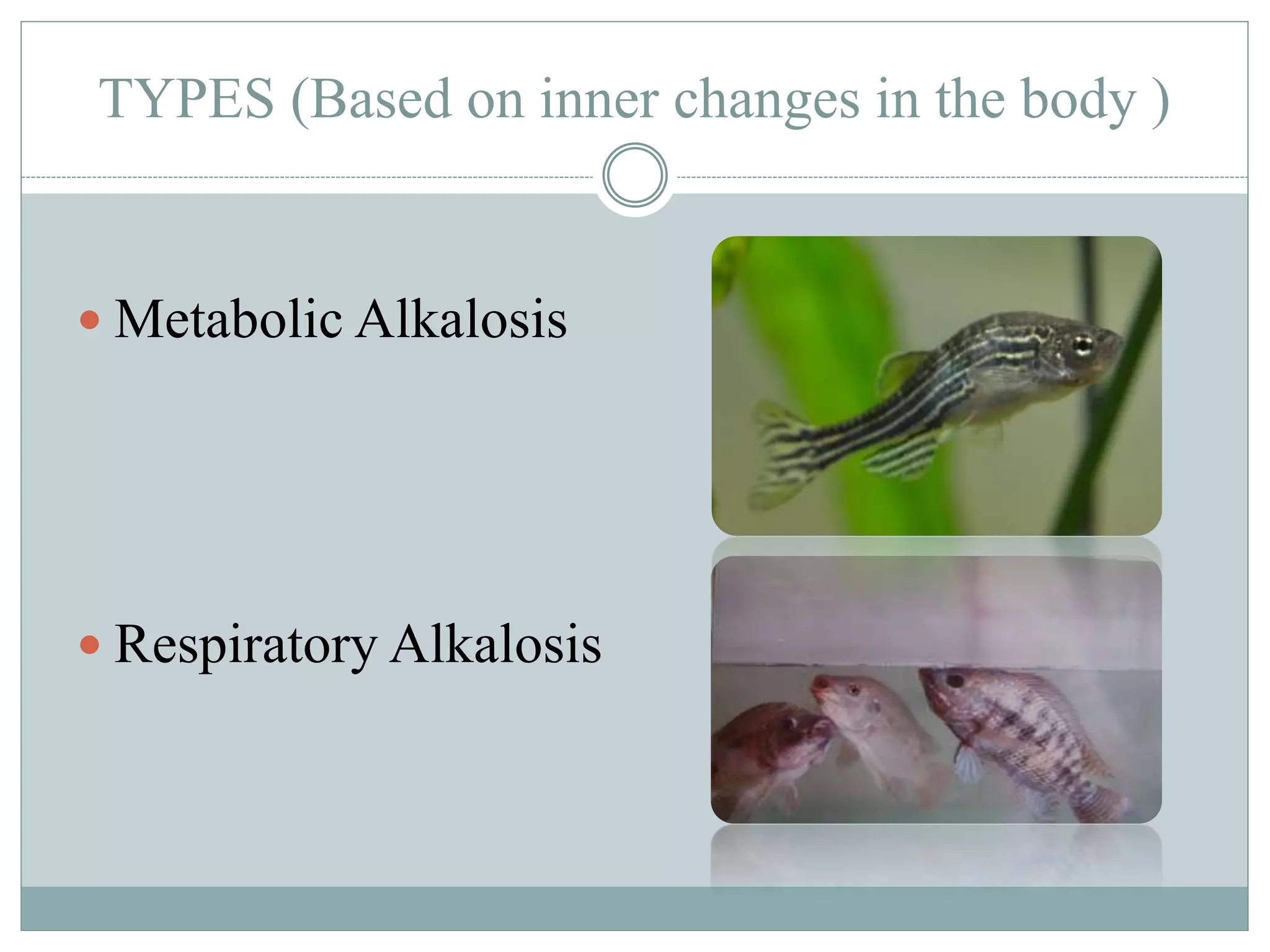
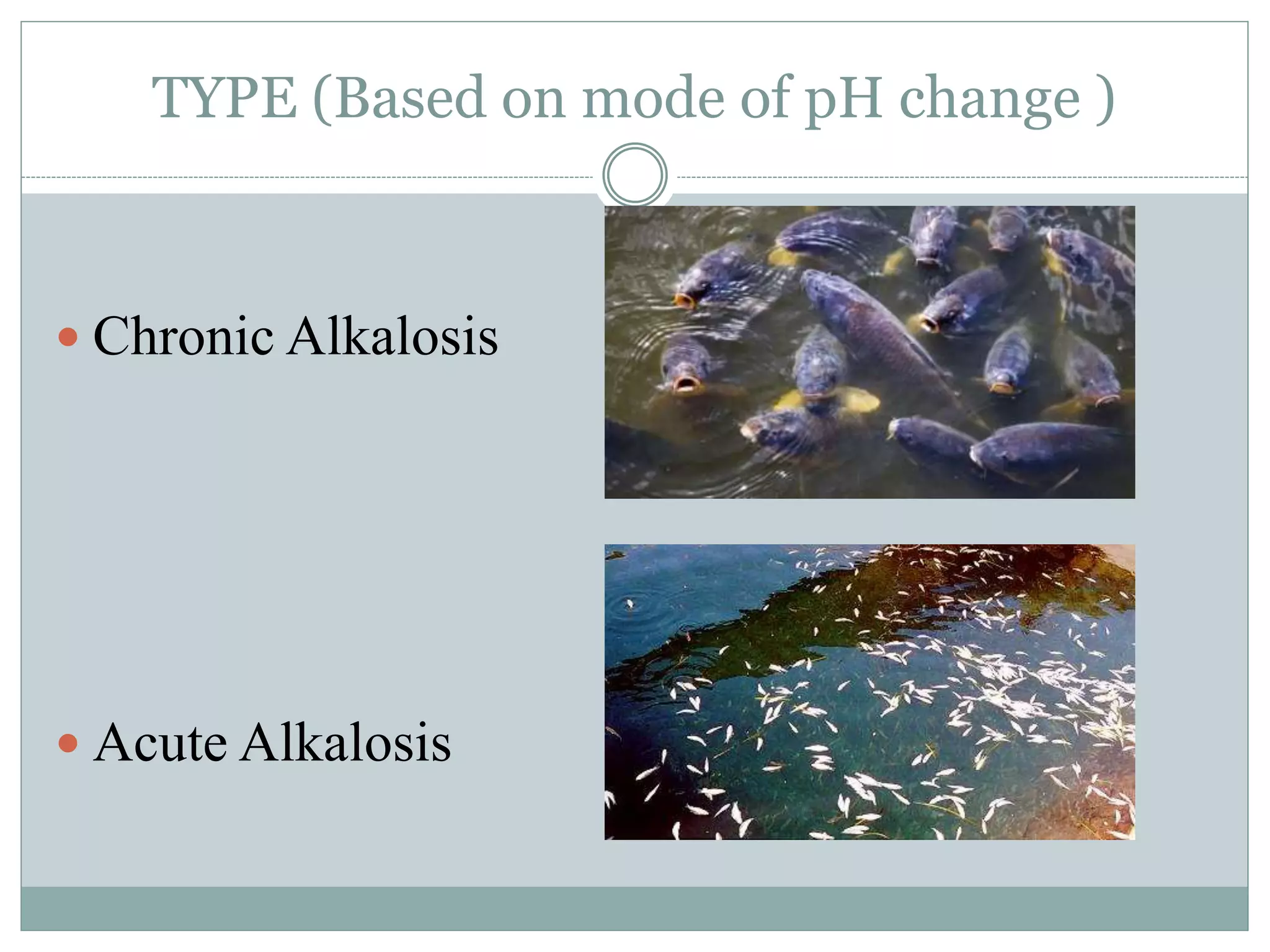
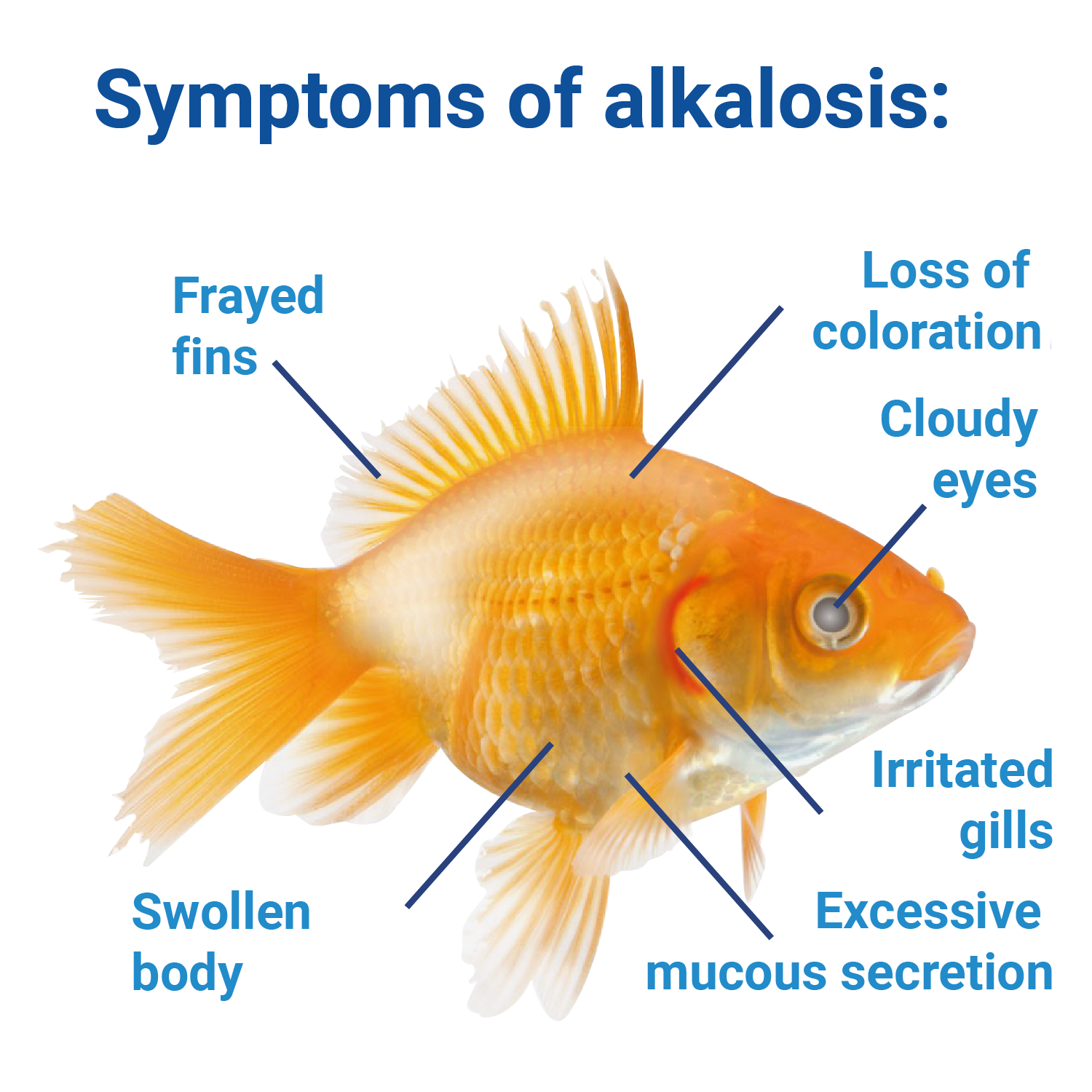
alkalosis
Stress and tissue damage from excessively high pH levels.
🦐 Shrimp Diseases
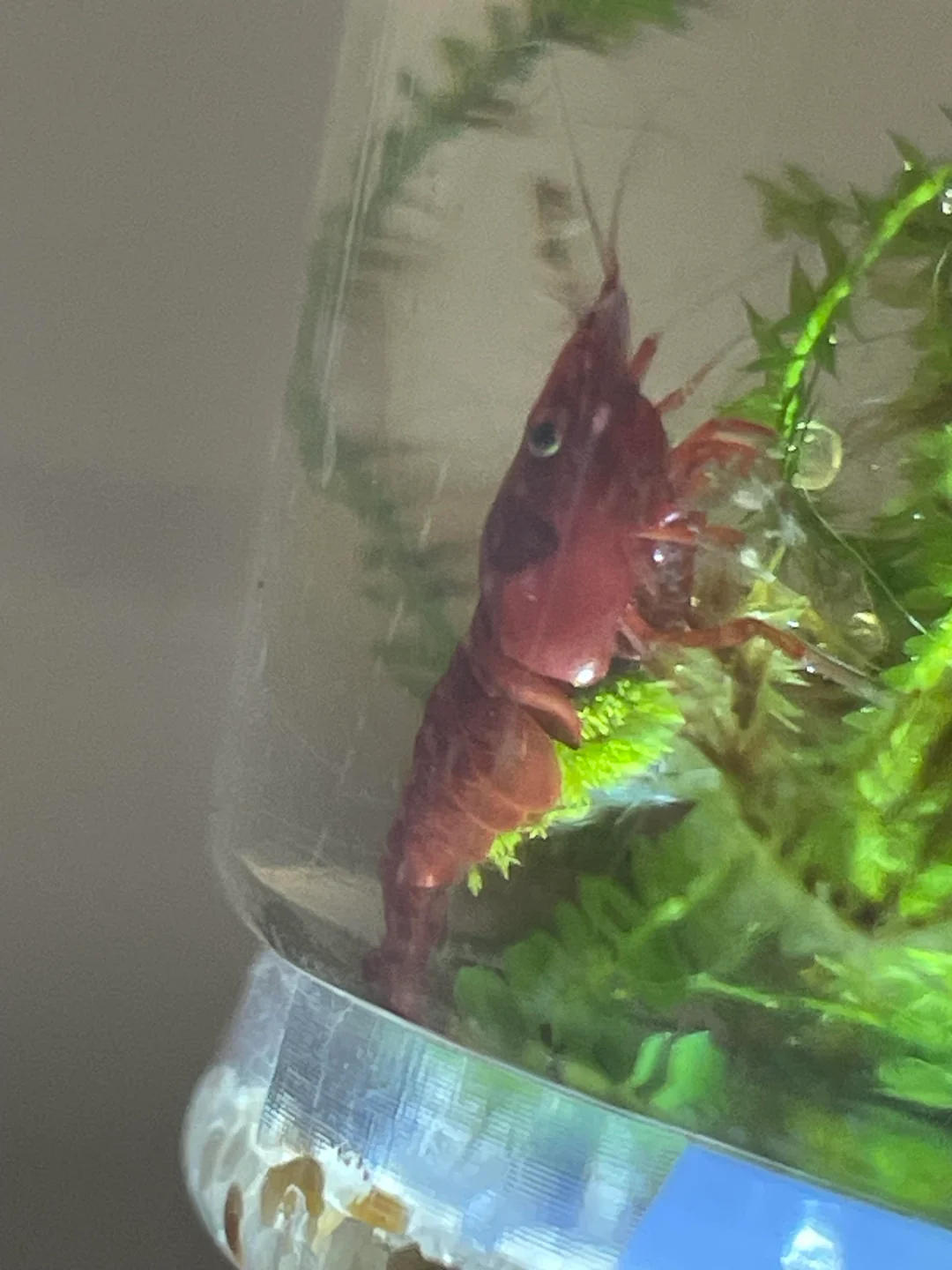
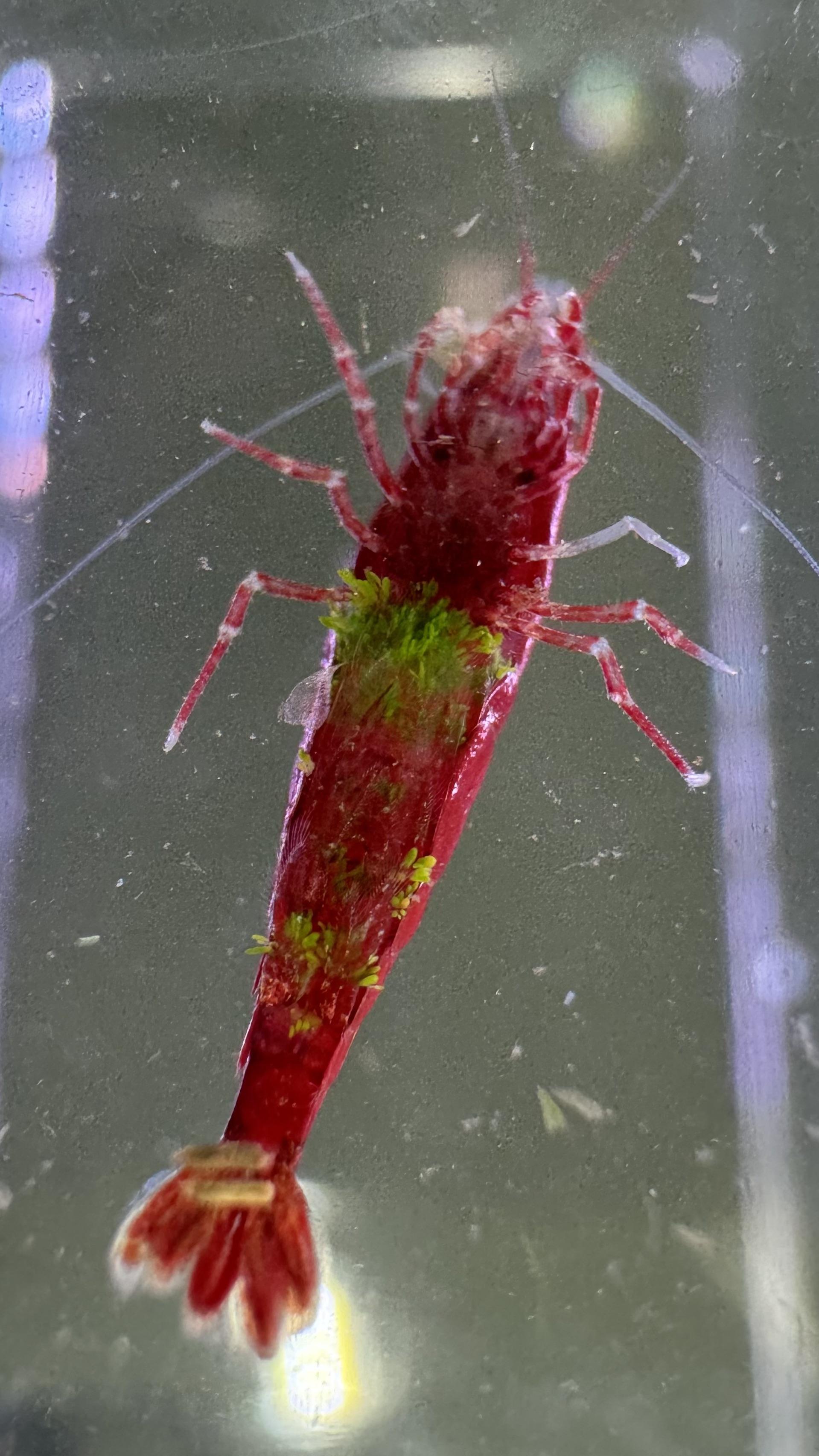
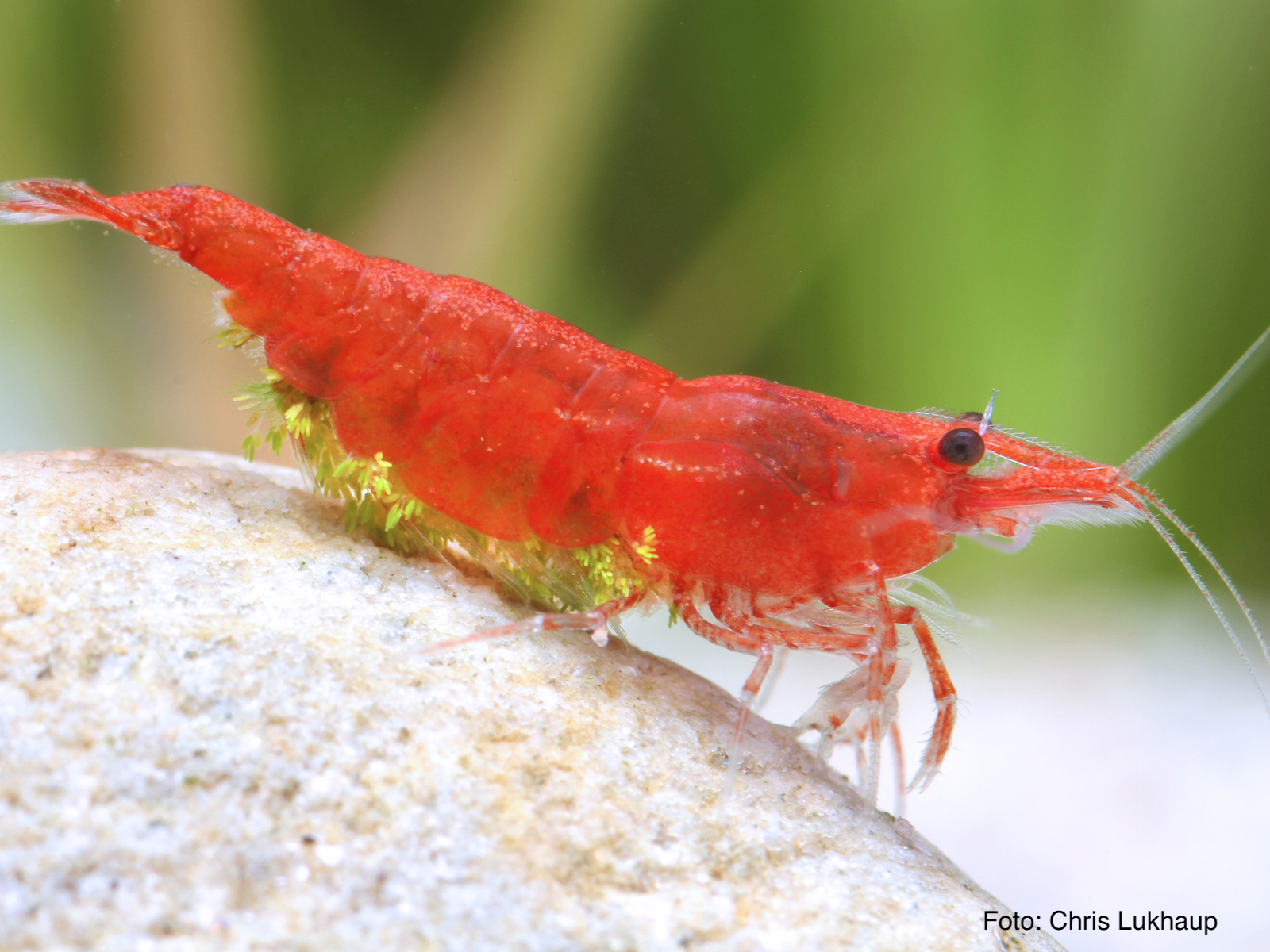
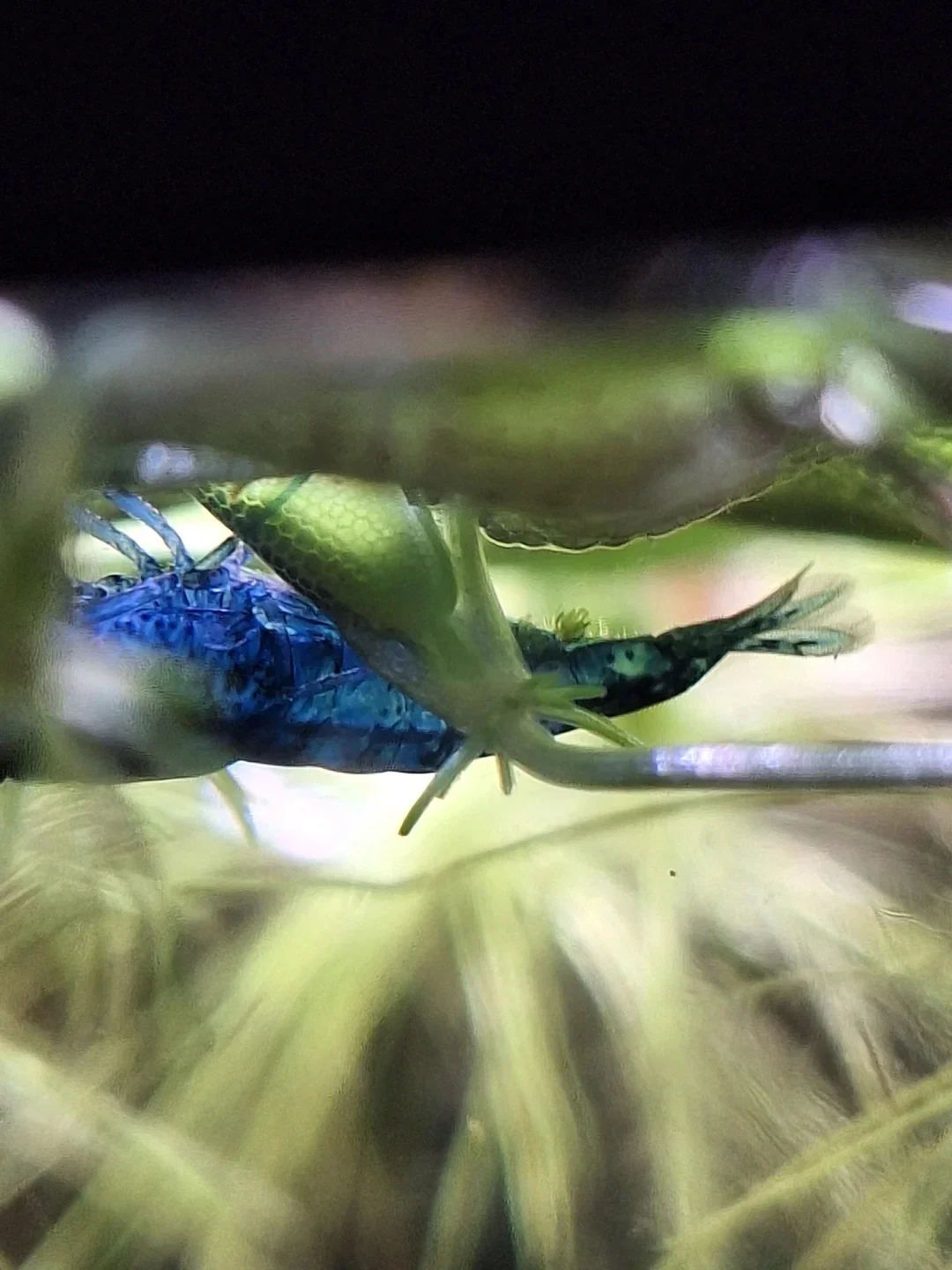
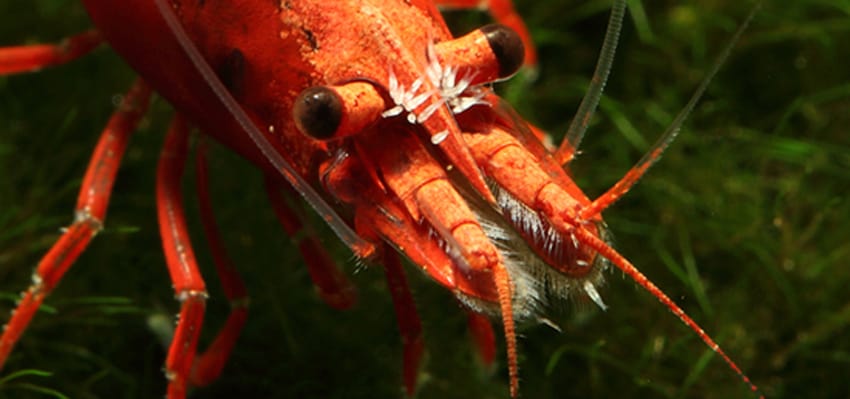
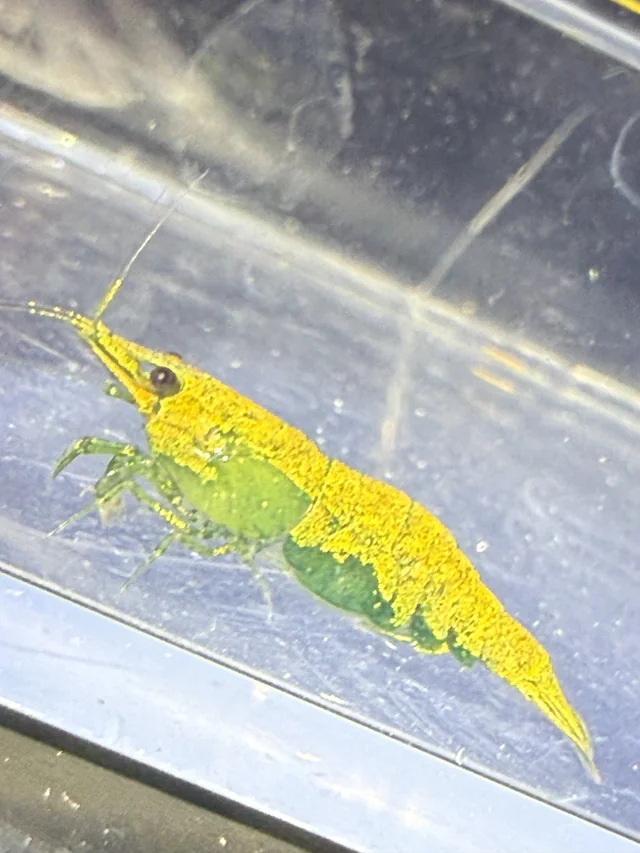
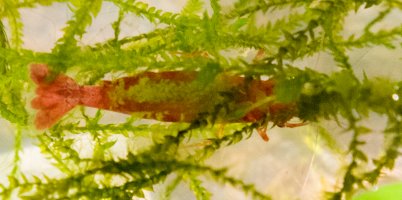
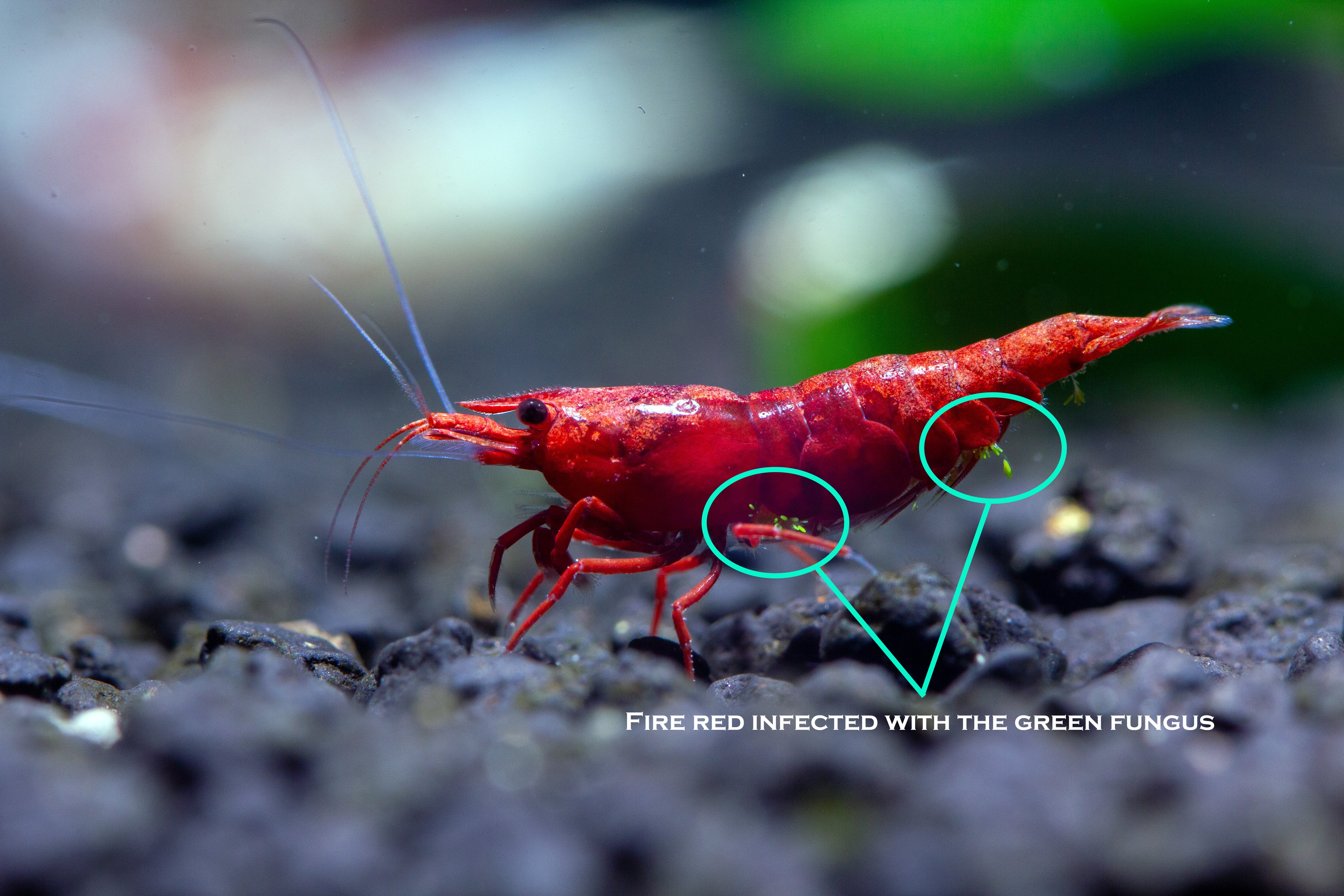
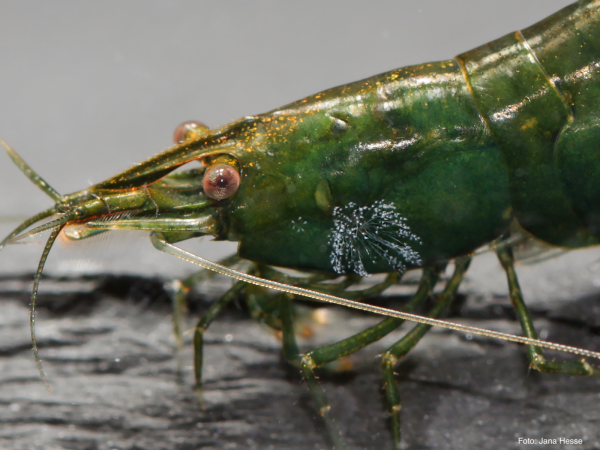
Cladogonium
Green fungal/algae-like infection.
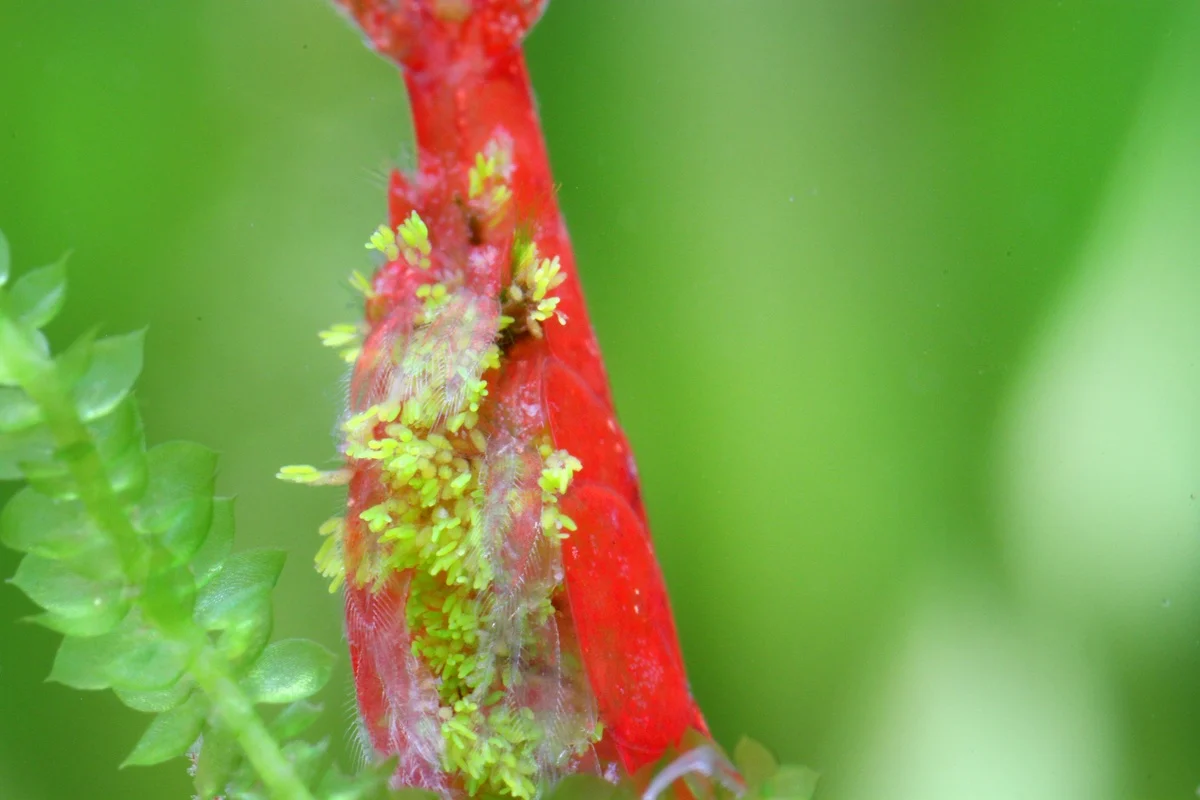
Ellobiopsidae
Parasitic protist infection causing reduced growth, weakened shrimp, and visible external attachments.
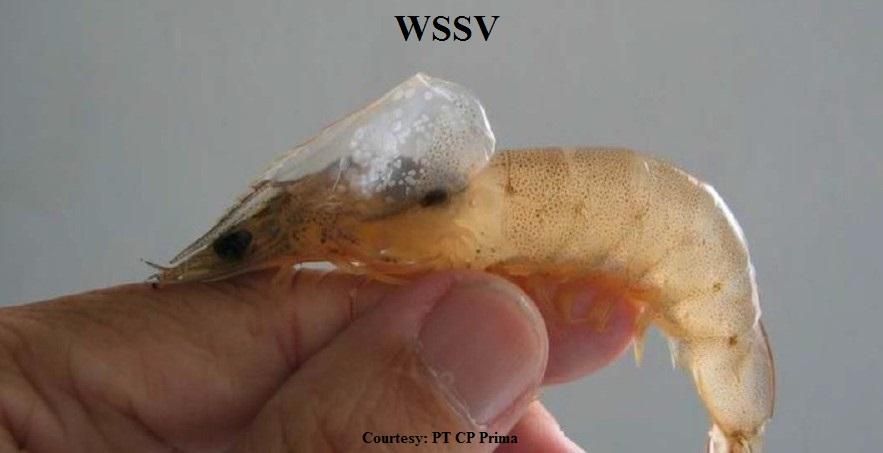
White Spot Syndrome Virus (WSSV)
A highly lethal virus causing distinct white calcium spots under the shell.
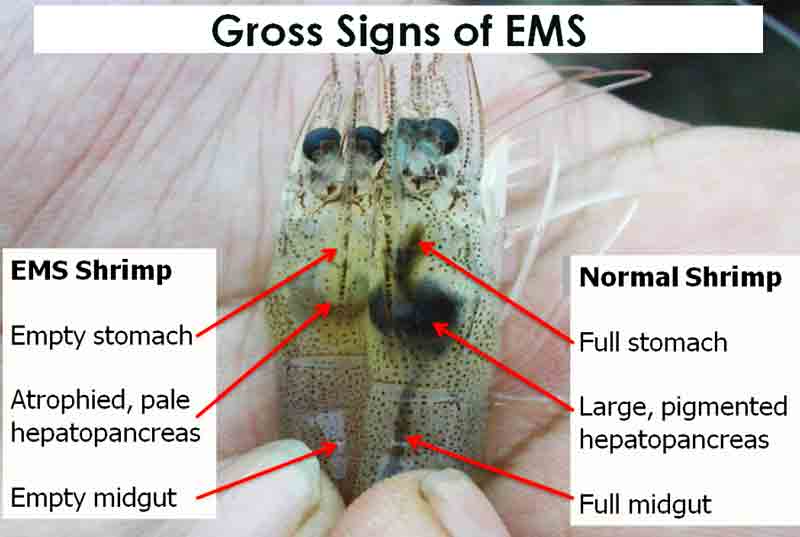
Early Mortality (AHPND, Acute Hepatopancreatic Necrosis Disease)
Attacks the digestive gland, causing it to turn pale and shrink.
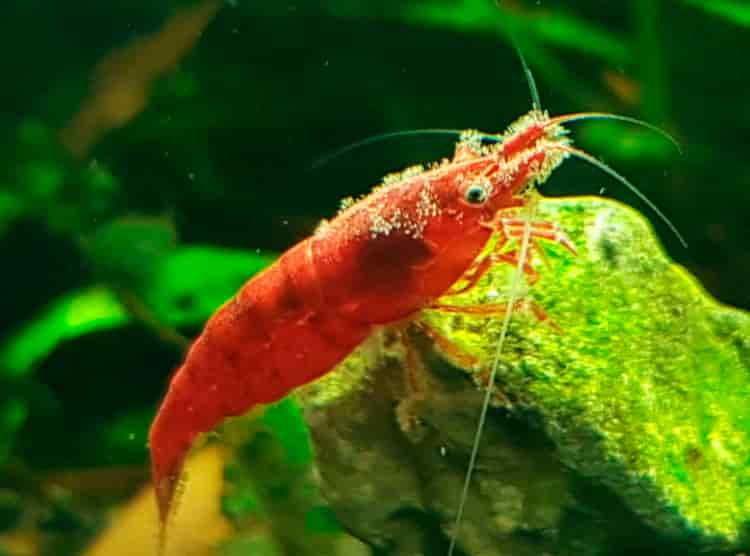
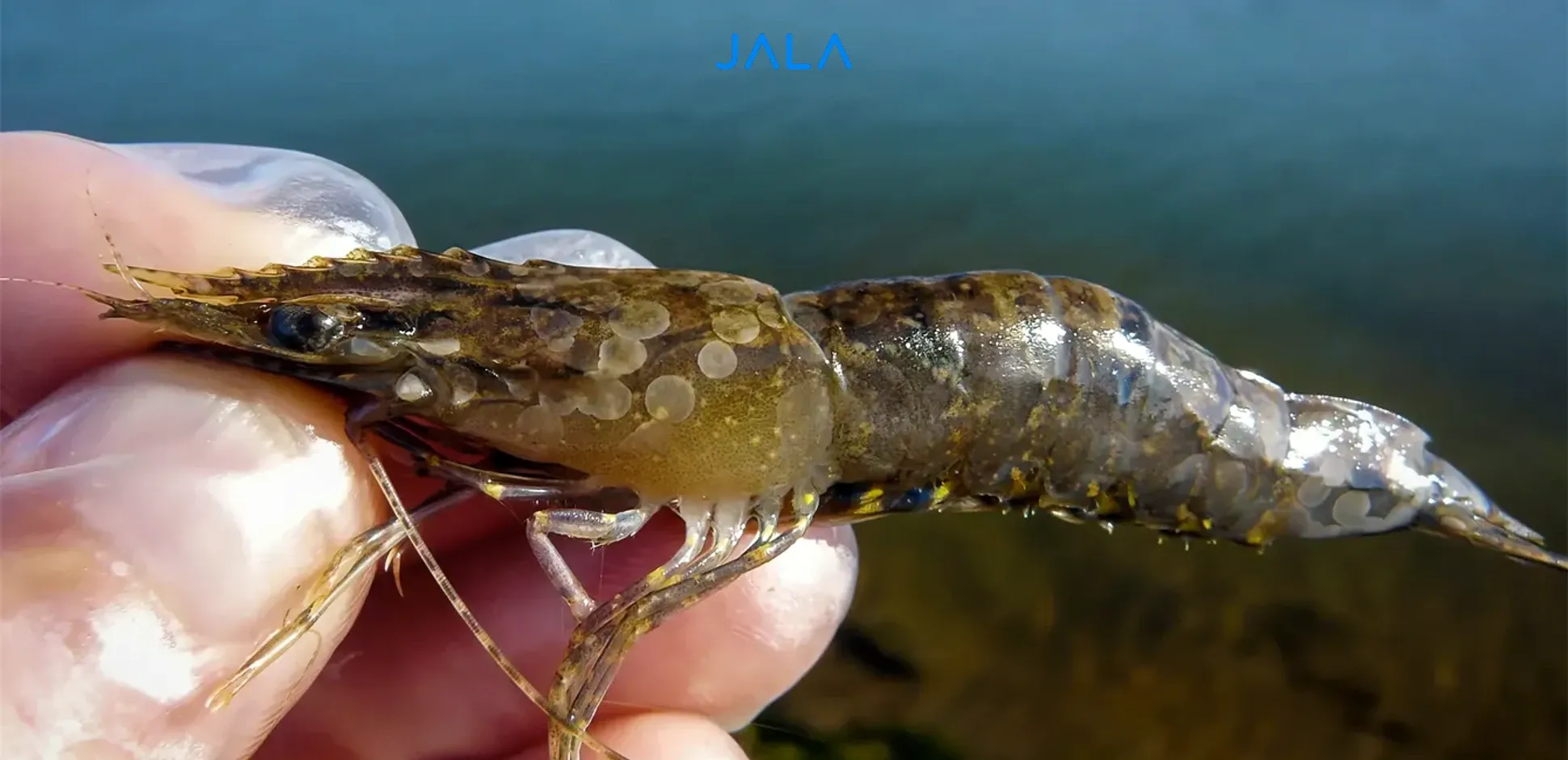
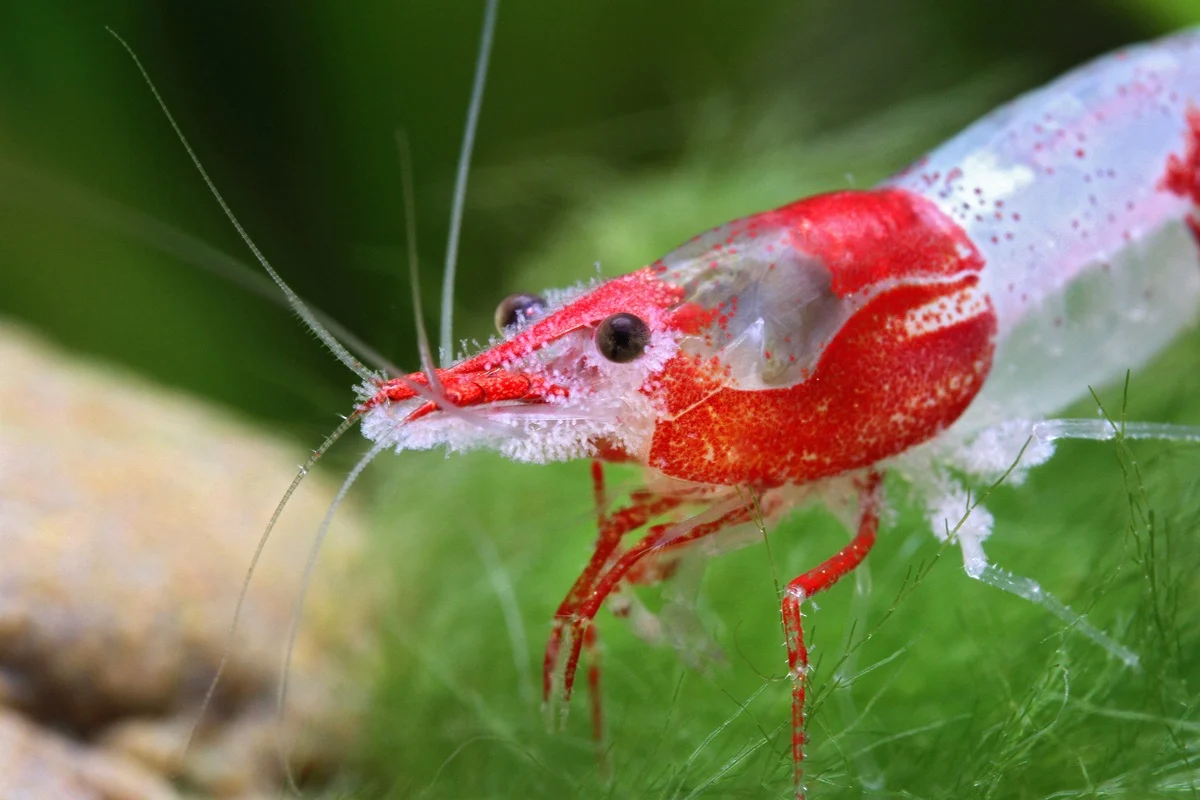
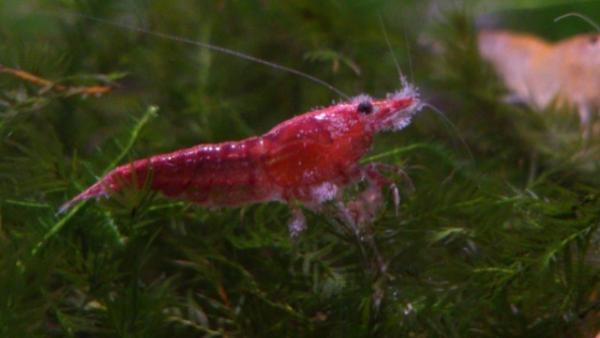
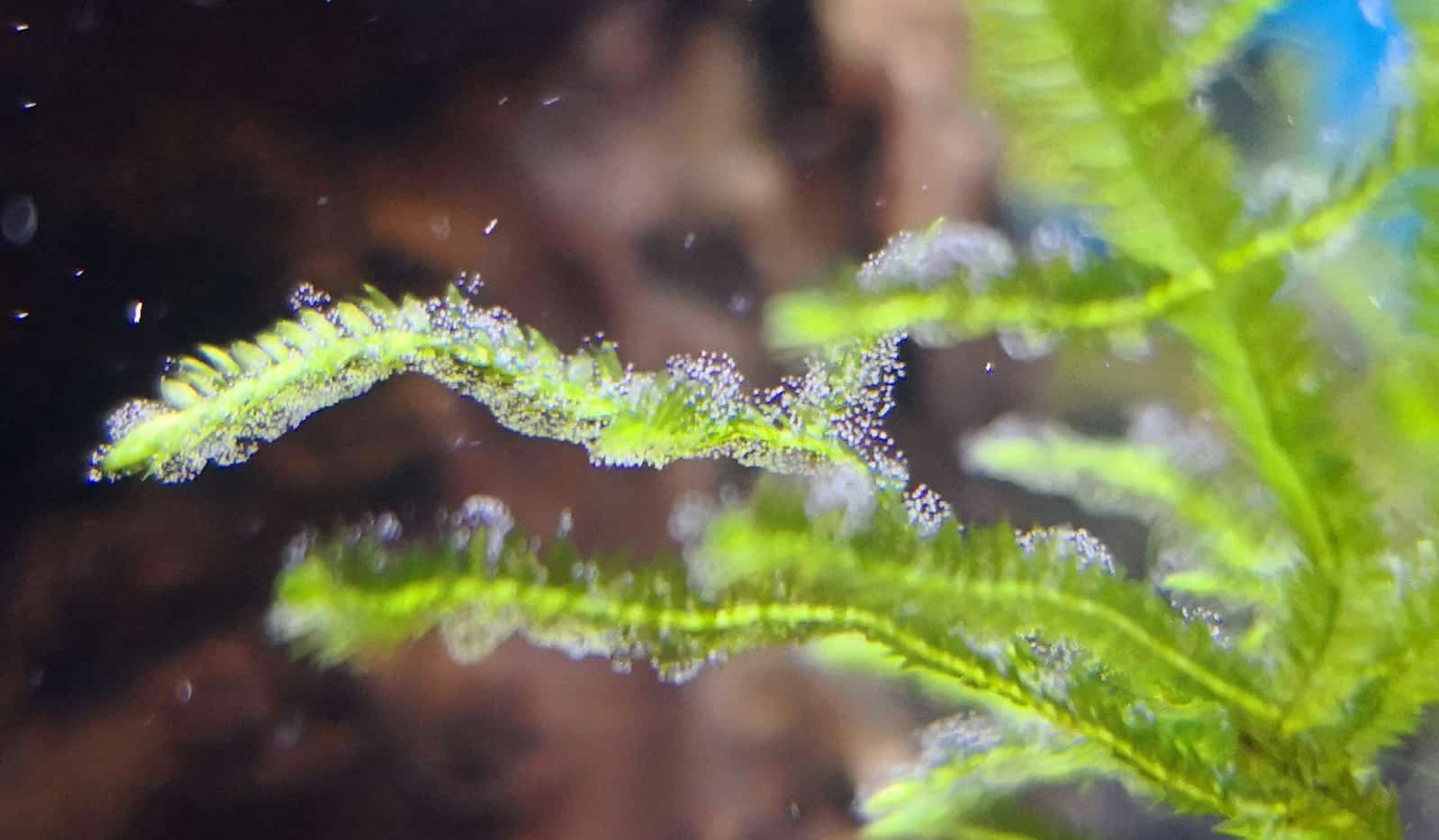
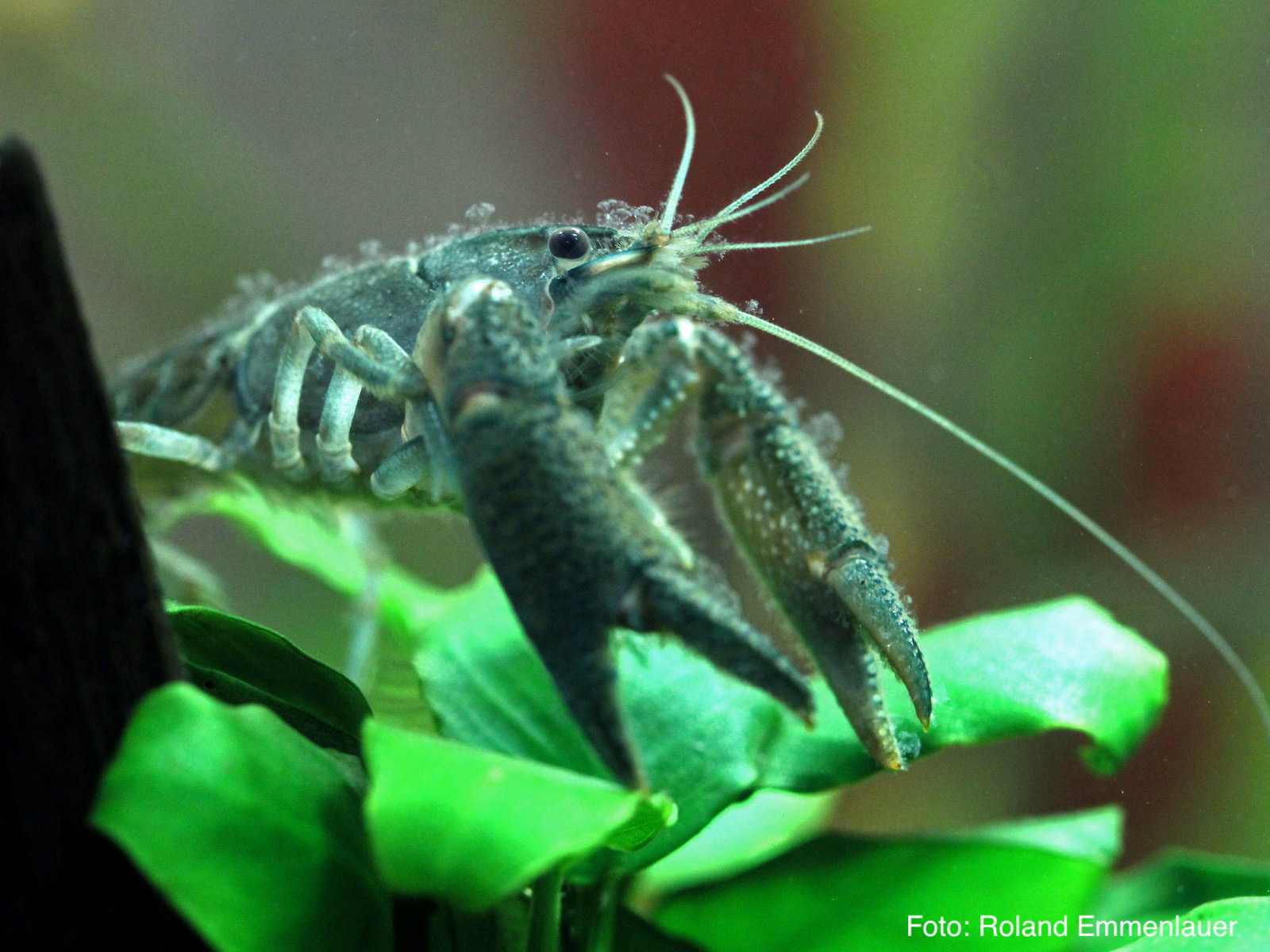
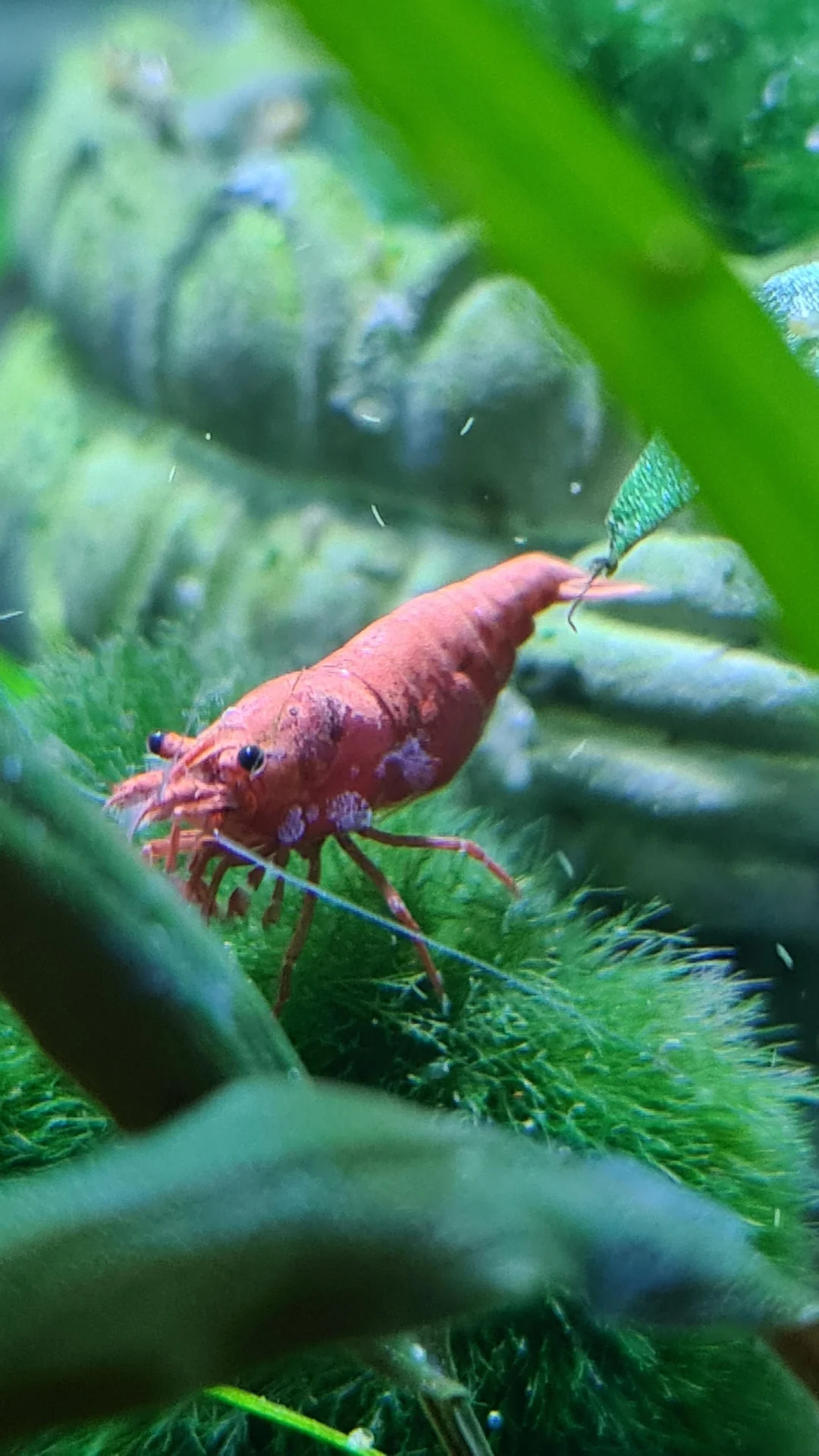
Vorticella
White fuzzy protozoan growth.
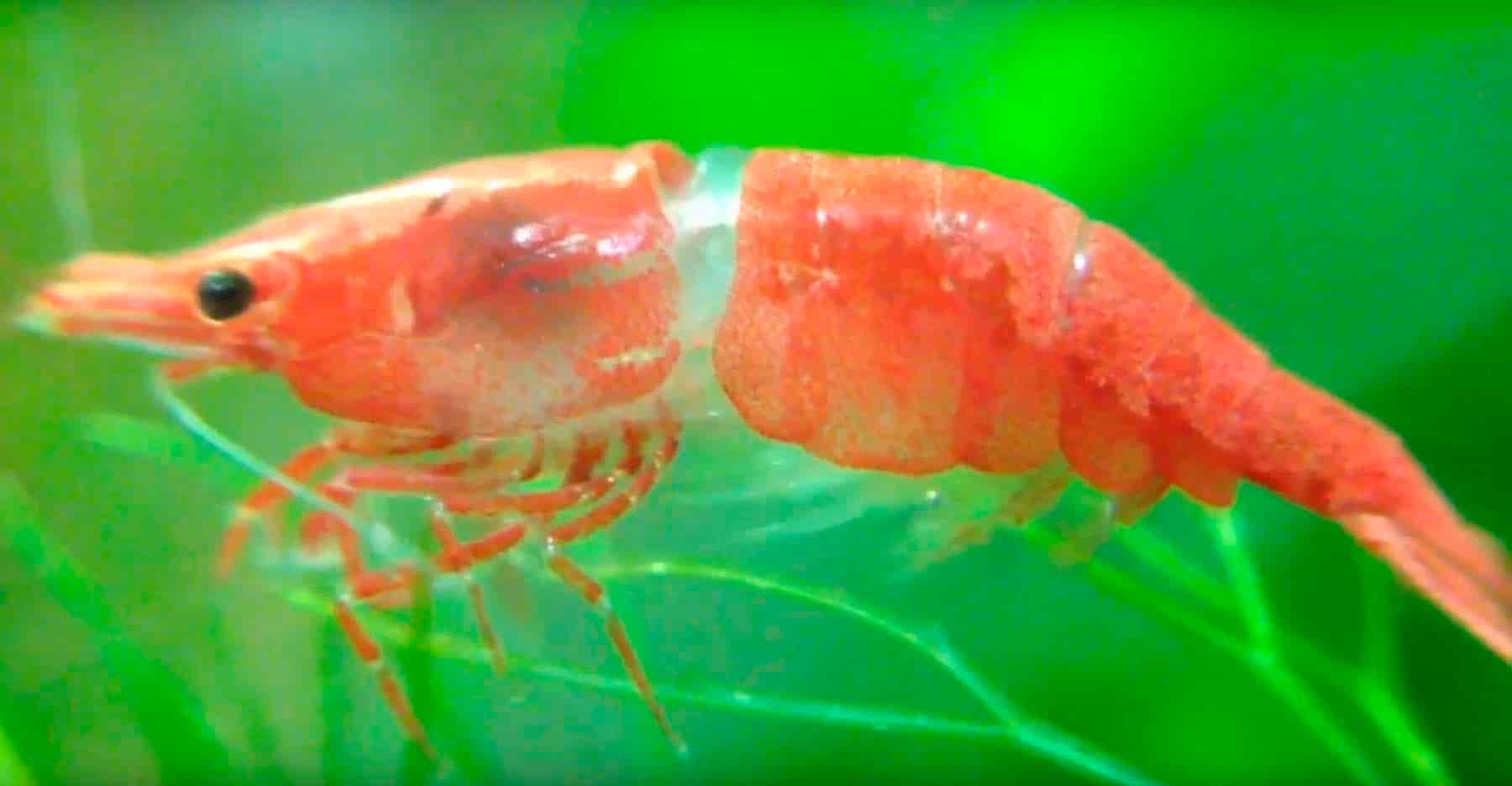
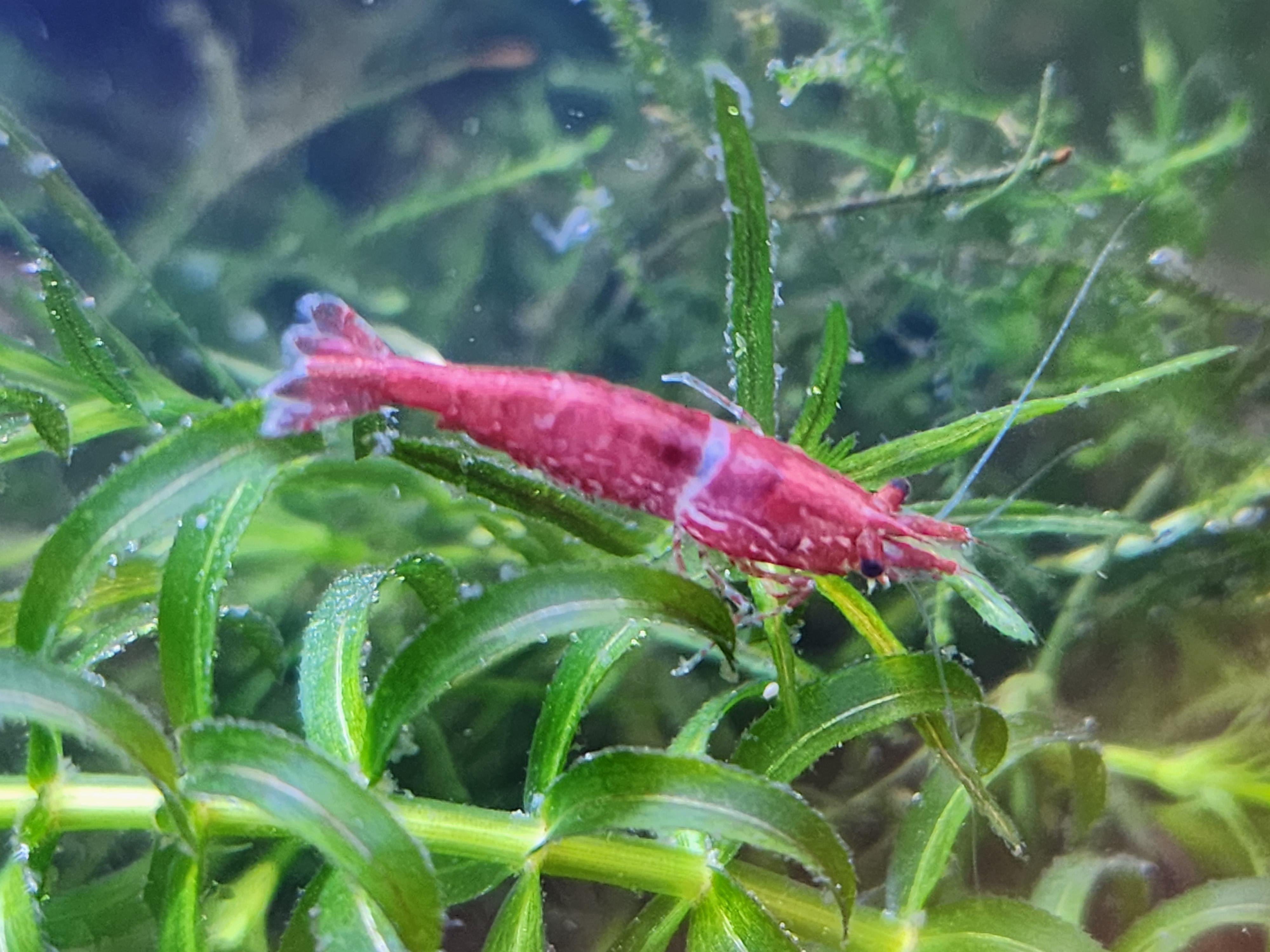
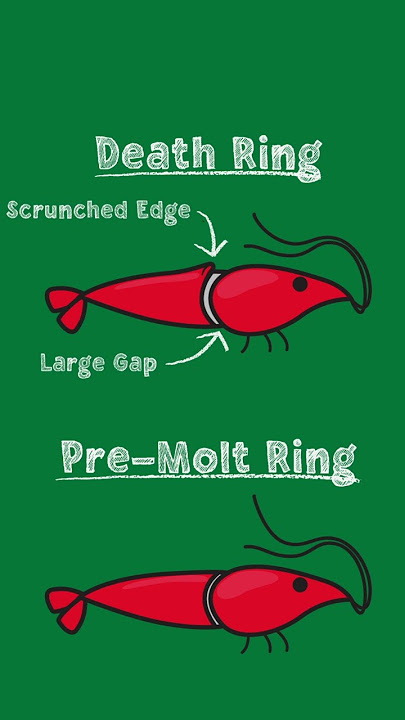
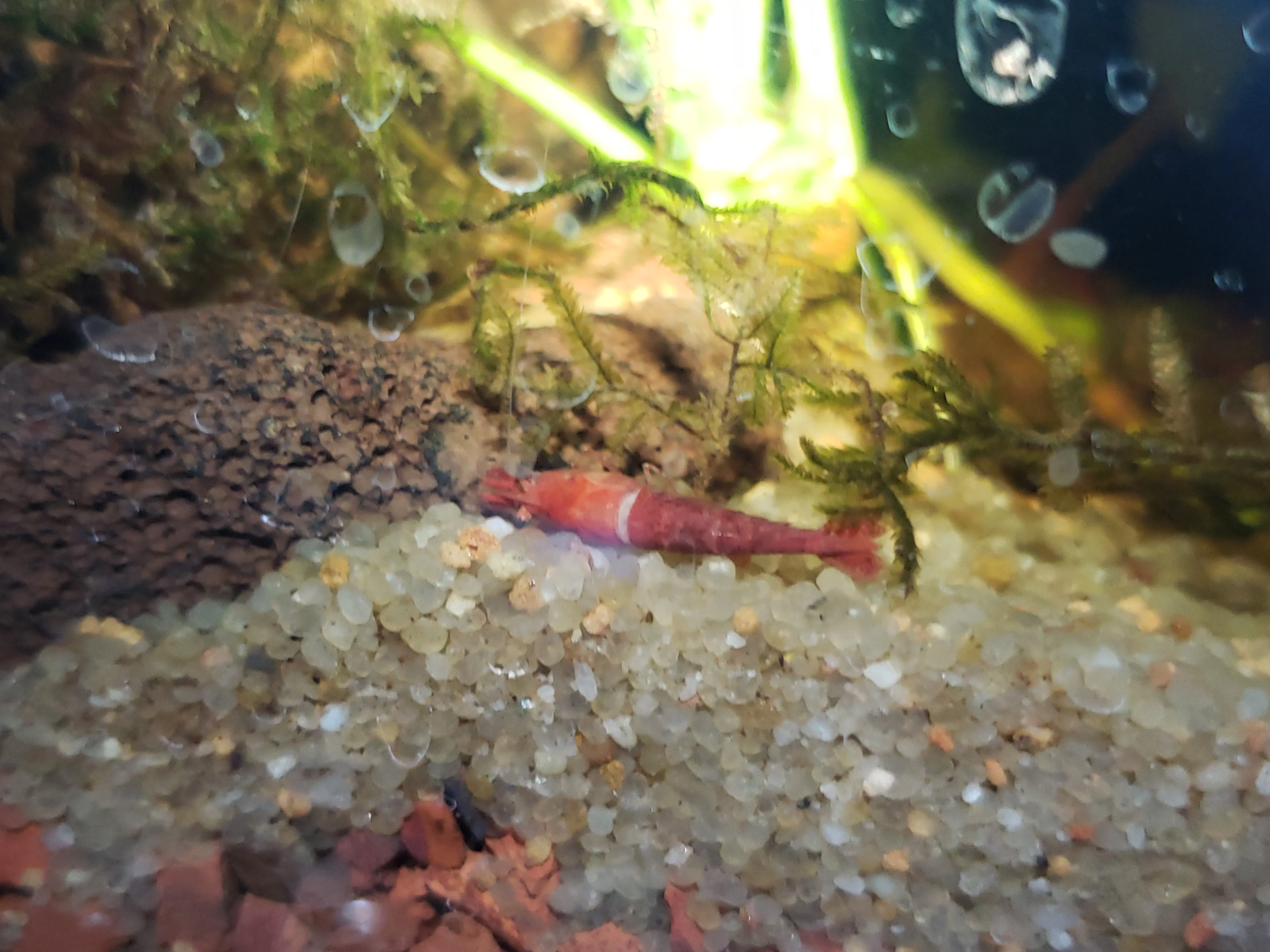
White Ring of Death
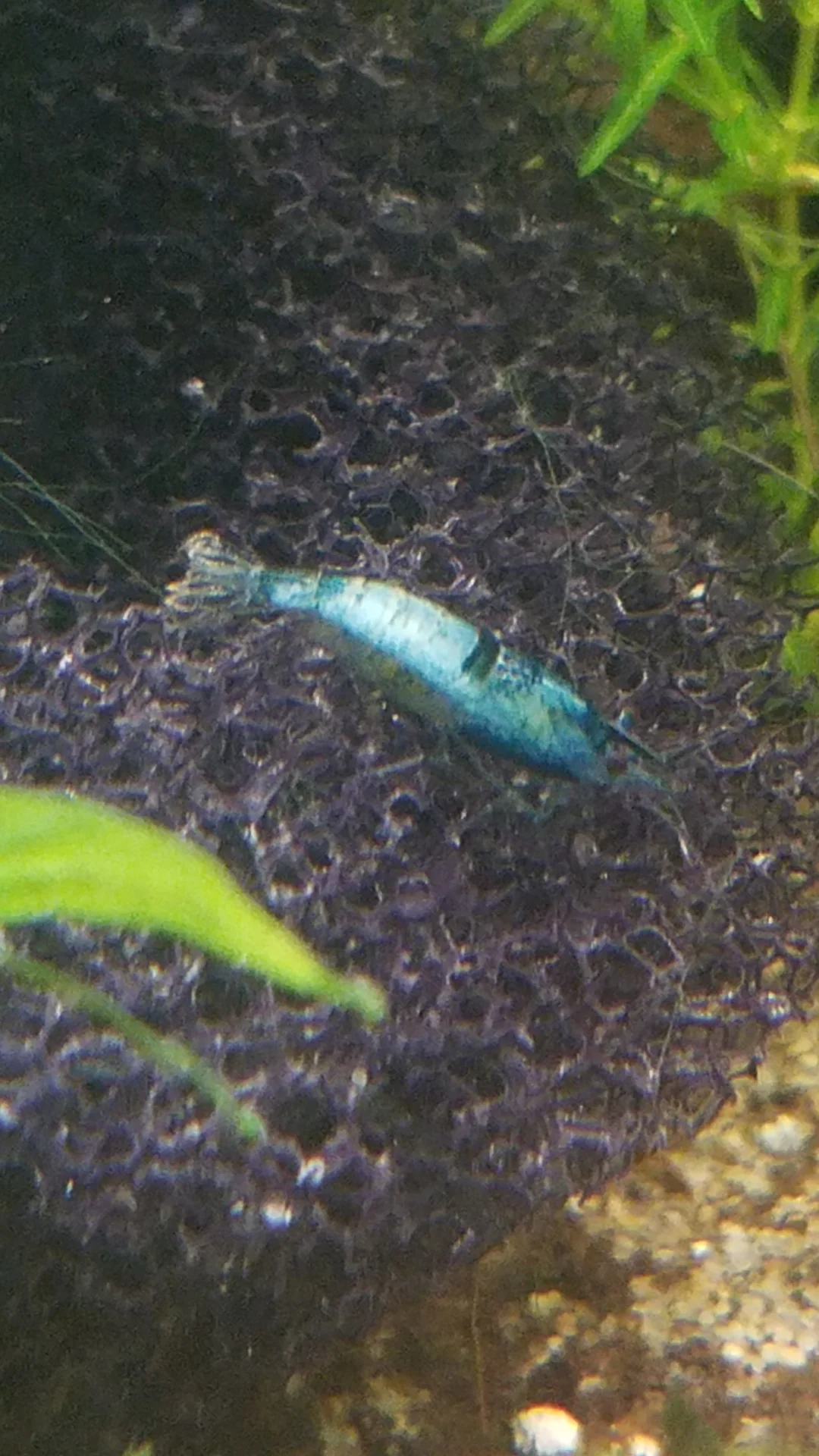
A fatal molting failure characterized by a clear white band around the mid-section.
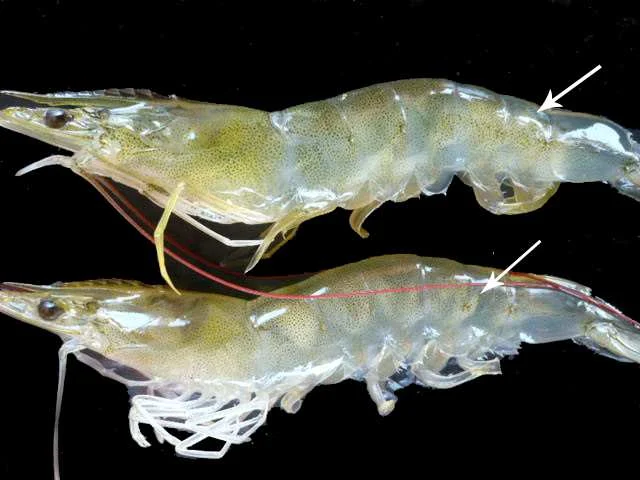
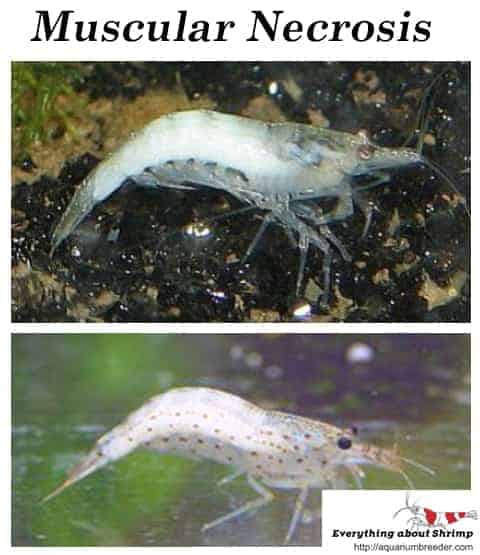
Muscular Necrosis
White, "cooked-looking" muscle tissue starting from the tail.
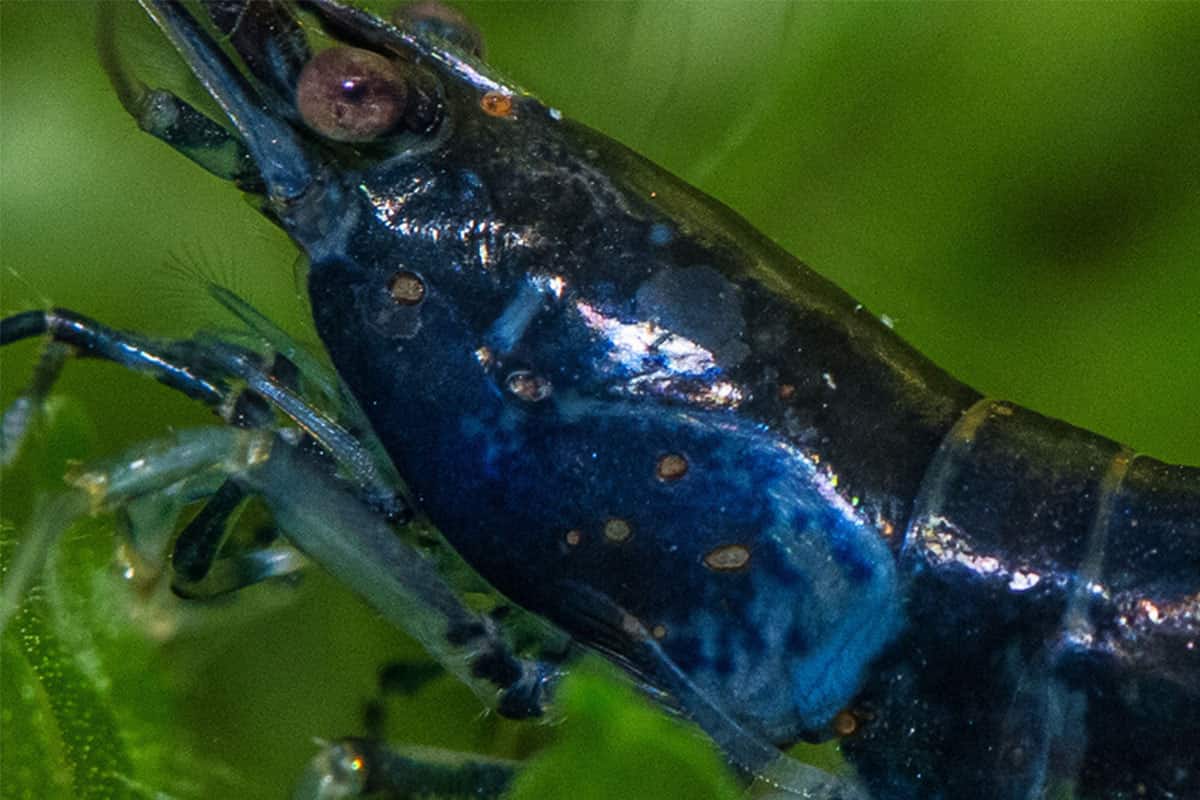
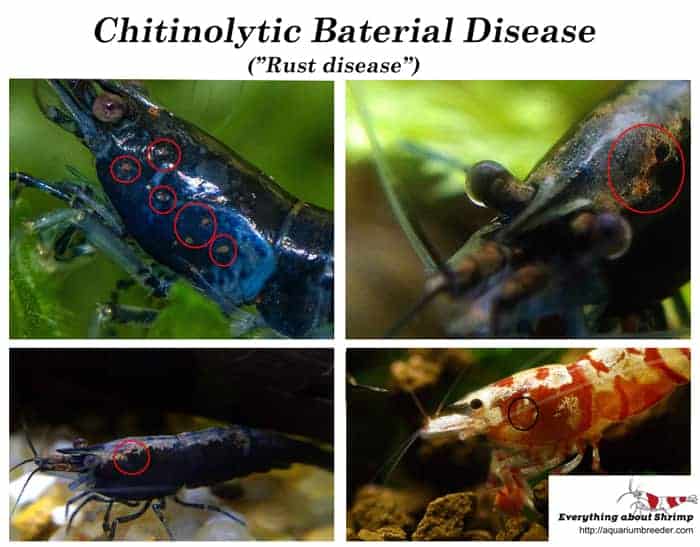
Rust Disease / Shell Disease
Bacterial infection causing brown, rusty-looking pits and holes in the shell.
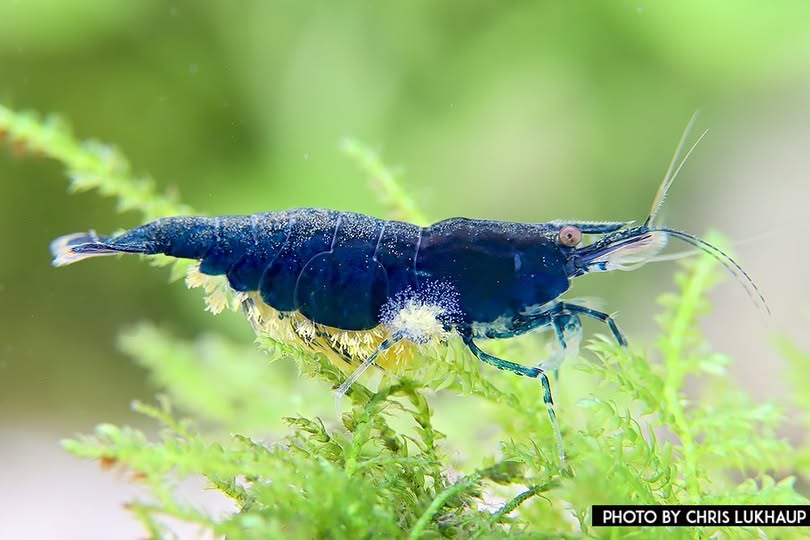
Zoothamnium
Large colonies of white/gray ciliates that can block respiration.
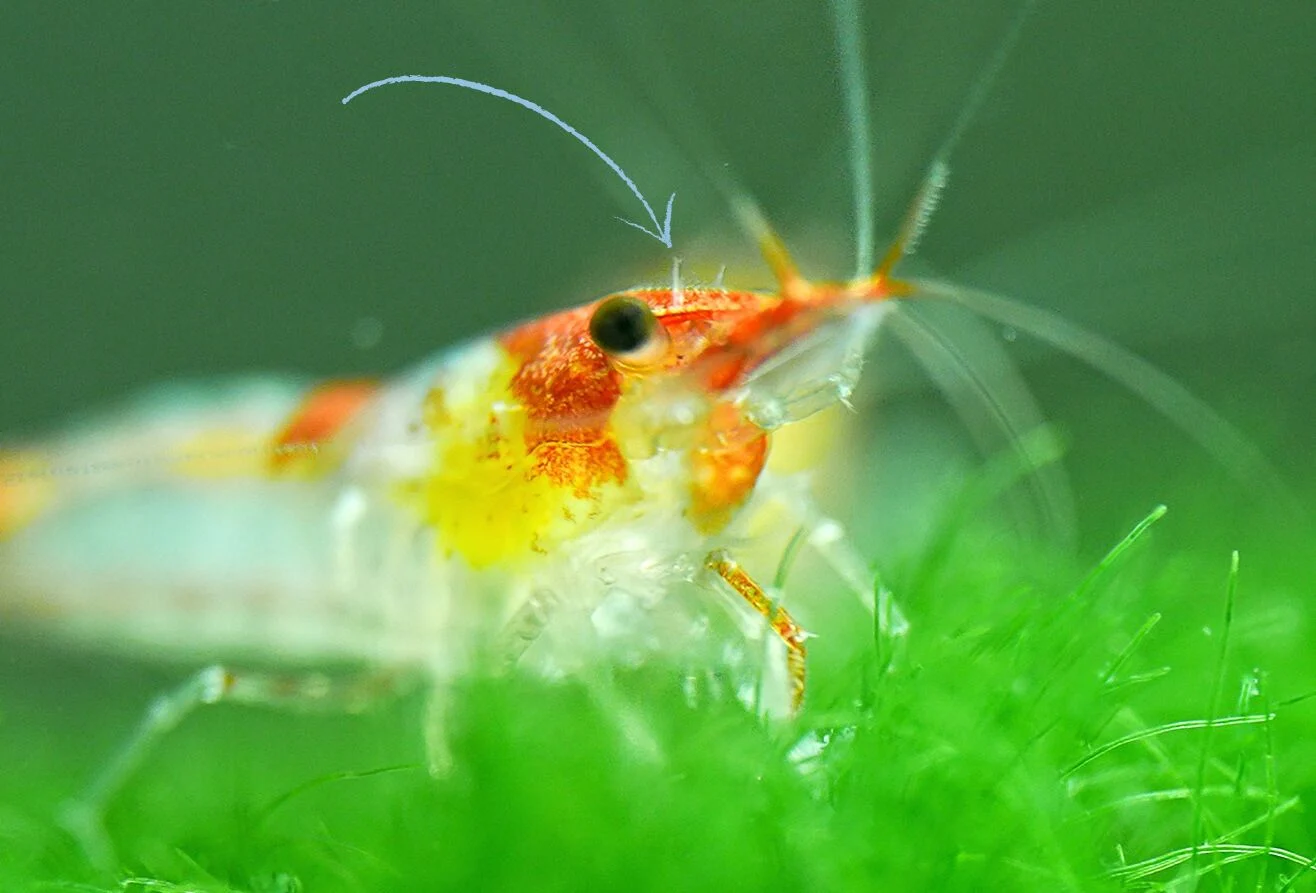
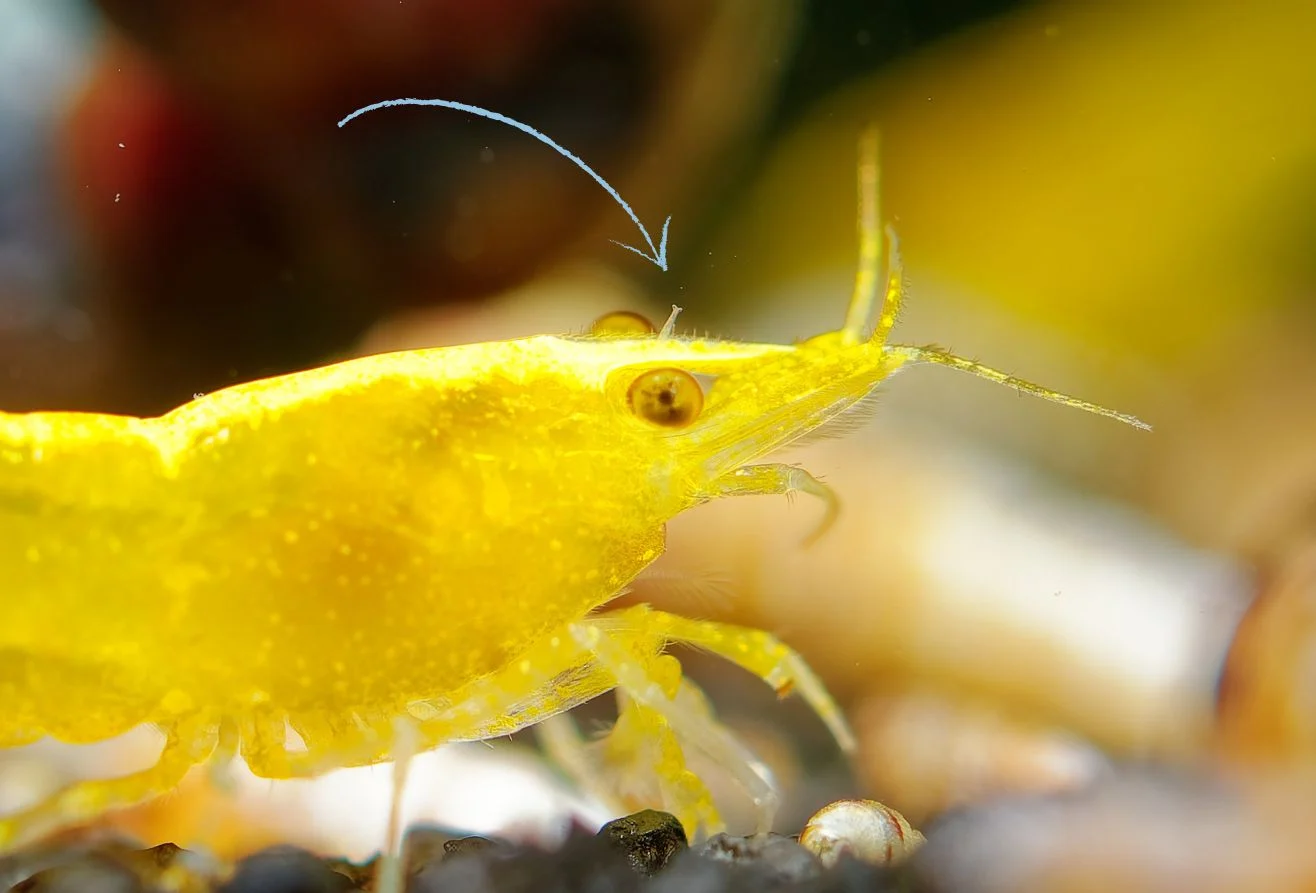
Scutariella Japonica (Nose Worms)
Small white parasitic worms found on the rostrum and gills.
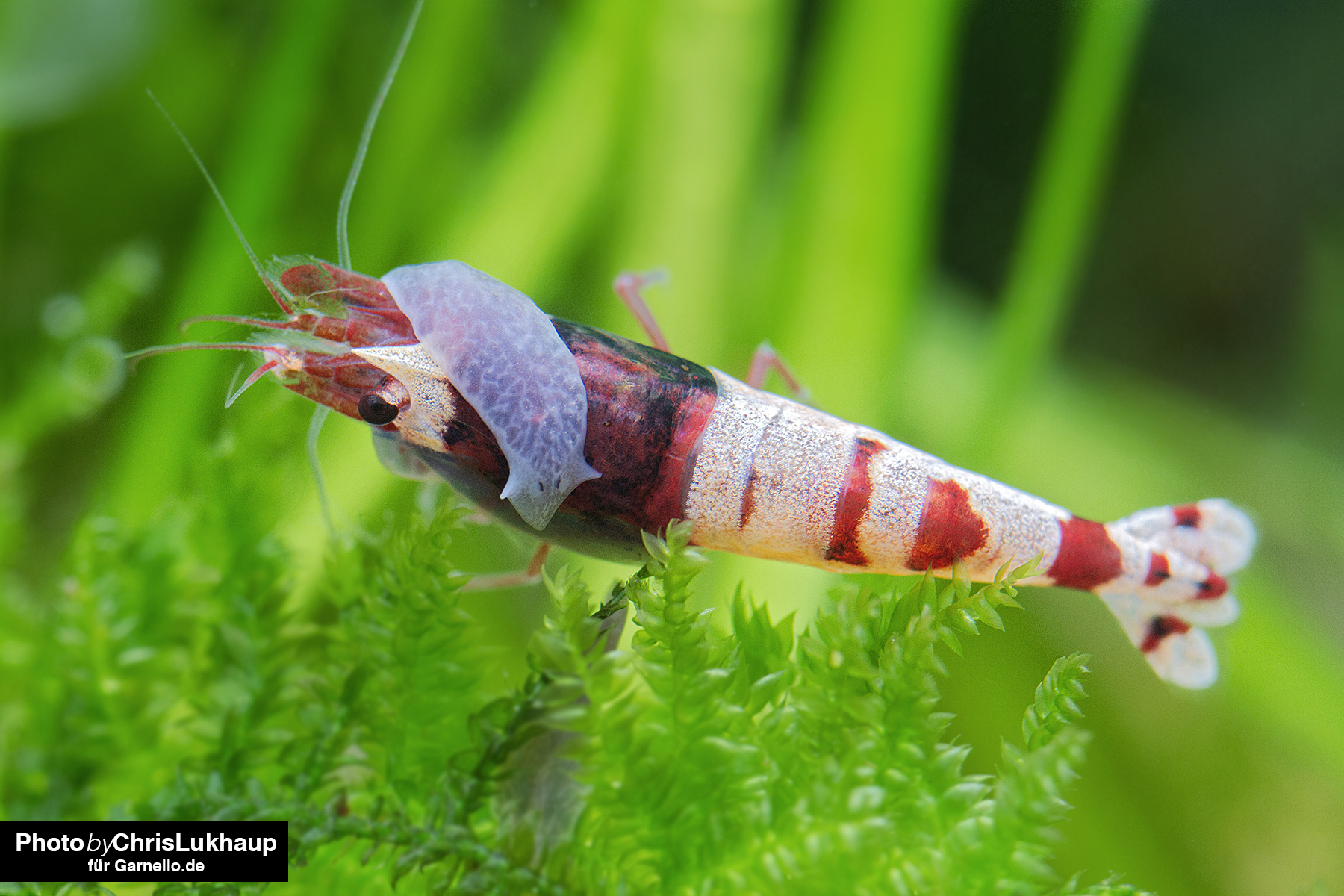
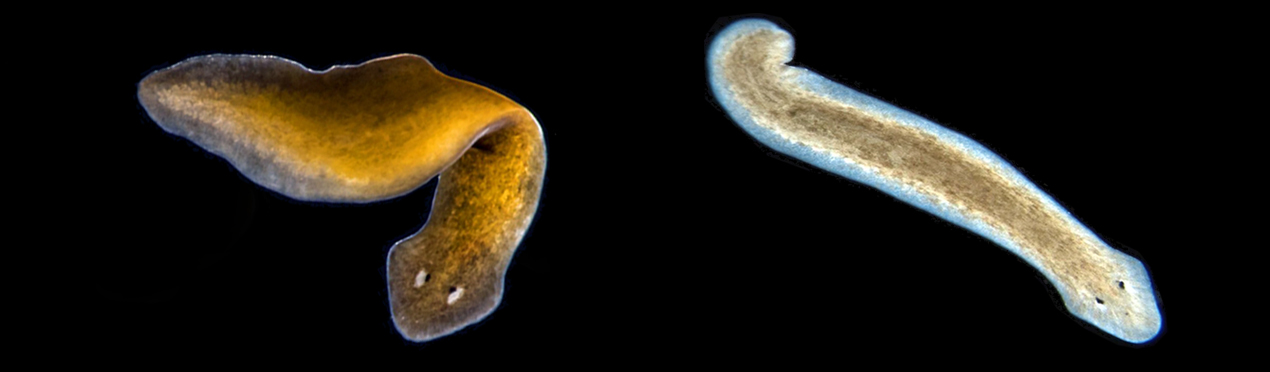
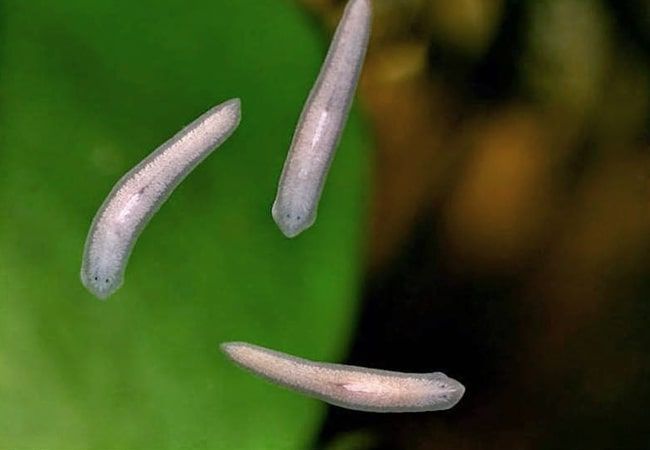
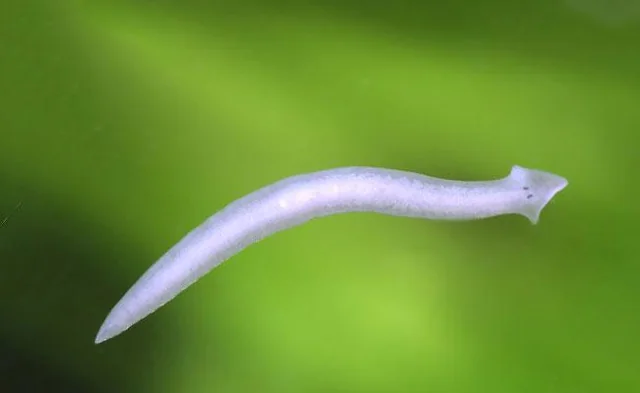
Planaria
Arrow-headed flatworms that can hunt shrimp and snails.